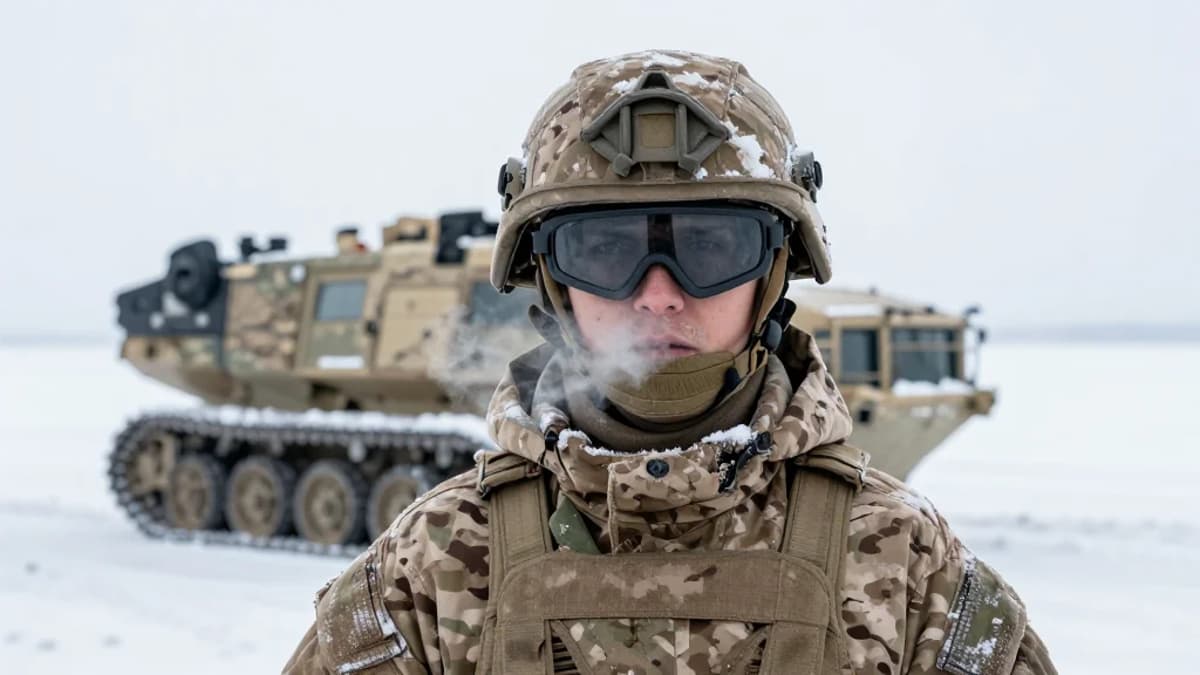
Why It Matters
Ignoring the physical realities of the Arctic undermines force readiness and inflates defense spending, while realistic planning safeguards mission success and personnel safety.
Key Takeaways
- •Cold degrades equipment and human performance in Arctic operations
- •Current U.S. Arctic strategies overemphasize presence, underplay constraints
- •Rotational deployments offer realistic force posture versus permanent bases
- •Doctrine lacks integrated physiological metrics for extreme cold missions
- •Firsthand winter experience essential for credible Arctic security analysis
Pulse Analysis
The Arctic’s unforgiving climate forces a rethink of traditional power‑projection models. While great‑power competition drives interest in the region, the physics of –40°F air, perpetual darkness, and limited infrastructure impose hard limits on equipment reliability and troop endurance. Modernizing cold‑weather gear, developing autonomous logistics, and investing in resilient power sources are essential, yet they must be paired with a realistic appraisal of how long forces can safely operate before performance degrades.
Strategic documents from the Department of Defense and individual services have begun to acknowledge these challenges, but they often stop at generic training recommendations. Integrating physiological data—such as core‑temperature thresholds, cognitive fatigue curves, and recovery timelines—into readiness metrics would allow planners to quantify the true cost of sustained Arctic missions. This data‑driven approach can inform decisions on base locations, rotational cycles, and the balance between air, sea, and land assets, ensuring that operational goals align with human and material limits.
Adopting a rotational presence model, as the author suggests, offers a pragmatic path forward. Short, repeatable deployments enable forces to build expertise, test equipment, and maintain a visible deterrent without the prohibitive expense of permanent installations. Moreover, encouraging scholars and policymakers to gain extended winter exposure will enrich the discourse with grounded insights, reducing the gap between theoretical ambition and operational feasibility. In an era where the Arctic is a strategic frontier, grounding strategy in environmental reality is not just prudent—it is essential for credible, cost‑effective defense planning.
Arctic Hot Takes Need a Cold Reality Check
0
Comments
Want to join the conversation?
Loading comments...