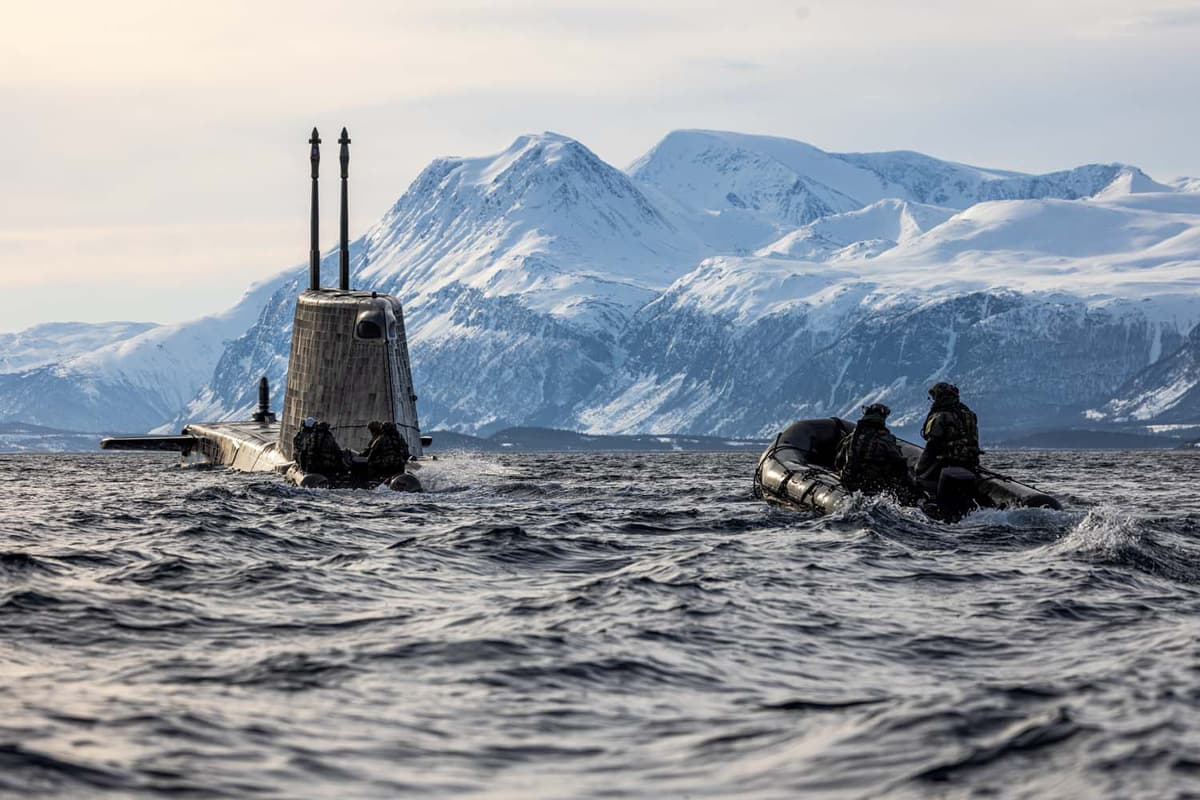
Atlantic Council Warns UK Risks High North Overstretch
Key Takeaways
- •UK may lack capacity to lead JEF while meeting NATO reinforcement commitments
- •Limited air defence and maritime assets constrain rapid response to Arctic threats
- •Russia maintains strategic Arctic assets, sustaining high‑north security challenges
- •Atlantic Bastion concept unclear on integration with High North NATO tasks
- •Experts urge treating undersea infrastructure protection as a military priority
Pulse Analysis
The United Kingdom’s ambition to act as the de‑facto leader of the Joint Expeditionary Force in the High North has run into a stark reality check. Defence planners are grappling with a limited pool of air‑defence systems and maritime platforms, which already slowed the response to drone incursions on British bases. This shortfall raises doubts about the British Army’s ability to deploy a full division on short notice, a prerequisite for credible leadership in the Arctic theater and for meeting NATO’s broader war‑plan obligations.
Russia’s Arctic posture adds urgency to the capacity debate. Despite setbacks on the ground in Ukraine, Moscow continues to invest in naval, air and nuclear assets north of the Kola Peninsula, exemplified by the recent patrol of the Knyaz Vladimir ballistic‑missile submarine. Such moves signal a long‑term commitment to the region, meaning that any Allied shortfall could tilt the strategic balance. The High North’s harsh environment and the growing density of under‑sea cables and pipelines further complicate deterrence, demanding robust surveillance and rapid escalation‑management mechanisms.
Policy experts, including Atlantic Council’s Anna Wieslander, argue that the UK must clarify how its Atlantic Bastion concept dovetails with NATO’s Arctic Sentry and JEF operations. Prioritising under‑sea infrastructure protection as a military task rather than a regulatory one, and establishing clear escalation‑management frameworks, would enhance allied cohesion. Aligning JEF’s first‑mover role with NATO command structures could prevent parallel initiatives and improve signalling, ensuring that the alliance can sustain a credible, continuous deterrent posture in the High North.
Atlantic Council warns UK risks High North overstretch
Comments
Want to join the conversation?