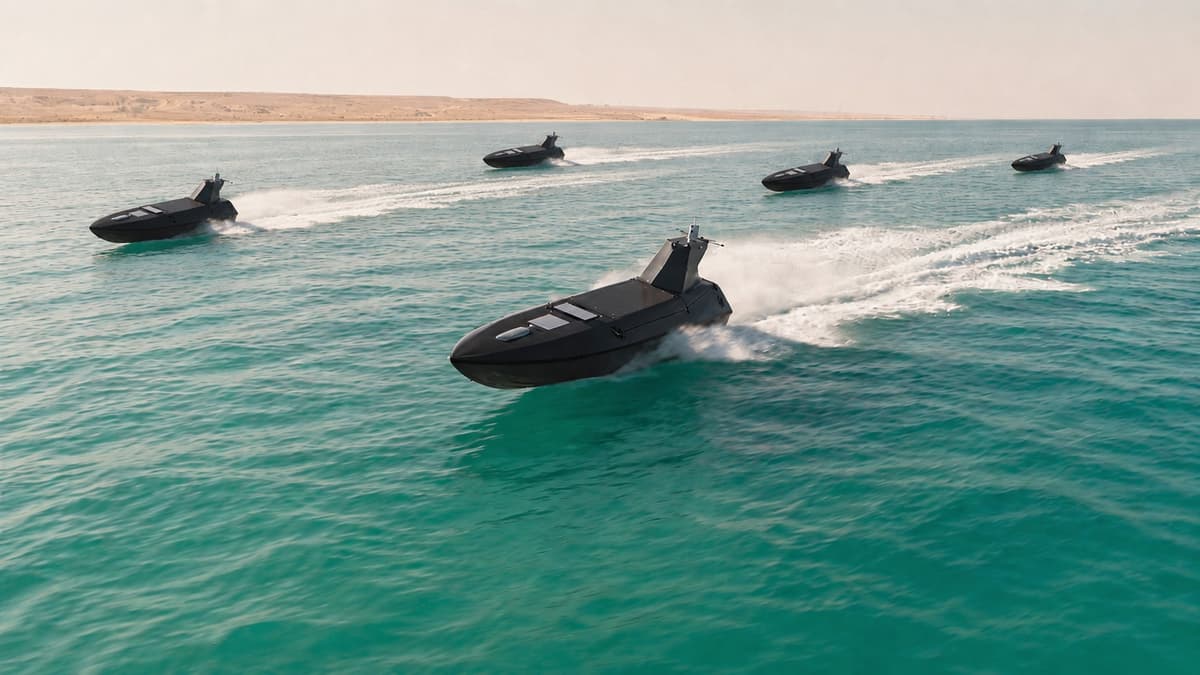
Autonomous Ships ‘Future’ of the UK Naval Presence in Gulf
Key Takeaways
- •UK plans autonomous ships to replace traditional Gulf mine‑hunters
- •RFA Lyme Bay serves as prototype for uncrewed naval systems
- •Hybrid Navy concept blends AI drones with manned warships
- •Autonomous shift could lower costs and boost regional surveillance
Pulse Analysis
The United Kingdom has long maintained a forward‑deployed naval footprint in the Persian Gulf to safeguard shipping lanes, counter piracy, and enforce sanctions. Recent testimony in the House of Lords reveals a strategic pivot: rather than expanding traditional mine‑hunters and frigates, the Ministry of Defence is betting on autonomous and uncrewed platforms to fulfil those roles. This shift reflects the growing complexity of maritime traffic, the rise of illicit smuggling routes, and the need for persistent, low‑cost surveillance in a region where geopolitical tensions remain high.
At the heart of the new approach is the Royal Fleet Auxiliary vessel RFA Lyme Bay, which is being equipped with a suite of surface, aerial and underwater drones capable of autonomous navigation, threat detection and mine neutralisation. The First Sea Lord’s ‘hybrid Navy’ concept blends manned warships with AI‑driven systems, promising faster decision cycles and reduced crew risk. Advances in sensor fusion, machine‑learning analytics and secure communications allow these unmanned assets to operate in swarms, delivering continuous coverage without the logistical footprint of a full‑scale ship crew.
Adopting autonomous ships could reshape UK defence budgeting, freeing capital for next‑generation frigates while maintaining a credible Gulf presence. It also opens procurement opportunities for British defence firms specializing in robotics, cyber‑security and maritime AI. However, reliance on uncrewed platforms raises questions about rules of engagement, interoperability with allied navies, and the legal framework governing autonomous weapon systems. If the UK can successfully integrate these technologies, it may set a precedent for other NATO members seeking cost‑effective ways to project power in contested waterways.
Autonomous ships ‘future’ of the UK naval presence in Gulf
Comments
Want to join the conversation?