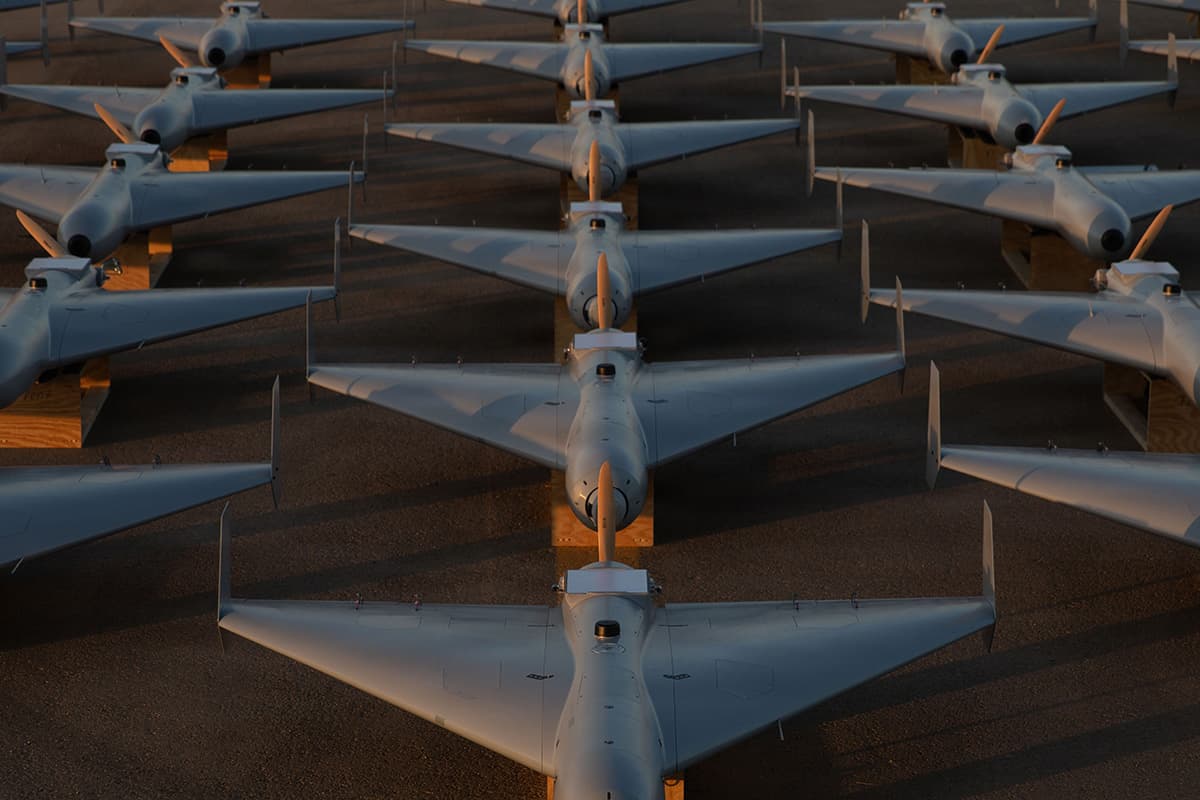
Autonomous Weapons an ‘Oppenheimer Moment’, Peer Warns
Key Takeaways
- •Autonomous weapons likened to nuclear arms in strategic impact
- •They are cheap, scalable, and easier to proliferate than nukes
- •Lack of human control raises accountability and legal gaps
- •AI compresses decision‑making, shortening response cycles in combat
- •International regulation remains uncertain, prompting urgent policy debate
Pulse Analysis
The House of Lords debate on June 5, 2026, highlighted a growing consensus that autonomous weapons could become the next ‘Oppenheimer moment’ for defence. Just as the atomic bomb reshaped global security calculations in the 1940s, AI‑driven lethal systems promise to alter the calculus of war by removing human judgment from the kill chain. Baroness Helic warned that the technology is already embedded in surveillance platforms and decision‑support tools, and fully autonomous weapons are moving from prototype to operational status faster than any prior weapons class. The speed of development also outpaces current diplomatic frameworks.
What sets autonomous weapons apart from nuclear arms is their cost and accessibility. A single AI‑enabled drone can be produced for a fraction of the price of a strategic missile, and the software can be replicated across thousands of platforms with minimal marginal expense. This low barrier to entry fuels fears of rapid, uncontrolled proliferation, especially among non‑state actors. Consequently, governments are under pressure to codify ‘meaningful human control’ standards and to negotiate new arms‑control treaties that address the unique challenges of machine‑driven lethality. Failure to act now could lock in a destabilising status quo.
Beyond strategic stability, autonomous weapons raise profound ethical and legal dilemmas. Existing international humanitarian law assumes a human commander who can exercise judgment, restraint, and moral responsibility; delegating lethal decisions to algorithms erodes that premise and creates accountability gaps when civilian casualties occur. Scholars argue that without clear attribution mechanisms, liability may shift to manufacturers or programmers, complicating redress for victims. As AI continues to compress decision‑making cycles, policymakers must balance innovation with safeguards to prevent an arms race that could destabilise global peace. International consensus on normative standards will be essential for long‑term stability.
Autonomous weapons an ‘Oppenheimer moment’, peer warns
Comments
Want to join the conversation?