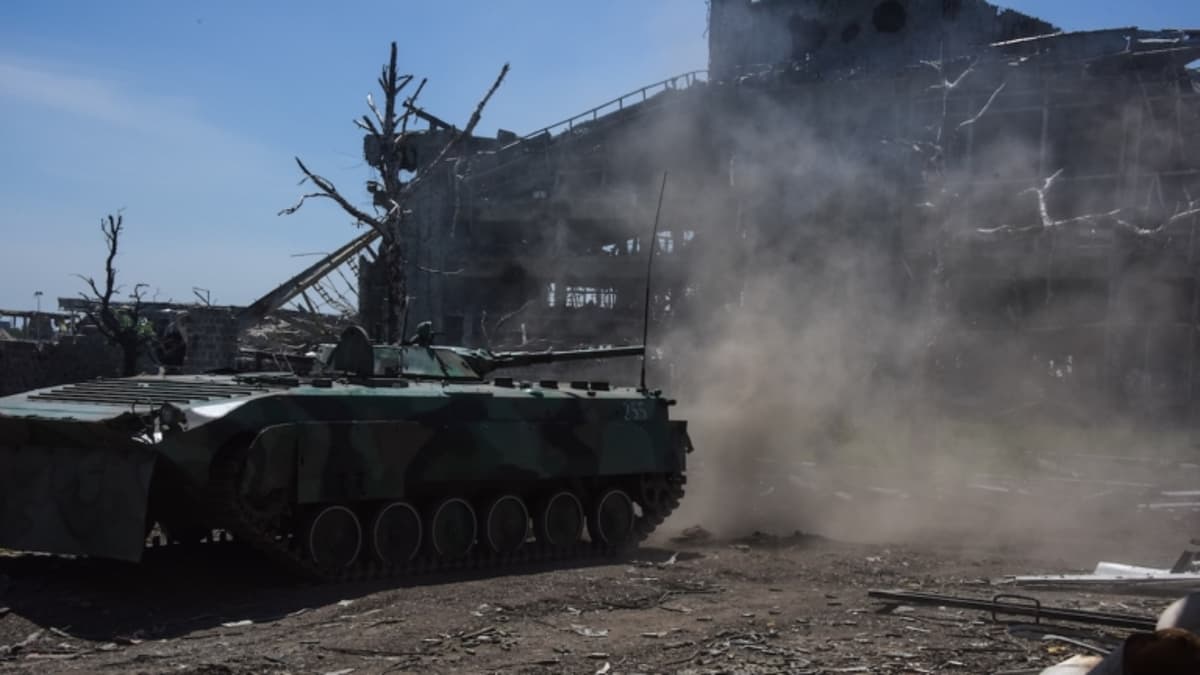
Back to Basics: What Russia’s Donbas Campaign Reveals About the Character of Modern War
Key Takeaways
- •Territorial control equates to political legitimacy in modern wars
- •Land forces must seize and hold ground to translate firepower into strategy
- •Coherent, sequenced campaigns amplify tactical wins into strategic advantage
- •Destruction of key assets can create irreversible strategic gains
Pulse Analysis
The Donbas case study revives a debate that has simmered since the rise of autonomous weapons: can technology replace boots on the ground? Fox’s dissection of three brutal sieges demonstrates that even with advanced drones and cyber tools, the decisive factor was still the ability to physically occupy and defend terrain. By anchoring each battle to a clear strategic objective, Russian commanders turned isolated victories into a cumulative pressure that forced Kyiv to the negotiating table. This lesson resonates for planners eyeing the 2026 Iran conflict, where mountainous terrain and urban enclaves will likely blunt pure air‑power approaches.
Beyond the tactical narrative, the article highlights a psychological dimension often overlooked in high‑tech doctrines. Holding ground projects sovereign authority, bolsters morale, and erodes the opponent’s legitimacy. The destruction of Donetsk Airport, while morally repugnant, eliminated a symbolic and logistical node, making any Ukrainian counter‑offensive costly and futile. Such calculated devastation underscores that strategic gain sometimes hinges on denying the enemy critical infrastructure, a concept that modern joint forces must integrate without losing sight of humanitarian constraints.
The contrasting CSIS assessment serves as a cautionary counterpoint: once the Russian campaign lost its coherent sequencing, it devolved into a slow‑moving attrition grind, advancing merely 15‑70 meters per day while incurring over 1.2 million casualties—more than any post‑World‑War II power. This stark outcome warns that without disciplined campaign design, even the most powerful militaries can become exhausted forces. For U.S. defense strategists, the takeaway is clear: invest in adaptable, well‑coordinated land units, embed them within a multidomain framework, and ensure each operation feeds into a larger, purpose‑driven campaign.
Back to Basics: What Russia’s Donbas Campaign Reveals About the Character of Modern War
Comments
Want to join the conversation?