Battle for the Strait of Hormuz Continues: US Shot Down 4 Iranian Attack Drones; Iran Fired 7 Ballistic Missiles Toward Kuwait and Bahrain; US Struck Iranian Radar Sites

Key Takeaways
- •CENTCOM downed four Iranian attack drones over the Strait of Hormuz.
- •Six of seven Iranian ballistic missiles intercepted; one missed target.
- •US struck Iranian radar sites on Qeshm Island and Goruk.
- •US approved $1.98 billion counter‑drone systems sale to Kuwait.
- •Escalation threatens oil flow through Hormuz, affecting global markets.
Pulse Analysis
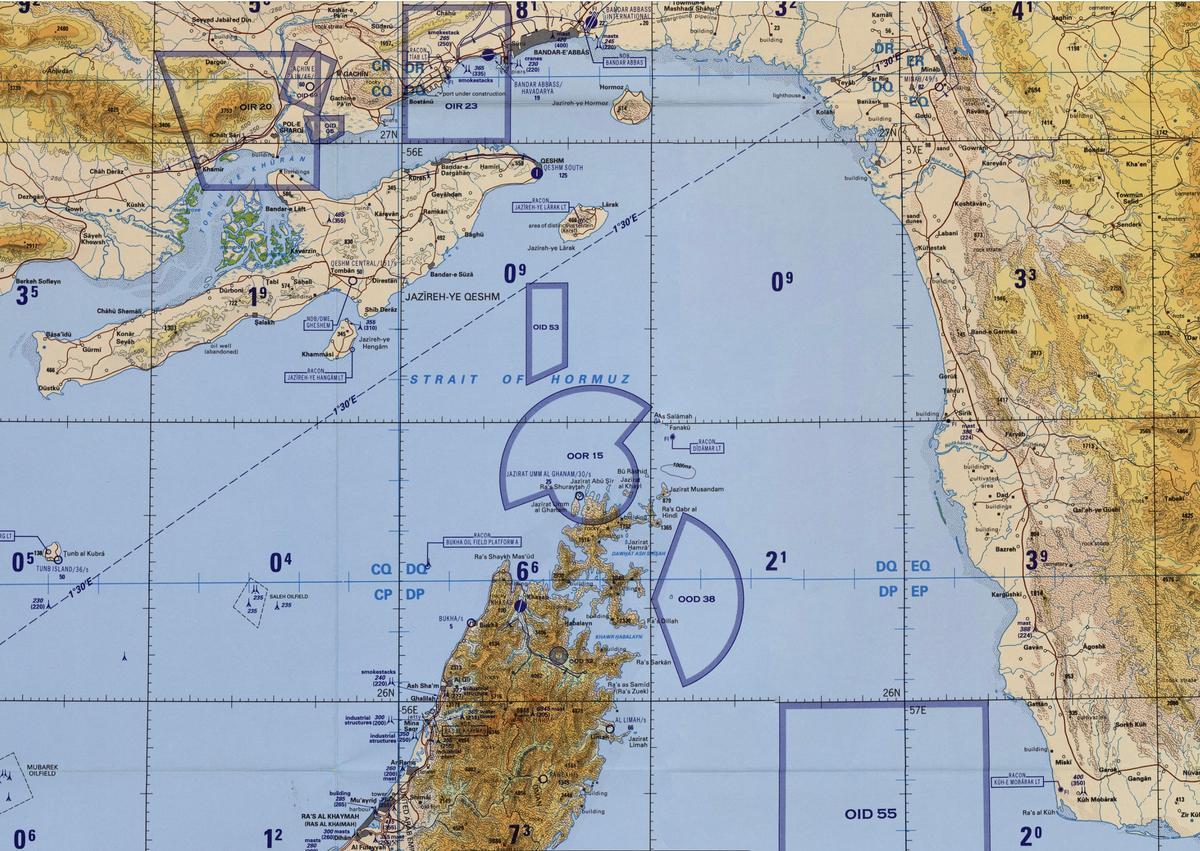
The latest flare‑up in the Gulf underscores how quickly the fragile cease‑fire between Tehran and Washington can dissolve. In the early hours of June 6, U.S. Central Command reported shooting down four one‑way attack drones that were heading toward the Strait of Hormuz, a chokepoint through which roughly 20 percent of global oil passes. Simultaneously, Iranian forces launched a salvo of seven short‑range ballistic missiles aimed at U.S.-linked sites in Kuwait and Bahrain; six were intercepted by allied air defenses. The U.S. then hit Iranian coastal radar installations on Qeshm Island and Goruk to blunt further targeting.
The encounter has immediate commercial ramifications. Any perception of instability in the Hormuz corridor can trigger price spikes in crude, as traders price in the risk of disrupted shipments. Washington’s swift approval of a $1.98 billion foreign military sale to Kuwait—featuring Anduril’s Roadrunner and Anvil counter‑UAS platforms—signals a hardening of defensive postures among Gulf allies. The deal not only bolsters Kuwait’s ability to neutralize drones but also deepens U.S. defense industry ties in a region where procurement decisions are increasingly scrutinized for geopolitical impact.
Looking ahead, the pattern of tit‑for‑tat strikes suggests a volatile equilibrium rather than a durable de‑escalation. Iran’s claim of targeting U.S. bases, coupled with its continued missile launches, raises the specter of a broader confrontation that could draw in other regional powers. Policymakers in Washington are likely to weigh additional naval deployments and expanded interdiction operations, while diplomatic channels remain essential to prevent a slide into open conflict. Stakeholders in energy markets and defense supply chains should monitor both the kinetic developments and the evolving arms‑sale landscape for signs of further escalation.
Battle for the Strait of Hormuz Continues: US Shot Down 4 Iranian Attack Drones; Iran Fired 7 Ballistic Missiles Toward Kuwait and Bahrain; US Struck Iranian Radar Sites
Comments
Want to join the conversation?