Beyond a Pacific Defense Pact 4: Blueprint for an Indo-Pacific Nuclear Alliance
Key Takeaways
- •Sovereign nuclear deterrents proposed for Australia, Japan, South Korea
- •Distributed deterrence would complicate adversary planning across Indo‑Pacific
- •Forward deployment of SLBM, SLCM, and dual‑capable platforms suggested
- •Philippines may need to revisit its nuclear‑free stance
- •Alliance aims to reduce U.S. burden while enhancing regional stability
Pulse Analysis
The Indo‑Pacific has become the premier arena for great‑power rivalry, with China expanding its nuclear arsenal, North Korea accelerating missile development, and Russia projecting power from its Pacific bases. Traditional U.S. extended deterrence, which once sufficed in Europe, now faces logistical and credibility challenges across the region’s vast maritime distances. Analysts argue that a more distributed nuclear architecture—one that empowers regional allies with sovereign capabilities—could restore strategic balance and deter escalation before it starts.
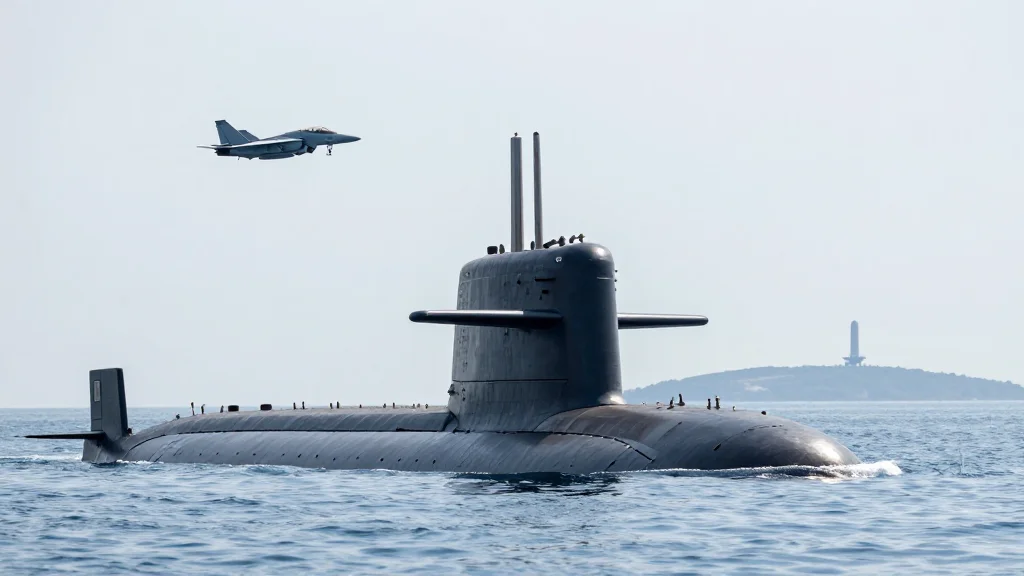
A proposed alliance would grant Australia, Japan and South Korea independent nuclear forces, supported by forward‑deployed assets such as Ohio‑class SSBNs, Virginia‑class attack submarines, and dual‑capable aircraft like the F‑35A. Land‑based, mobile ICBM launchers and long‑range stand‑off cruise missiles would further diversify the deterrent mix. By embedding these platforms across allied territories, the network becomes harder to neutralize, ensuring survivable second‑strike options and more credible signaling during crises. The model draws on NATO’s nuclear‑sharing experience, where the United Kingdom and France contribute sovereign arsenals while integrating with collective defense.
Beyond force posture, the concept carries significant policy implications. Reducing reliance on a single U.S. guarantor eases American force‑allocation pressures and may encourage the Philippines to reassess its 2021 nuclear‑free treaty, aligning more closely with regional security frameworks. Ultimately, a multi‑nation nuclear alliance could deter aggression by presenting multiple decision‑makers capable of rapid retaliation, thereby enhancing stability and preserving the Indo‑Pacific’s economic and political order.
Beyond a Pacific Defense Pact 4: Blueprint for an Indo-Pacific Nuclear Alliance
Comments
Want to join the conversation?