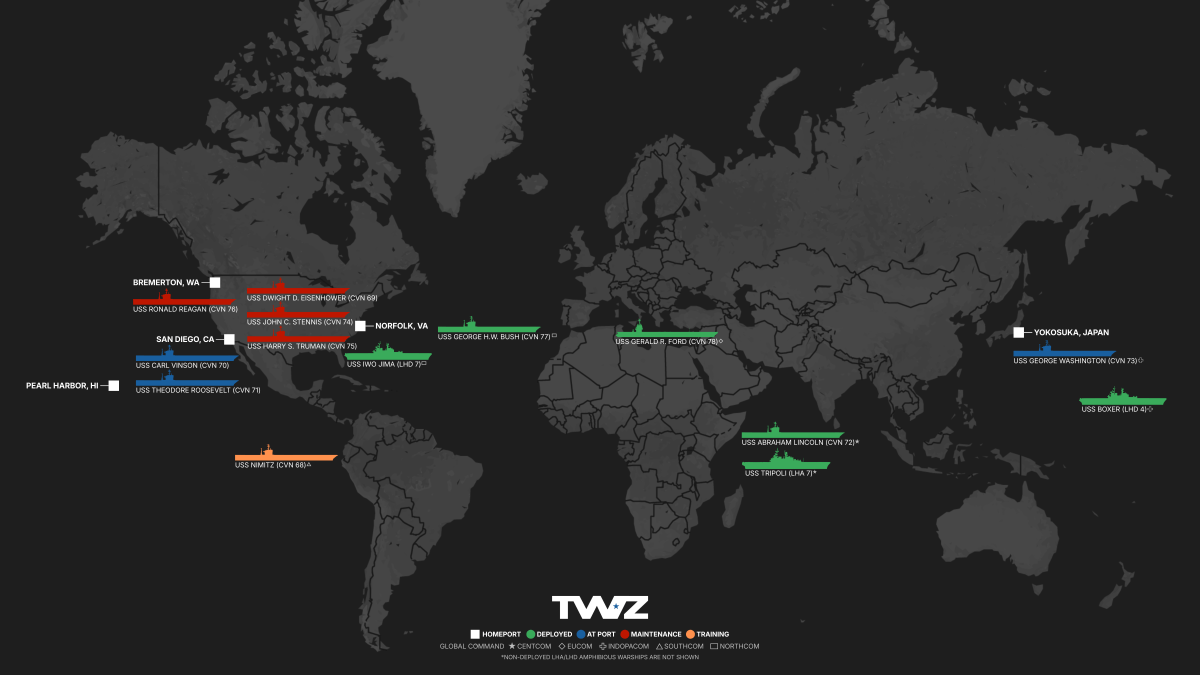
Key Takeaways
- •Trump vows blockades in Strait of Hormuz
- •CENTCOM cleared mines, asserting navigation rights
- •George H.W. Bush carrier group entered Mediterranean via Gibraltar
- •Gerald R. Ford CSG operating southwest of Cyprus
- •Boxer ARG moves toward Middle East with 11th MEU
Pulse Analysis
The announcement of a potential U.S. blockade of the Strait of Hormuz marks a dramatic escalation in a waterway that handles roughly a third of the world’s petroleum trade. By invoking blockades, the Trump administration is signaling a willingness to use hard power to enforce navigation freedoms, a stance that could prompt retaliatory measures from Iran and its allies. Shipping companies are already rerouting vessels, which adds cost and time to supply chains, while insurers may raise premiums for voyages near the Persian Gulf. This development underscores the strategic importance of the strait and the broader geopolitical chessboard of energy security.
Concurrently, the U.S. Navy’s force posture is shifting to capitalize on a temporary ceasefire in the region. The George H.W. Bush carrier strike group’s recent transit through the Strait of Gibraltar positions a modern carrier and its escorts closer to the European theater, enhancing rapid response capabilities. The Gerald R. Ford carrier, the Navy’s newest nuclear‑powered vessel, is conducting operations southwest of Cyprus, projecting power in the eastern Mediterranean and signaling support for allies. These deployments, combined with the Boxer amphibious ready group’s westward journey toward the Middle East, illustrate a coordinated effort to rearm, resupply, and reposition assets while diplomatic channels remain open.
For stakeholders, the convergence of a declared blockade and heightened carrier activity raises several implications. Energy markets may experience volatility as traders price in potential disruptions to oil flows through Hormuz. Defense contractors could see increased demand for mine‑clearance equipment, unmanned underwater vehicles, and logistics support for forward‑deployed fleets. Finally, policymakers must balance deterrence with diplomatic outreach to prevent a broader conflict that could destabilize global trade. Monitoring the evolving naval movements and diplomatic talks will be critical for businesses and governments alike.
Carrier Tracker As of April 12, 2026
Comments
Want to join the conversation?