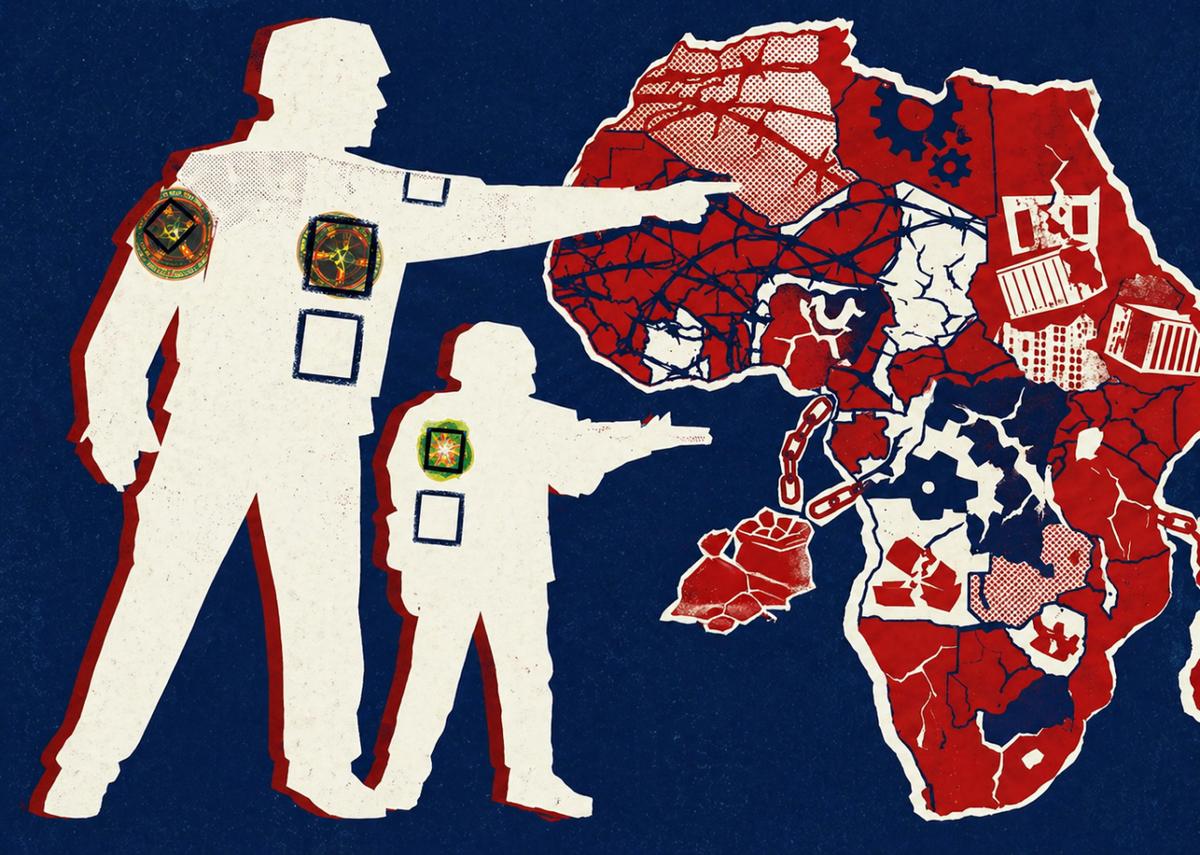
Caught in the Crossfire: African Host Nations, Russian PMCs, and the Shadow of the Ukraine War
Key Takeaways
- •Russia rebranded Wagner as Afrika Corps after Prigozhin’s death
- •African regimes depend on Russian PMCs for regime security
- •PMCs spread propaganda, commit abuses, gather host military intel
- •Ukraine’s special ops target Russian mercenaries in Mali, Sudan, Syria
- •PMCs become proxy battlefield, threatening African stability
Pulse Analysis
Russian private military companies have shifted from profit‑driven contracts to a strategic instrument of Kremlin foreign policy in Africa. After the death of Yevgeny Prigozhin, the Wagner Group was folded into the newly named Afrika Corps, signaling a coordinated effort to embed Russian influence across the continent. Unlike traditional security contractors, these PMCs receive minimal financial aid from Moscow, instead leveraging their presence to spread pro‑Kremlin narratives, conduct human‑rights violations, and collect sensitive intelligence on host militaries. This model deepens host nations’ reliance on external force for regime protection, creating a fragile security architecture vulnerable to internal coups and external manipulation.
The entanglement of African states with Russian PMCs carries profound implications for regional stability. By providing a cheap, deniable security solution, PMCs enable authoritarian leaders to suppress dissent while simultaneously exposing them to the risk of becoming pawns in great‑power competition. Their activities can push African governments toward alternative partners such as China, further eroding Western influence. Moreover, the accumulation of military intelligence and the capacity to execute violent operations give Moscow leverage to disrupt cooperation between African nations and U.S. or European initiatives, potentially stalling economic development and inviting extremist groups to exploit the security vacuum.
Ukraine’s response illustrates how the conflict has spilled over into Africa, creating a proxy battleground. Special‑operations forces have conducted targeted strikes against Russian mercenary outposts and supply chains in Mali, Sudan, and Syria, aiming to cut off revenue streams tied to gold mining and recruitment pipelines. These actions force Russia to allocate scarce resources away from its primary warfront, highlighting the strategic dilemma of defending overseas interests versus sustaining the Ukraine campaign. For policymakers in Washington, the lesson is clear: a nuanced, value‑based Africa strategy that includes counter‑PMC measures, capacity‑building for local security forces, and diplomatic engagement is essential to prevent the continent from becoming a secondary front in the Russia‑Ukraine war.
Caught in the Crossfire: African Host Nations, Russian PMCs, and the Shadow of the Ukraine War
Comments
Want to join the conversation?