Chairs of US Senate and House Armed Services Committees Statement on US Troop Withdrawal From Germany

Key Takeaways
- •Wicker and Rogers oppose pulling 5,000 troops from Germany
- •Propose relocating brigade to Eastern European host nations
- •Emphasize cost savings for U.S. taxpayers
- •Demand congressional oversight of force‑posture changes
Pulse Analysis
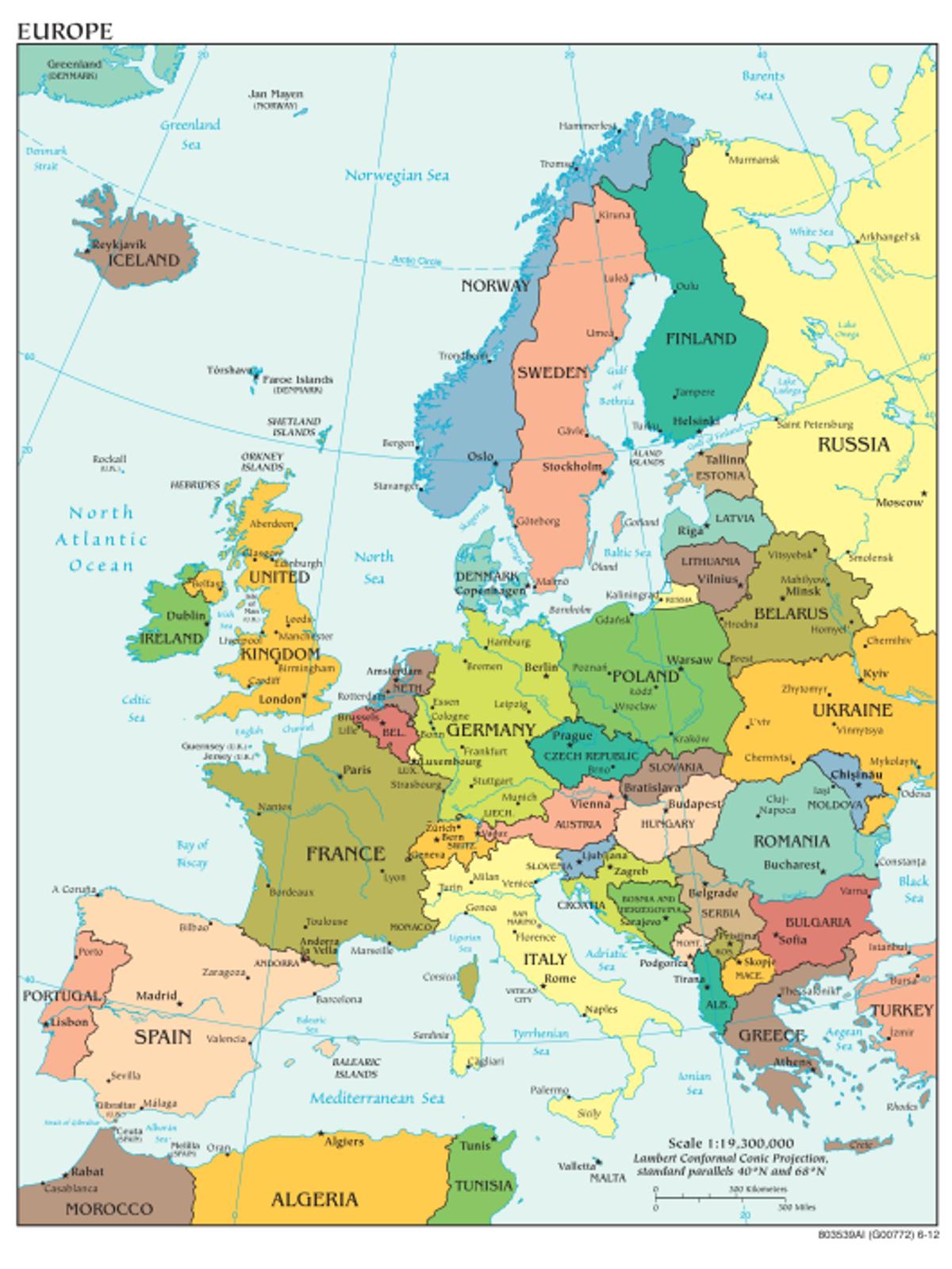
The Senate and House Armed Services chairs are sending a clear message to the Pentagon: a hasty withdrawal of the 5,000‑strong brigade from Germany could erode the credibility of the transatlantic alliance. While the Trump administration has urged allies to shoulder more of the defense burden, European partners—especially those in the east—have already deepened their infrastructure commitments, offering bases that reduce the logistical footprint for U.S. forces. By shifting troops to Poland, the Baltic states, or Romania, Washington can maintain a forward deterrent without the political fallout of a full pull‑out from the continent.
NATO’s strategic calculus hinges on a credible conventional deterrent against a potentially aggressive Russia. The statement highlights that even as several European nations aim for the 5 % of GDP defense spending target, building the requisite capabilities takes years. Maintaining a U.S. brigade in the east not only fills the interim capability gap but also signals resolve to Moscow, discouraging any miscalculation that could spark a larger conflict. The cost‑sharing aspect is equally important; host‑nation investments lower the fiscal burden on American taxpayers, aligning with domestic pressure to curb overseas expenditures.
Congressional involvement is a critical factor in shaping future force posture. By demanding a formal review and coordination with oversight committees, the chairs are asserting legislative authority over defense deployments, a move that could slow or reshape any planned reductions. This stance may force the Department of Defense to balance budgetary constraints with strategic imperatives, potentially leading to a more nuanced, region‑focused realignment rather than a blanket withdrawal. The outcome will reverberate through defense contracts, NATO budgeting, and the broader geopolitical stability of Europe.
Chairs of US Senate and House Armed Services Committees Statement on US Troop Withdrawal from Germany
Comments
Want to join the conversation?