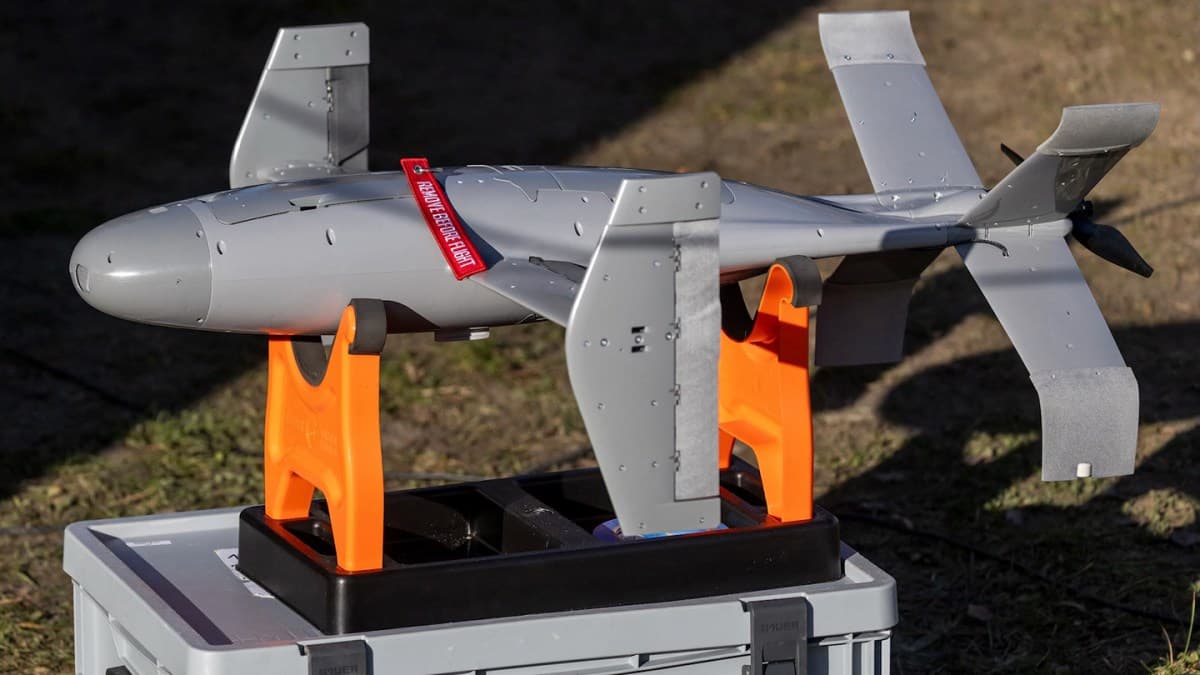
Cheap Interceptor Drones Proven In Ukraine Protected U.S. Troops Against Iranian Shaheds
Key Takeaways
- •Merops drones cost $15k each, half price of Shahed threats
- •Army streamlined acquisition, fielded 13,000 units within weeks
- •Bulk orders could cut price to $3k‑$5k per interceptor
- •Drones add low‑cost layer to Patriot and Coyote defenses
- •Proven in Ukraine, now shielding U.S. forces from Iranian Shaheds
Pulse Analysis
The rise of inexpensive, jet‑powered loitering munitions like Iran’s Shahed‑136 has forced militaries to rethink traditional air‑defense economics. Whereas legacy interceptors such as Patriot missiles or Raytheon’s Coyote can cost ten times more than the drones they target, the Merops system leverages small, fast‑moving Surveyor drones that can be produced and fielded at a fraction of the price. This cost advantage not only preserves fire‑power but also enables a swarm‑style defense, saturating airspace with affordable kill platforms that can be deployed en masse.
Behind Merops’ rapid adoption is a broader transformation in U.S. Army procurement. By collapsing a 16‑step, multi‑year decision chain into a streamlined, empowered task force, the service moved from concept to combat deployment in weeks, delivering over 13,000 units to the Middle East. The anticipated economies of scale—potentially reducing unit costs to $3,000‑$5,000—highlight how acquisition agility can directly translate into fiscal savings and operational readiness, especially when confronting asymmetric threats that proliferate at low cost.
Strategically, Merops exemplifies a shift toward layered, cost‑effective air defense. While high‑end systems remain essential for high‑value assets, low‑cost interceptors fill the gap for perimeter protection and large‑area coverage, preserving more expensive missiles for critical engagements. The system’s proven performance in Ukraine and its immediate impact on U.S. forces suggest that future defense planning will increasingly incorporate such scalable solutions, driving a market for affordable counter‑UAV technologies and reshaping how militaries allocate resources against evolving drone threats.
Cheap Interceptor Drones Proven In Ukraine Protected U.S. Troops Against Iranian Shaheds
Comments
Want to join the conversation?