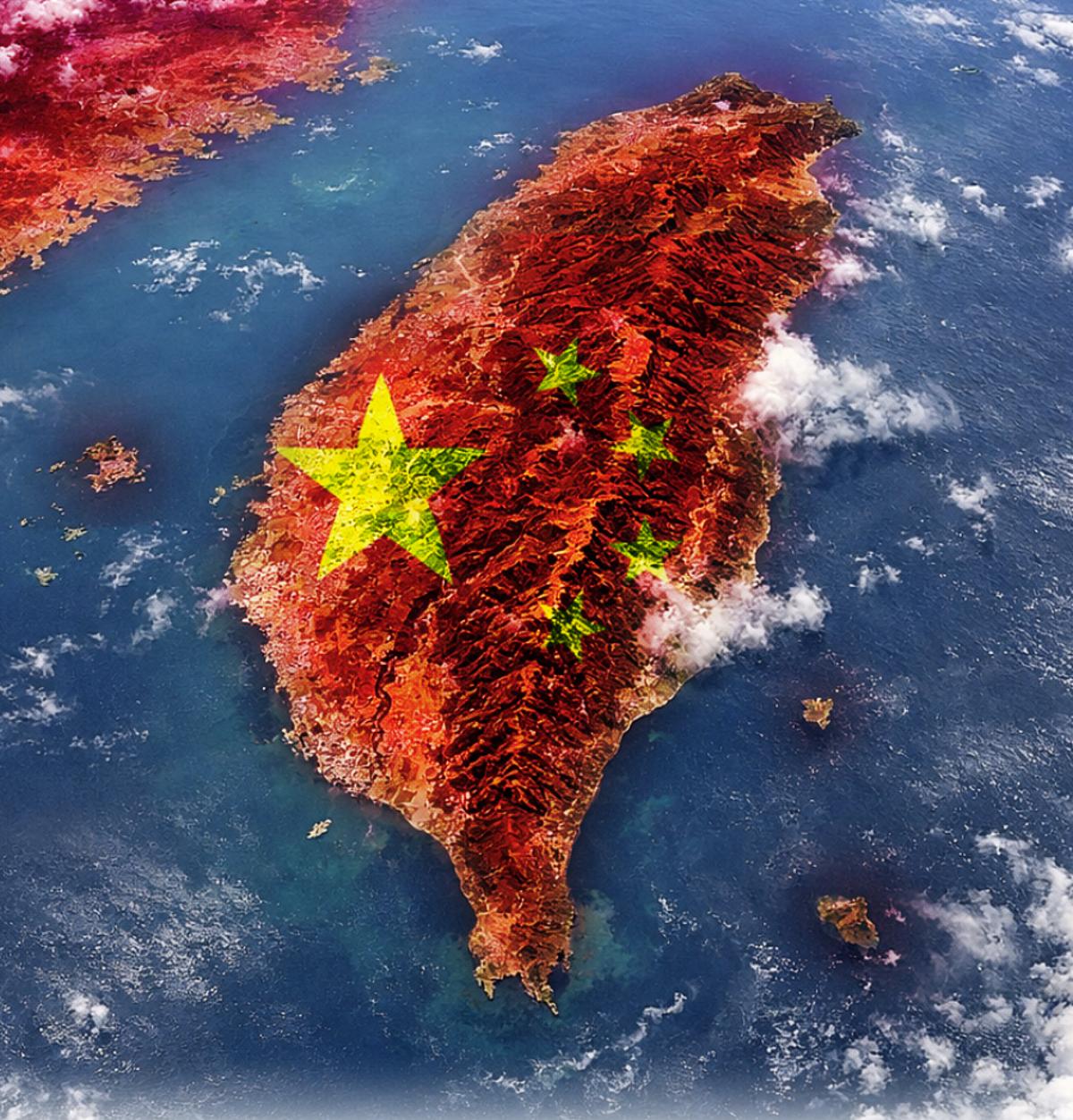
China’s Occupation Playbook for Taiwan Is Already Written
Key Takeaways
- •Beijing plans phased subjugation, not mere political management
- •Occupation strategy starts before invasion via legal and psychological shaping
- •Identity suppression and permanent surveillance are core tools in PRC playbook
- •International diplomatic silence reinforces Beijing’s narrative on Taiwan
- •Resistance must be decentralized to evade Beijing’s coercive network
Pulse Analysis
The Lowy Institute’s "After Annexation" report and the Irregular Warfare Center’s study reveal a systematic Chinese approach that treats occupation as a pre‑war operation. Drawing on playbooks from Tibet, Xinjiang and Hong Kong, Beijing deploys legal formalism, mass surveillance, and identity re‑engineering long before any troops cross the strait. This pre‑emptive shaping of political space aims to erode Taiwan’s democratic self‑image, making post‑conflict governance smoother and reducing the need for overt coercion once control is achieved.
For Taiwan, the implications are stark. A phased subjugation plan means that resistance cannot rely solely on conventional military deterrence; it must also build resilient civil‑society networks capable of operating under constant surveillance. Legal frameworks that protect journalists, lawyers and NGOs, alongside decentralized communication channels, can blunt Beijing’s strategy of selective inclusion and exclusion. By institutionalizing shadow governance and preparing rapid‑response legal authorities, Taiwan can maintain a functional democratic core even under pressure, preserving legitimacy and limiting the effectiveness of Beijing’s long‑term psychological campaign.
The international community’s role is equally critical. Diplomatic silence, as the studies note, validates Beijing’s narrative and emboldens its coercive tactics. Proactive recognition of Taiwan’s sovereign status by a diversified coalition of states, multinational corporations, and NGOs creates a diffusion of pressure that Beijing cannot easily counter. Such a network not only deters aggressive legal maneuvers but also supplies the resources needed for resilient resistance. In sum, understanding the occupation playbook enables policymakers to shift from reactive defense to strategic resilience, safeguarding Taiwan’s democratic identity and regional stability.
China’s Occupation Playbook for Taiwan Is Already Written
Comments
Want to join the conversation?