Continuing Crisis in Strait of Hormuz: Why Iran’s Hold Is Illegal and U.S. Military Force Alone Fails
Key Takeaways
- •Iran’s $2 million fee violates UNCLOS transit‑passage rights
- •Only six ships a day now transit, driving oil to $150/barrel
- •U.S. military assets lack a defined, sustainable strait‑opening plan
- •UN resolution to compel Iran failed after China and Russia vetoes
- •Multinational diplomatic coordination deemed essential to restore free navigation
Pulse Analysis
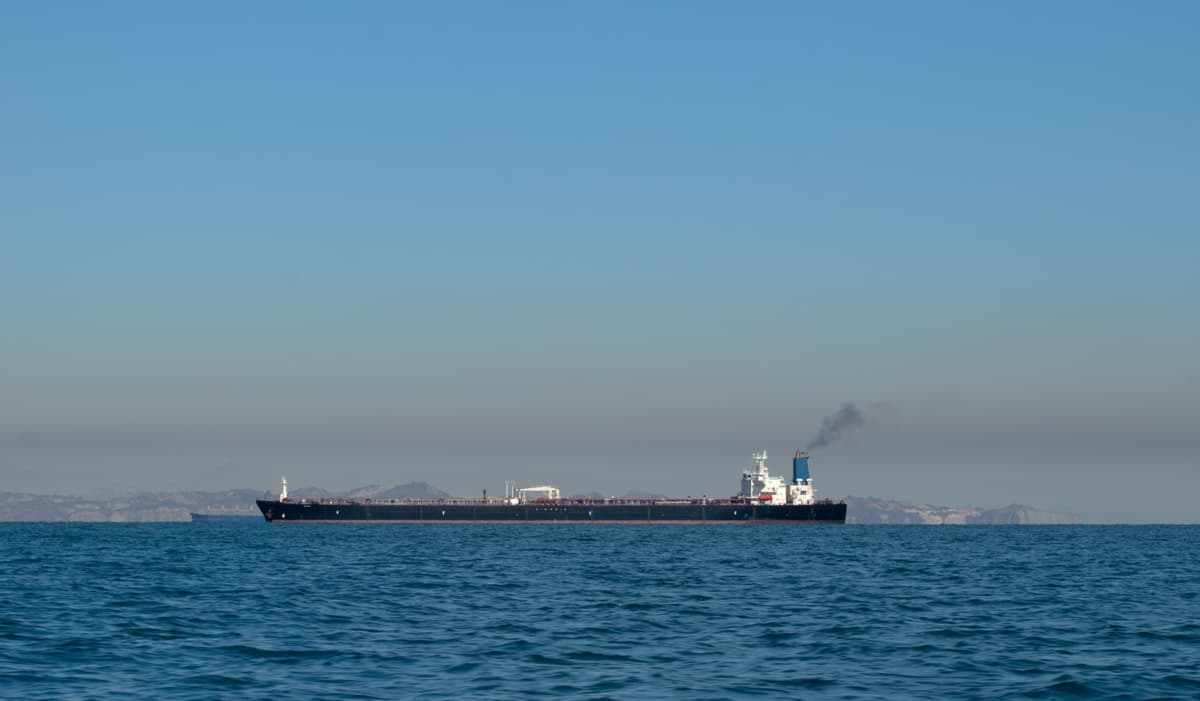
The Strait of Hormuz, a chokepoint for about one‑fifth of the world’s oil, has become a flashpoint as Iran asserts unilateral control. By demanding a $2 million toll and restricting access to vessels from friendly states, Tehran is contravening Article 37 of the United Nations Convention on the Law of the Sea, which guarantees non‑discriminatory transit passage. This legal breach not only undermines the rule‑based maritime order but also creates a revenue stream for a war‑torn economy, reshaping the strategic calculus for regional powers.
Energy markets have reacted sharply. With daily transits reduced to roughly six tankers, crude prices have surged toward $150 per barrel, eclipsing the spikes of the 1973 and 1979 oil crises. The ripple effect extends beyond oil: fertilizer shipments are stalled, food‑security risks rise, and downstream industries such as aluminum and helium face supply constraints. Analysts warn that if the strait remains closed beyond mid‑April, the cumulative economic damage could reach billions of dollars, pressuring both consumers and multinational corporations.
Military solutions have proven insufficient. While the United States has deployed thousands of troops and naval units, the asymmetrical threat posed by Iran’s drone swarms, anti‑ship missiles, and potential mining of the waterway limits the effectiveness of force alone. Experts advocate a multilateral approach: coordinated naval escorts, insurance backstops, and diplomatic engagement with regional actors, including Britain’s recent foreign‑minister summit. Restoring confidence in safe passage will likely require a blend of credible deterrence and sustained diplomatic pressure, rather than reliance on a single nation’s might.
Continuing Crisis in Strait of Hormuz: Why Iran’s Hold is Illegal and U.S. Military Force Alone Fails
Comments
Want to join the conversation?