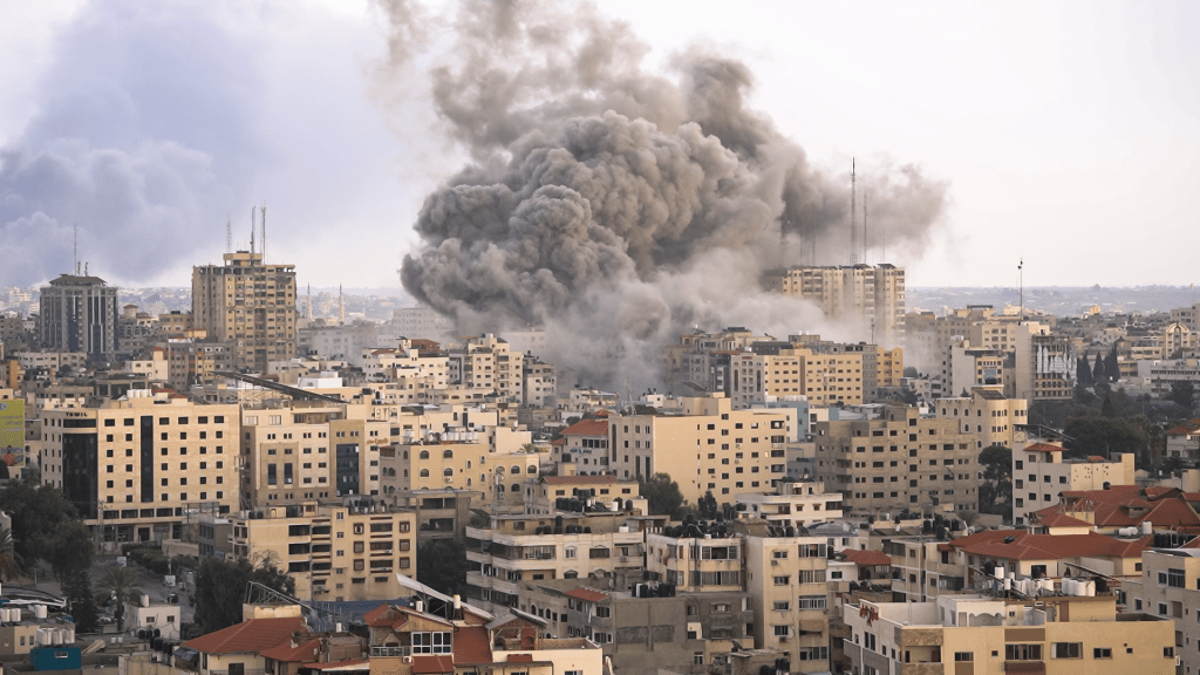
Credibility Vs. Speed: Israel and Hamas in the Gaza Information War
Key Takeaways
- •Israel’s evidence‑heavy briefings win institutional trust but lag in viral reach
- •Hamas gains rapid online traction through emotionally charged, unverified content
- •First‑hour narratives harden, making later corrections less effective
- •Platform rules and third‑party verification act as force multipliers in information wars
Pulse Analysis
In modern warfare, the information environment is as decisive as kinetic force. The Gaza conflict illustrated how the United States’ Joint Concept for Operations in the Information Environment (JCOIE) is being tested on the ground: state actors like Israel prioritize verifiable data to reassure allies and maintain legal legitimacy, while non‑state groups such as Hamas exploit algorithmic incentives that reward speed, emotion, and shareability. This divergence creates a dual‑track battle where credibility and virality compete for audience attention, shaping everything from diplomatic statements to humanitarian aid decisions.
The al‑Ahli Hospital explosion on October 17, 2023, became a textbook case of narrative lock‑in. Within hours, competing claims spread across X, TikTok, and traditional media, each backed by selective footage and partisan analysis. Independent investigators from the Associated Press, Human Rights Watch, and forensic architecture later offered nuanced assessments, but the initial framing had already influenced global protests, UN debates, and policy responses. The episode underscores a core lesson: speed in releasing a narrative can cement a perception that later evidence struggles to overturn, especially when audiences rely on fast, intuitive processing under stress.
Beyond the immediate combatants, platform governance and third‑party validators have emerged as decisive actors. The European Commission’s Digital Services Act proceedings against X highlighted regulatory pressure to curb misinformation, while open‑source analysts and humanitarian NGOs provided rapid fact‑checking that often outpaced official state releases. For practitioners, the takeaway is clear: effective influence operations must integrate rapid, shareable messaging with a pipeline for swift, credible verification. Aligning these elements not only sustains reach but also preserves the long‑term legitimacy essential for coalition building and strategic success.
Credibility vs. Speed: Israel and Hamas in the Gaza Information War
Comments
Want to join the conversation?