Daily Memo: Ceasefire in Iran, Defense Changes in France
Key Takeaways
- •US and Iran agree two‑week ceasefire in Strait of Hormuz
- •Toll collection to fund security upgrades for passing vessels
- •Talks to resume in Islamabad, signaling diplomatic de‑escalation
- •France unveils defense restructuring, emphasizing cyber and rapid deployment
Pulse Analysis
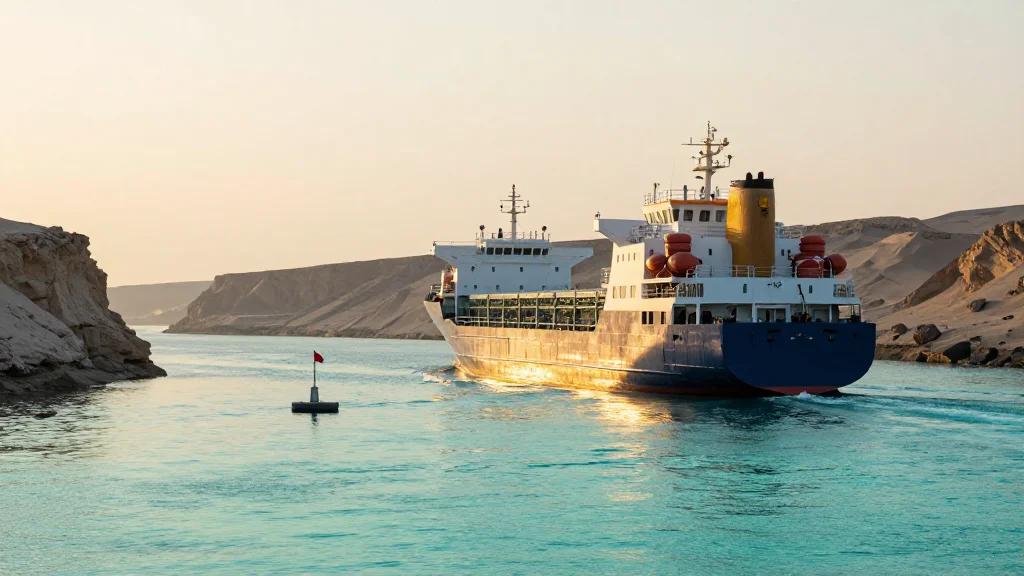
The Strait of Hormuz, through which roughly a fifth of the world’s petroleum passes, has long been a flashpoint for geopolitical tension. By instituting a two‑week ceasefire, the United States and Iran are temporarily stabilizing a corridor that, if disrupted, could send shockwaves through global energy markets. The agreement also opens a diplomatic channel in Islamabad, suggesting both sides are testing the waters for a longer‑term de‑escalation strategy that could reduce the risk of accidental escalation in a region already fraught with proxy conflicts.
A notable feature of the ceasefire deal is the authorization for Iran and Oman to impose tolls on vessels navigating the strait. These fees are intended to finance enhanced maritime security infrastructure, such as upgraded radar systems and rapid‑response patrols. For the shipping industry, the tolls represent an added cost but also a potential reduction in insurance premiums and rerouting expenses if the waterway remains open and safer. Regional economies that depend on uninterrupted oil flow stand to benefit from a more predictable security environment, while the revenue stream could bolster Iran’s ability to maintain its own naval capabilities.
In Europe, France’s announcement of defense changes underscores a continental shift toward addressing hybrid and cyber threats. By reallocating resources to cyber defense units and creating rapid‑deployment brigades, Paris aims to increase operational flexibility within NATO and respond swiftly to crises beyond its borders. This restructuring aligns with broader EU initiatives to modernize armed forces and reduce reliance on legacy platforms. For defense contractors and technology firms, the policy signals new procurement opportunities, while analysts view it as a bellwether for how Western militaries will adapt to the evolving character of warfare.
Daily Memo: Ceasefire in Iran, Defense Changes in France
Comments
Want to join the conversation?