Daily Memo: Drone Attack in Russia, US-Brazil Talks
Key Takeaways
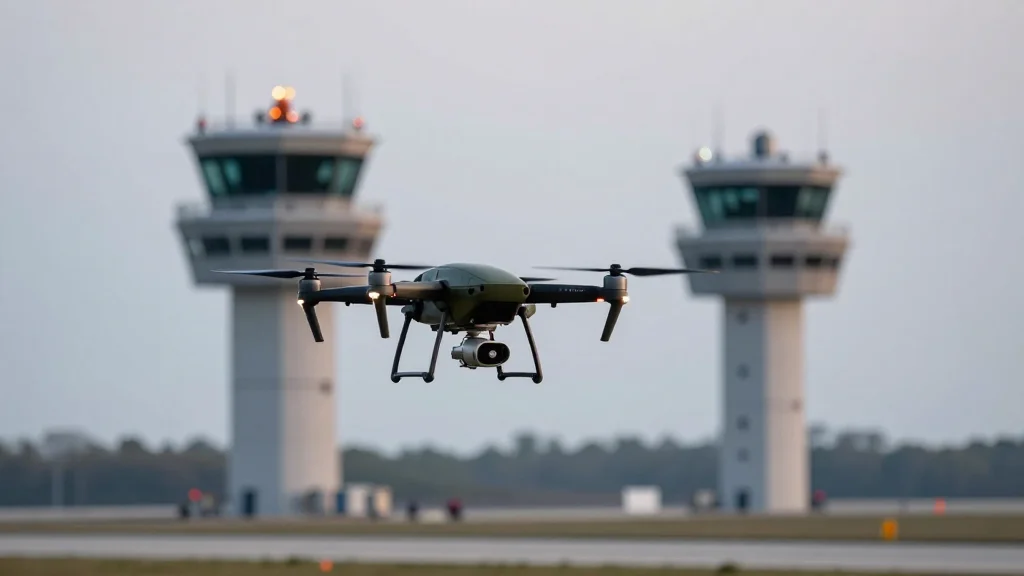
- •Ukrainian drone struck Rostov air traffic control, halting southern flights
- •Russian aviation authority expects closures through May 12 for repairs
- •Disruptions affect cargo routes linking Europe and the Middle East
- •US and Brazil discussed cooperation on technology and security amid tensions
Pulse Analysis
The recent drone strike on Rostov‑on‑Don’s air‑traffic control hub underscores how modern warfare can quickly target civilian infrastructure. By disabling the central node that coordinates flights across Russia’s southern corridor, Ukraine forced the suspension of passenger and cargo services that link the Black Sea region with Central Asia. Airlines are rerouting around congested airspaces, driving up fuel costs and causing delays that ripple through supply chains dependent on timely deliveries.
Beyond the immediate operational fallout, the incident exposes broader strategic vulnerabilities in Russia’s transport network. The southern route is a critical artery for oil, grain, and manufactured goods moving between Europe and the Middle East. Prolonged outages could incentivise shippers to seek alternative overland corridors, such as the Trans‑Caspian pipeline or rail links through Kazakhstan, reshaping trade patterns and potentially weakening Russia’s leverage in energy markets. Analysts also note that repeated attacks may compel Moscow to invest heavily in hardened communication systems, diverting resources from other defense priorities.
Concurrently, the United States and Brazil used their bilateral meeting to discuss joint initiatives on advanced technologies, cyber‑defense, and regional security cooperation. As Brazil positions itself as a bridge between North America and the rest of Latin America, the dialogue reflects a shared interest in countering destabilising actions that could spill over into the Western Hemisphere. Strengthening ties in areas like satellite communications and AI‑driven surveillance not only bolsters collective security but also opens market opportunities for U.S. firms seeking footholds in Brazil’s growing tech sector. The convergence of these geopolitical threads illustrates how localized conflicts can reverberate through global supply chains and diplomatic agendas alike.
Daily Memo: Drone Attack in Russia, US-Brazil Talks
Comments
Want to join the conversation?