Key Takeaways
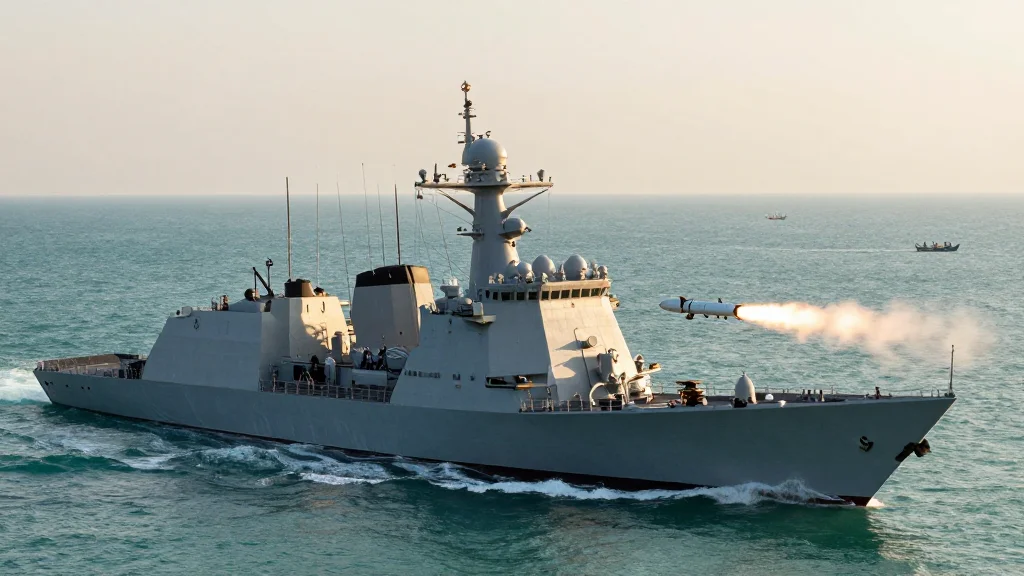
- •U.S. Navy sank six Iranian boats after missile and drone attack
- •Iran’s aggression targeted vessels transiting the Strait of Hormuz
- •Israel Defense Forces raised alert levels amid regional escalation
- •Potential disruption to oil shipments could spike global energy prices
Pulse Analysis
The Strait of Hormuz remains one of the world’s most vulnerable shipping lanes, handling roughly 20% of global petroleum trade. The recent U.S. Navy action against Iranian craft underscores how quickly localized skirmishes can evolve into incidents with macro‑economic repercussions. When naval assets from rival powers engage, insurance premiums rise, rerouting decisions become costly, and market participants scramble for hedges, all of which feed into higher oil price volatility.
Beyond the immediate tactical victory, the episode reflects a broader strategic contest between Tehran and Washington. Iran’s use of small, fast boats equipped with missiles and drones signals a shift toward asymmetric maritime tactics designed to exploit the narrow waterway’s constraints. For the United States, demonstrating the ability to neutralize such threats reinforces its commitment to safeguarding international shipping, but it also risks provoking retaliatory strikes that could draw neighboring states into the fray.
Investors and policymakers must monitor how this flashpoint influences regional alliances. Israel’s heightened alert status suggests a coordinated response framework among U.S. allies, potentially leading to joint patrols or intelligence sharing. Any prolonged disruption in Hormuz could pressure oil‑dependent economies, prompting shifts toward alternative routes or accelerated energy transition initiatives. Stakeholders should therefore factor geopolitical risk premiums into energy portfolios and supply‑chain strategies as the Middle East’s volatility persists.
Daily Memo: Escalation in the Middle East
Comments
Want to join the conversation?