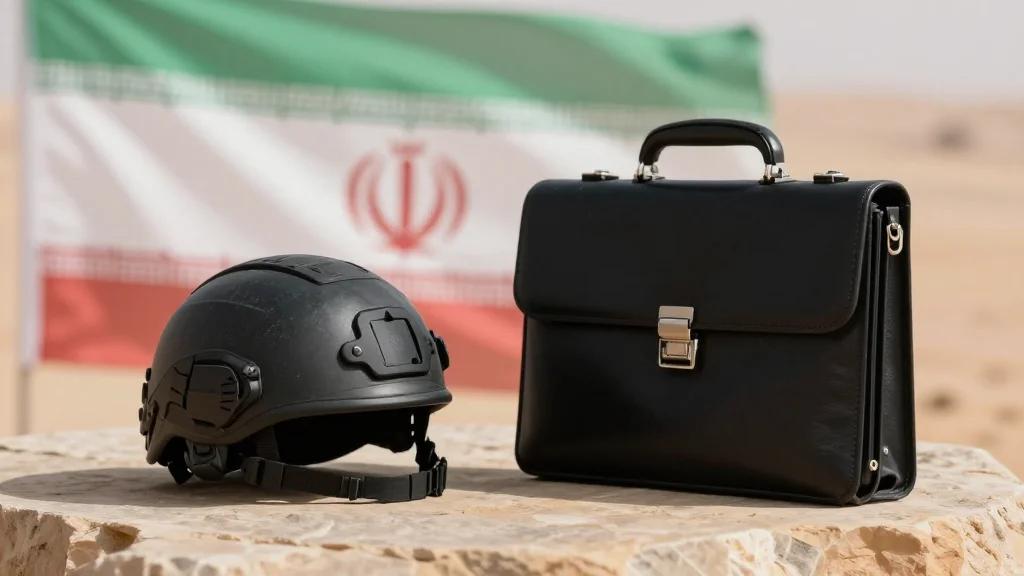
Daily Memo: Iranian Divisions, Iraqi Politics
Key Takeaways
- •IRGC rejects preliminary U.S.-Iran agreement reached in Pakistan
- •U.S. officials uncertain which Iranian faction holds decision‑making power
- •Split threatens progress on nuclear and regional stability talks
- •Iraqi factions monitor Iran divide, influencing Baghdad’s foreign policy
- •Negotiations may stall, prompting Washington to reassess diplomatic strategy
Pulse Analysis
The revelation of a deep rift within Iran’s power structure marks a pivotal moment for U.S. foreign policy in the Middle East. While senior diplomats in Pakistan secured tentative language on nuclear constraints and regional de‑escalation, the Islamic Revolutionary Guard Corps— Iran’s most influential military and political organ— publicly repudiated those concessions. This discord signals that any future agreement will require not only diplomatic finesse but also a clear understanding of which Iranian body ultimately controls policy implementation. Analysts warn that without IRGC buy‑in, even a signed deal could unravel, leaving the United States with limited leverage over Tehran’s nuclear program and its proxy networks.
The internal split also reverberates across Iraq, where political parties and militia groups closely align with either the IRGC or the more moderate diplomatic faction. Baghdad’s leaders must now navigate a more unpredictable Iranian partner, balancing domestic sectarian pressures with the need for stable cross‑border relations. The uncertainty may embolden Iraqi factions that oppose Iranian influence, potentially reshaping coalition dynamics in the parliament and affecting security cooperation on counter‑terrorism and oil infrastructure protection.
For Washington, the emerging Iranian division forces a strategic recalibration. Policymakers may consider broadening engagement beyond Tehran’s official diplomats, incorporating regional allies, and leveraging economic incentives to coax the IRGC toward a pragmatic stance. Simultaneously, the United States must prepare contingency plans should negotiations stall, including reinforcing sanctions and strengthening partnerships with Gulf states. Understanding the nuanced power play within Iran is now essential for any durable diplomatic breakthrough and for maintaining stability in a region already fraught with volatility.
Daily Memo: Iranian Divisions, Iraqi Politics
Comments
Want to join the conversation?