Daily Memo: RIMPAC Preview, Israeli Pessimism
Key Takeaways
- •31 nations set record participation in 2024 RIMPAC.
- •Exercise starts June 24, lasting five weeks near Hawaii.
- •Over 25,000 personnel, 40 ships, 5 submarines involved.
- •140 aircraft will conduct joint maritime operations.
- •RIMPAC showcases U.S. naval leadership amid rising Pacific tensions.
Pulse Analysis
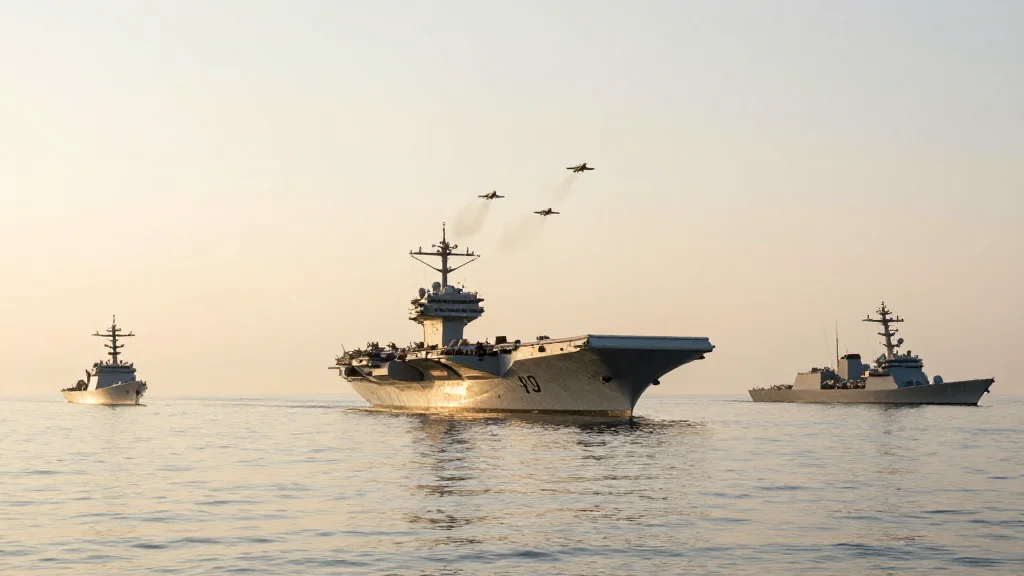
RIMPAC, the world’s largest maritime war game, has become a litmus test for the United States’ ability to marshal a coalition of partners in the Indo‑Pacific. By bringing together 31 nations—more than any previous edition—the 2024 drill reflects a deliberate shift toward broader multilateral engagement. The sheer volume of assets—over 25,000 troops, 40 surface combatants, five submarines and 140 aircraft—creates a complex environment for testing joint tactics, command structures, and logistics, offering a realistic rehearsal for any large‑scale maritime contingency.
The timing of RIMPAC is significant amid escalating tensions in the South China Sea and Taiwan Strait. As Beijing expands its naval capabilities and asserts territorial claims, the United States leverages the exercise to demonstrate collective resolve and to reassure allies such as Japan, Australia, and the Philippines. The presence of emerging naval powers, including India and South Korea, adds a strategic depth that complicates any unilateral aggression. Moreover, the drill’s emphasis on anti‑submarine warfare, cyber resilience, and integrated air‑sea operations aligns with contemporary threat vectors, ensuring that participating forces remain adaptable to modern warfare challenges.
Beyond immediate military readiness, RIMPAC influences defense procurement and industrial collaboration across the Pacific. Joint testing of new platforms—such as unmanned surface vessels and advanced missile systems—provides valuable data that can accelerate acquisition cycles for allied navies. The exercise also fosters diplomatic dialogue, creating informal channels for crisis communication that can de‑escalate potential incidents. As the geopolitical landscape evolves, RIMPAC’s expanding footprint signals a durable commitment to a free and open Indo‑Pacific, reinforcing the United States’ strategic posture for years to come.
Daily Memo: RIMPAC Preview, Israeli Pessimism
Comments
Want to join the conversation?