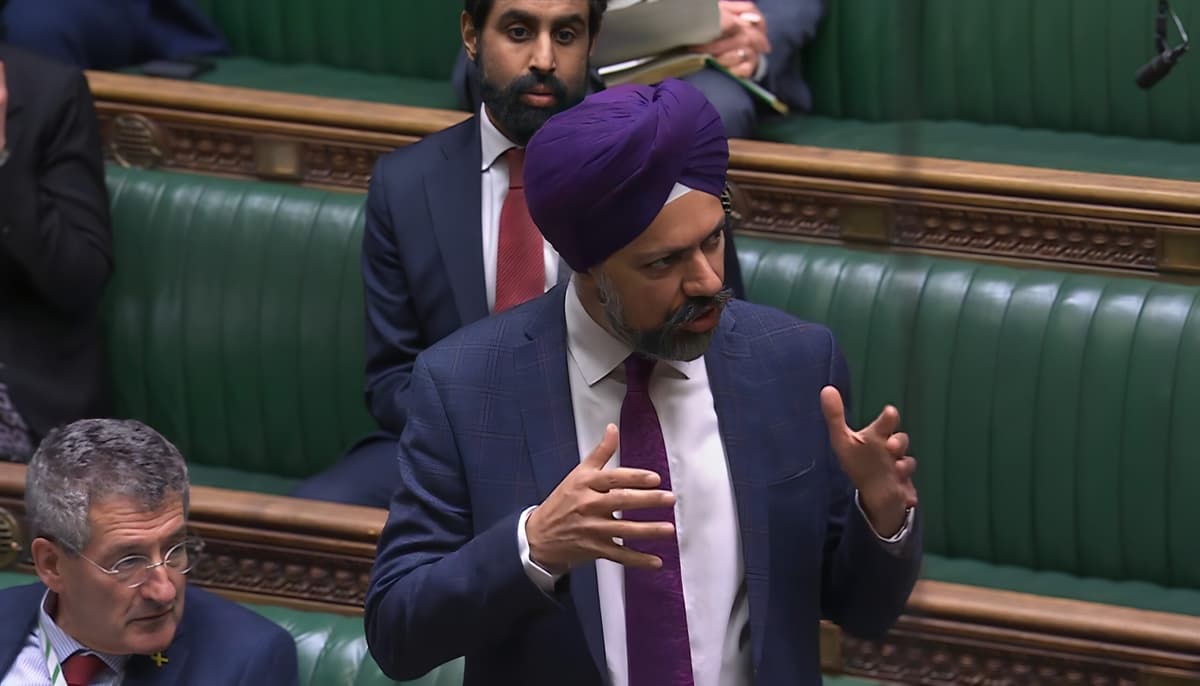
Defence Committee Chair Presses Healey on Financing
Key Takeaways
- •Committee chair urges UK to reach 3% GDP defence spend
- •Defence bonds and multilateral bank proposed as financing tools
- •Canada leads creation of Defence, Security and Resilience Bank
- •Government cites Gordon Brown report on multinational security financing
- •Accelerated spending needed amid heightened geopolitical threats
Pulse Analysis
The United Kingdom is confronting a strategic crossroads as it seeks to lift defence outlays to 3% of gross domestic product, a level aligned with NATO’s 2025 pledge. Traditional budgetary routes are strained by competing domestic priorities and tight fiscal rules, prompting policymakers to explore alternative financing that can sustain the rapid procurement cycles demanded by modern threats. This shift reflects a broader trend among advanced militaries to decouple capability growth from immediate tax revenues, leveraging long‑term financial instruments to preserve economic stability.
Among the proposals gaining traction are defence bonds and the creation of a Defence, Security and Resilience Bank—a state‑backed multilateral institution designed to channel low‑cost capital into defence, security and resilience projects. Canada has taken a leading role, hosting charter negotiations and pledging major banks to the venture, signaling a willingness among allies to pool resources and attract private investors. By offering a credit‑enhanced platform, the bank aims to reduce borrowing costs for critical programmes while diversifying risk across a coalition of partners, a model that could reshape how defence projects are funded globally.
Politically, the financing discussion pits the urgency of hard‑power investment against the constraints of public finance. Grant Healey’s reference to a Gordon Brown‑commissioned report underscores the government’s intent to embed multinational financing into its long‑term strategy, while Labour’s Defence Committee stresses speed and scale. The outcome will influence not only the UK’s industrial base—potentially spurring domestic innovation and jobs—but also its credibility within NATO, as allies watch whether Britain can meet its financial commitments without compromising fiscal health.
Defence Committee chair presses Healey on financing
Comments
Want to join the conversation?