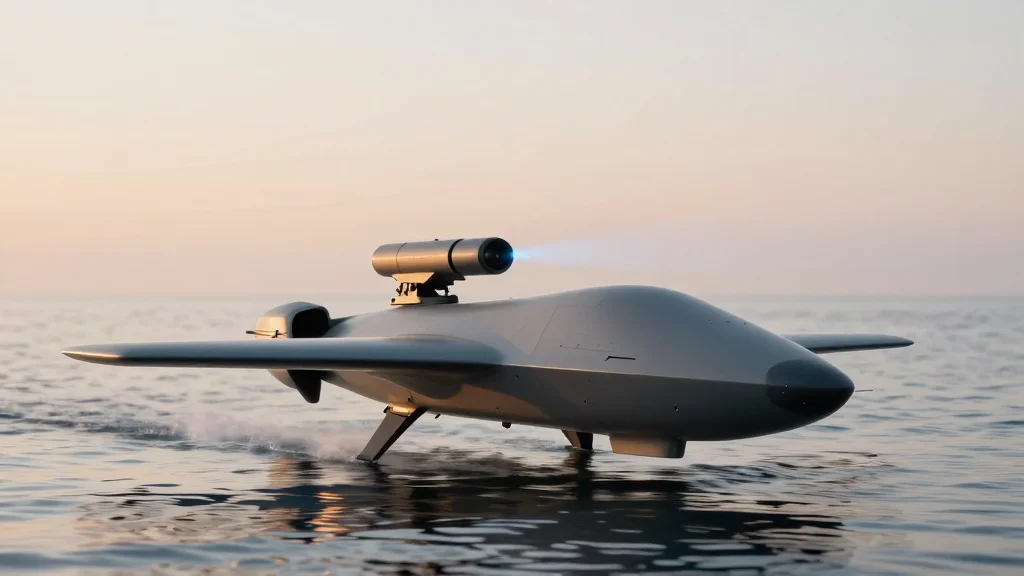
Defence Minister Wants 1,000-Ship Royal Navy, Built Primarily on Uncrewed Platforms
Key Takeaways
- •Goal: 1,000-ship Royal Navy dominated by uncrewed vessels
- •Procurement tied to performance in Ukraine's conflict
- •DragonFire laser cost $528 M, promises cheap missile defense
- •MoD's 'Get Rid of Stupid Rules' program targets bureaucratic waste
- •Hybrid navy faces challenges in harsh Atlantic conditions
Pulse Analysis
The United Kingdom is betting on autonomy to future‑proof its maritime force. By anchoring the 1,000‑ship target to uncrewed systems that have demonstrated lethality in the Ukraine war, the Ministry of Defence hopes to multiply presence and deterrence without the personnel constraints of traditional hulls. This approach mirrors a broader NATO trend where drones and unmanned surface vessels are being integrated into fleet compositions, allowing smaller navies to punch above their weight while preserving strategic flexibility in contested littoral zones such as the Baltic and Norwegian seas.
A centerpiece of the new vision is the DragonFire directed‑energy weapon slated for a Type 45 destroyer. With an investment of about $528 million, the laser promises to intercept incoming missiles for a few pence per shot, dramatically undercutting the cost of traditional missile interceptors that run into the hundreds of thousands of dollars. If the technology scales, it could redefine fleet air‑defence economics, enabling the Royal Navy to sustain higher sortie rates and reduce logistical footprints. However, integration challenges—power generation, cooling, and combat‑testing—remain significant hurdles before the system can be fielded across the fleet.
Beyond hardware, the minister’s push to eliminate “stupid rules” signals a cultural shift within the MoD. By targeting outdated reporting requirements and streamlining procurement pathways, the government aims to accelerate delivery of autonomous platforms and advanced weapons. Yet the absence of a published Defence Investment Plan casts uncertainty over funding allocations and long‑term strategic alignment. Industry stakeholders will be watching closely to see whether the promised reforms translate into tangible contracts, as the success of the hybrid navy concept hinges on both technological breakthroughs and a leaner, more responsive acquisition framework.
Defence minister wants 1,000-ship Royal Navy, built primarily on uncrewed platforms
Comments
Want to join the conversation?