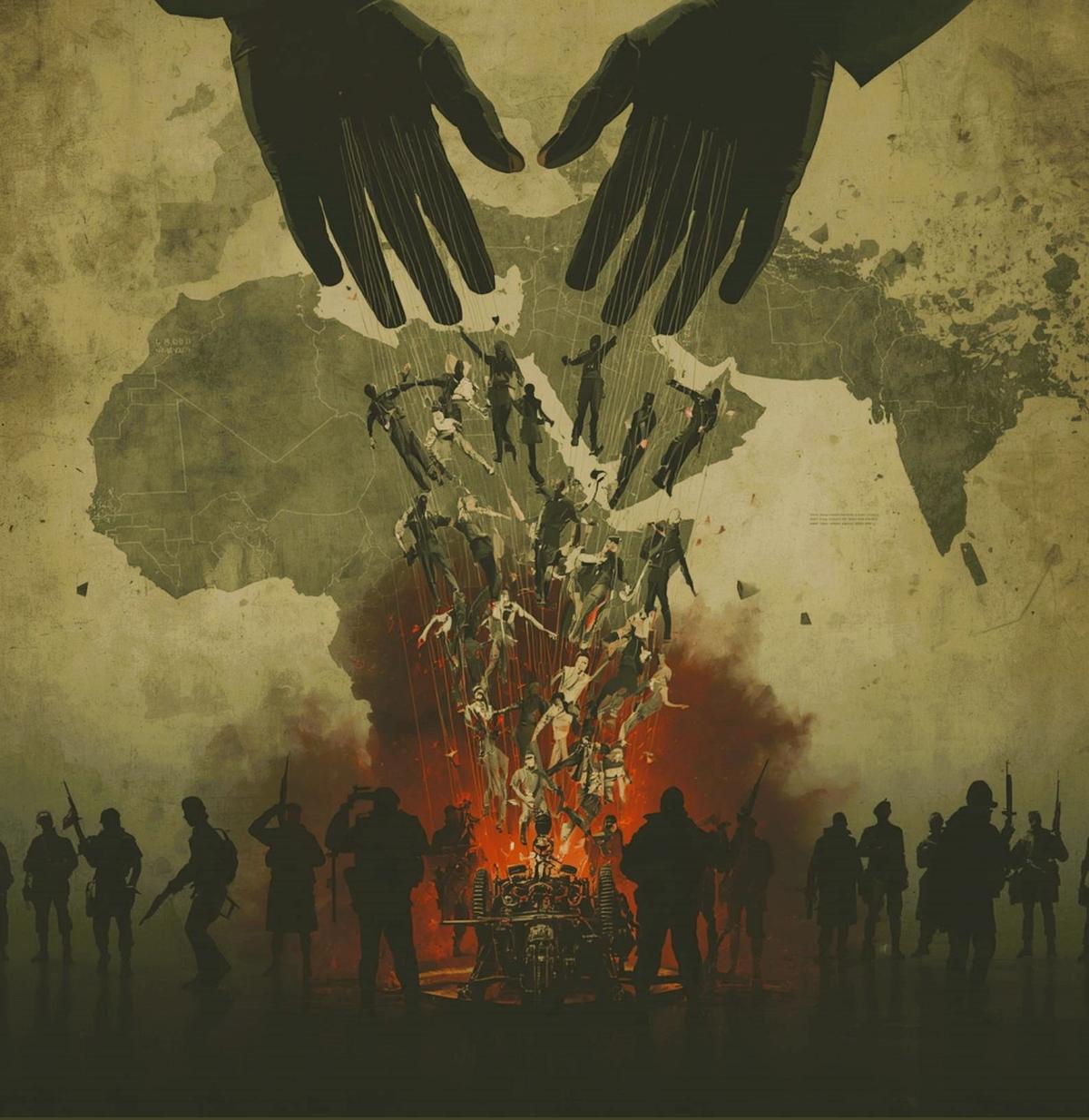
Delegated Violence: Jihadist Organizations and the Strategic Logic of Small Wars
Key Takeaways
- •US backed at least one “small war” annually (1975‑2005), 90% civilian casualties.
- •Turkey and Qatar built proxy networks linking funding, media, and sanctuary.
- •“Light footprint” US strategy prioritized military over civil institutions, fueling instability.
- •Proxy jihadists shifted from state tools to autonomous threats after 9/11.
- •Doha‑style deals recycle designated terrorist groups into political actors.
Pulse Analysis
The rise of delegated violence marks a strategic shift from direct battlefield engagement to a reliance on proxy actors who absorb the human cost of conflict. By outsourcing lethal force, major powers can pursue geopolitical objectives while maintaining plausible deniability. This model emerged during the Cold War, when the United States funneled arms and money to Afghan mujahideen through Operation Cyclone, creating a pipeline of fighters who later formed al‑Qaeda and other transnational networks. The logic of “small wars” treats human lives as expendable capital, allowing states to manage death as a resource while preserving their own legitimacy.
In the 21st‑century Middle East, Turkey and Qatar have refined the proxy playbook, establishing financing channels, media outlets, and safe havens that sustain groups from Libya to the Caucasus. Their flexible infrastructure enables rapid re‑branding of militant factions, as seen with Jabhat al‑Nusra’s evolution into Hay’at Tahrir al‑Sham. Meanwhile, U.S. policy oscillated between direct intervention and “no boots on the ground” tactics, especially in Syria, where indirect support to opposition forces inadvertently bolstered extremist elements. The “light footprint” approach prioritized kinetic strikes over the development of civil institutions, echoing failures in Afghanistan and the Balkans and contributing to prolonged instability.
The recycling of designated terrorist organizations into political actors—exemplified by the Doha Agreement with the Taliban and the 2025 integration of HTS—demonstrates the durability of this strategy. While it offers short‑term leverage, it also entrenches a market for violence where state and non‑state actors blur. Policymakers must confront the ethical and strategic costs of delegating death, investing in robust governance frameworks, and establishing clear accountability mechanisms to prevent proxy wars from becoming perpetual engines of regional turmoil.
Delegated Violence: Jihadist Organizations and the Strategic Logic of Small Wars
Comments
Want to join the conversation?