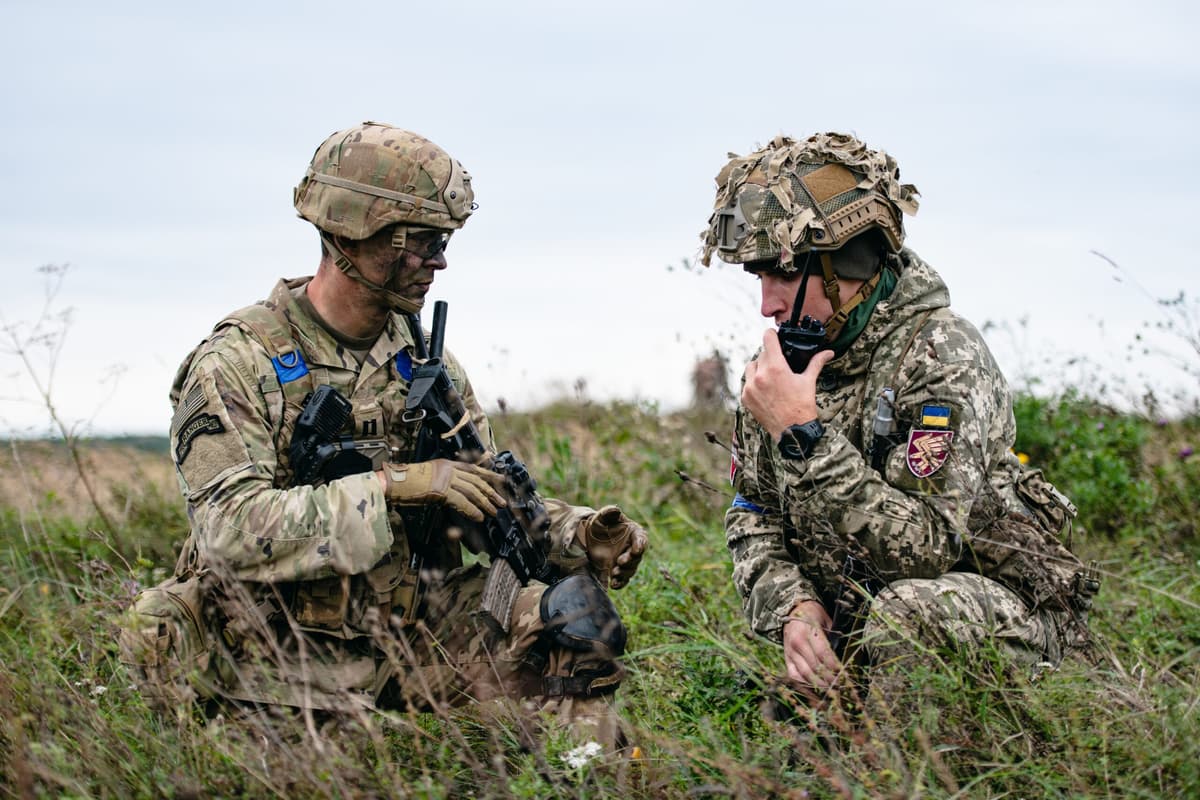
Distributed Combat Power: How Ukraine Is Redefining Fires, Electronic Warfare, and Air Defense at the Tactical Level
Key Takeaways
- •Ukrainian squads use drones for ISR and direct fires, reducing reliance on artillery
- •EW tools now sit on every vehicle and soldier, making spectrum management a core skill
- •cUAS layers exist from strategic acoustic nets to squad‑level jam‑mers
- •U.S. brigades still centralize fires and EW, limiting rapid response in contested domains
Pulse Analysis
Ukraine’s battlefield innovations illustrate how inexpensive, modular systems can overturn traditional hierarchies of combat power. Small units now field drone strike companies, squad‑level FPV platforms and ad‑hoc fire‑control software, allowing them to locate, decide and engage targets within minutes. This organic fires capability compresses the kill‑chain, making artillery support a supplement rather than a prerequisite and forcing adversaries to contend with a constantly moving target set.
Electronic warfare has likewise become a ubiquitous, low‑level function. Ukrainian forces equip every vehicle with jammers and issue handheld detectors to infantry, turning spectrum dominance into a daily operational task. The result is a battlefield where EW is no longer a specialist’s domain but a shared responsibility that protects communications, blunts enemy drones and even disrupts missile guidance. For the U.S. Army, the lesson is clear: distributed EW kits must be fielded at the platoon and squad levels to maintain situational awareness in contested electromagnetic environments.
Air‑defense doctrine is also evolving. With hundreds of hostile drones per day, Ukraine has layered cUAS solutions ranging from strategic acoustic arrays to portable radio‑frequency disruptors carried by individual soldiers. This multi‑tiered approach ensures that low‑altitude threats are addressed instantly, rather than waiting for higher‑echelon systems like Patriot or M‑SHORAD. Adopting similar decentralized air‑defense postures would give U.S. brigades the resilience needed against near‑peer A2/AD strategies, aligning force structure with the realities of modern, sensor‑dense battlefields.
Distributed Combat Power: How Ukraine is Redefining Fires, Electronic Warfare, and Air Defense at the Tactical Level
Comments
Want to join the conversation?