EU Responds to Russia’s Threats: “An Attack on One of Our Member States Is an Attack on EU as a Whole”

Key Takeaways
- •EU says attack on any member triggers collective response
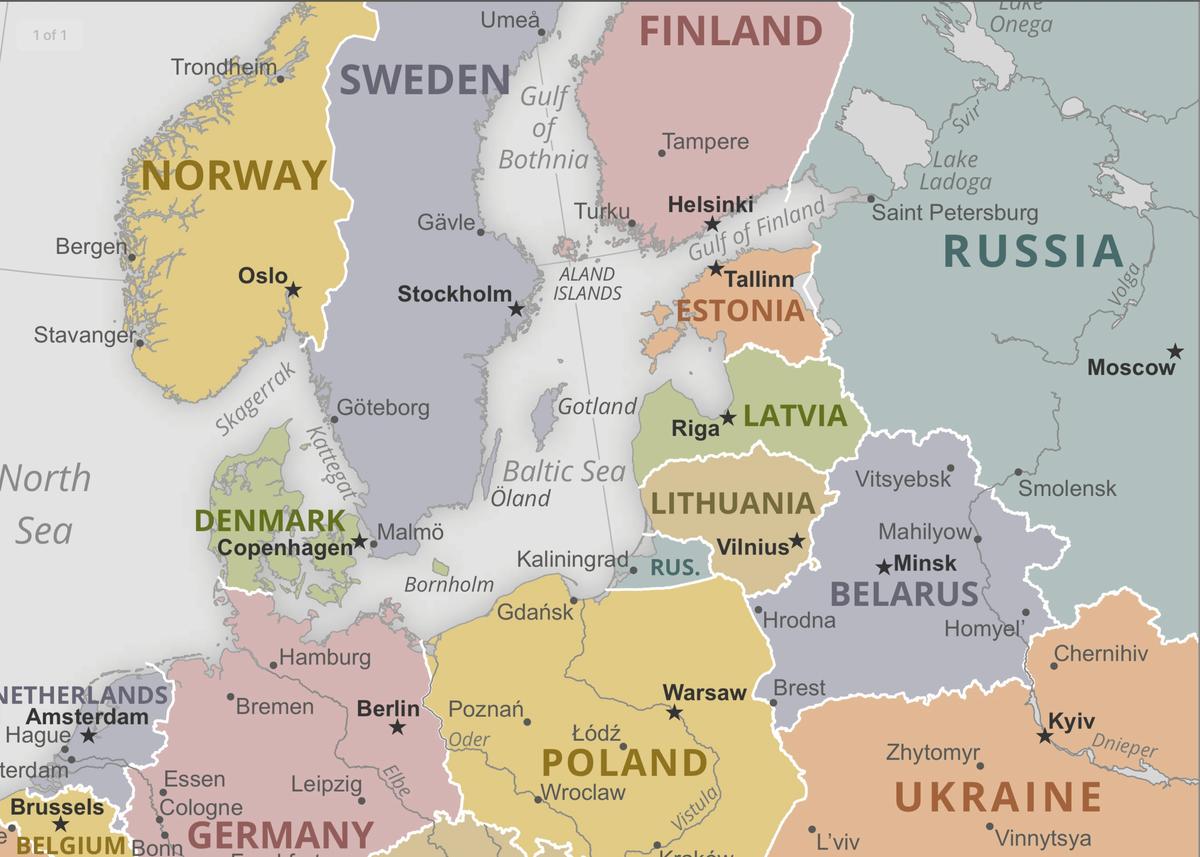
- •Russia threatens Baltic states over Ukraine's use of their airspace
- •Commission highlights four security initiatives, including Air Shield and counter‑drone
- •Lithuania, Latvia, Estonia push for stronger Ukraine air defence and sanctions
- •EU's stance may tighten NATO coordination and economic pressure on Russia
Pulse Analysis
The European Union’s latest declaration reflects a strategic shift toward a more integrated defence framework, echoing Article 42.7 of the Lisbon Treaty which obliges member states to aid one another if an external aggression occurs. By explicitly linking a potential Russian strike on the Baltic states to a Union‑wide response, Brussels is sending a clear deterrent signal to Moscow while reinforcing the political cohesion that has underpinned EU security policy since the 2014 crisis in Ukraine.
Central to this posture are the EU’s four flagship initiatives, with the Air Shield programme and a dedicated counter‑drone system taking precedence. Air Shield aims to create a layered, cross‑border air‑defence network that can intercept hostile aircraft and missiles, leveraging both national assets and joint procurement funds. The counter‑drone effort focuses on detecting and neutralising unmanned systems that could be used for surveillance or kinetic attacks, a growing concern given recent Russian drone deployments in the region. These projects are funded through the EU’s Rapid Reaction Mechanism, allowing faster deployment and tighter coordination with NATO’s integrated air‑defence architecture.
For the Baltic states and Ukraine, the EU’s stance translates into tangible support: accelerated delivery of air‑defence systems, increased intelligence sharing, and a hardening of sanctions against Russian entities. Estonia, Latvia and Lithuania have already urged the Commission to expand sanctions and bolster Ukraine’s air‑defence capabilities, aligning with broader Western efforts to isolate Moscow economically. This unified approach not only raises the cost of aggression for Russia but also reassures investors that the EU can maintain stability in its eastern frontier, a factor that could temper market volatility amid the ongoing geopolitical tension.
EU Responds to Russia’s Threats: “An Attack on One of our Member States is an Attack on EU as a Whole”
Comments
Want to join the conversation?