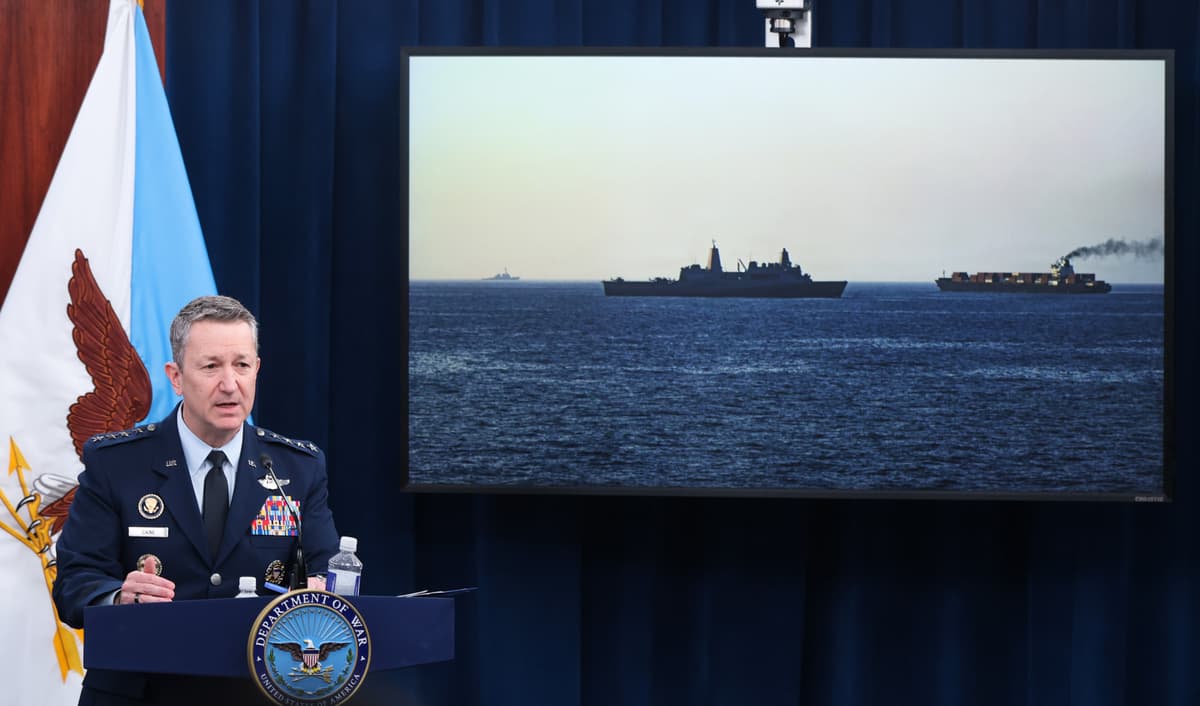
Five “Blockades” And One Legal Problem: Naval Enforcement in the U.S.–Iran Conflict
Key Takeaways
- •Iran imposed an illegal Strait of Hormuz blockade on March 2, halting traffic
- •U.S. CENTCOM declared a blockade of Iranian ports on April 13
- •April 16 expansion gave U.S. worldwide boarding rights over Iranian, contraband, OFAC vessels
- •Legal experts argue a global blockade violates San Remo Manual’s geographic limit requirement
- •Mixed legal regimes risk escalation and erode neutral shipping rights
Pulse Analysis
The current maritime standoff in the Gulf of Oman reflects a rare convergence of wartime and peacetime legal tools. Iran’s March 2 shutdown of the Strait of Hormuz, achieved through an illegal blockade and extensive mining, has forced commercial vessels to reroute or halt, underscoring the strategic leverage of chokepoint control. While the United Nations Convention on the Law of the Sea guarantees transit passage, Iran’s actions breach both the convention and established naval warfare norms, prompting a swift U.S. response that blends traditional blockade doctrine with broader enforcement mechanisms.
U.S. CENTCOM’s April 13 declaration adhered to classic blockade criteria—public notice, impartiality, and demonstrable effectiveness—limited to the Gulf of Oman and Arabian Sea. However, the April 16 amendment erased geographic boundaries, invoking a belligerent right to board any Iranian‑flagged, contraband‑carrying, or OFAC‑sanctioned vessel worldwide. This expansion collides with the San Remo Manual, which mandates explicit location limits for a blockade to remain lawful. Moreover, the reliance on the Proliferation Security Initiative and bilateral flag‑state agreements introduces a patchwork of peacetime authorities that lack the cohesive legal footing of wartime seizure powers, raising questions about the legitimacy of distant interdictions such as the boarding of the M/T Tifani in the Bay of Bengal.
The legal uncertainty carries tangible commercial consequences. Shipping firms must reassess route risk models, insurers are likely to adjust premiums, and neutral states may contest U.S. actions as violations of freedom of navigation. If the United States continues to apply wartime powers without a clear cease‑fire termination, it could set a precedent that erodes the established balance between security imperatives and maritime commerce. Policymakers should therefore delineate each operation’s legal basis, reaffirm geographic limits where appropriate, and engage multilateral forums to preserve the integrity of international maritime law.
Five “Blockades” and One Legal Problem: Naval Enforcement in the U.S.–Iran Conflict
Comments
Want to join the conversation?