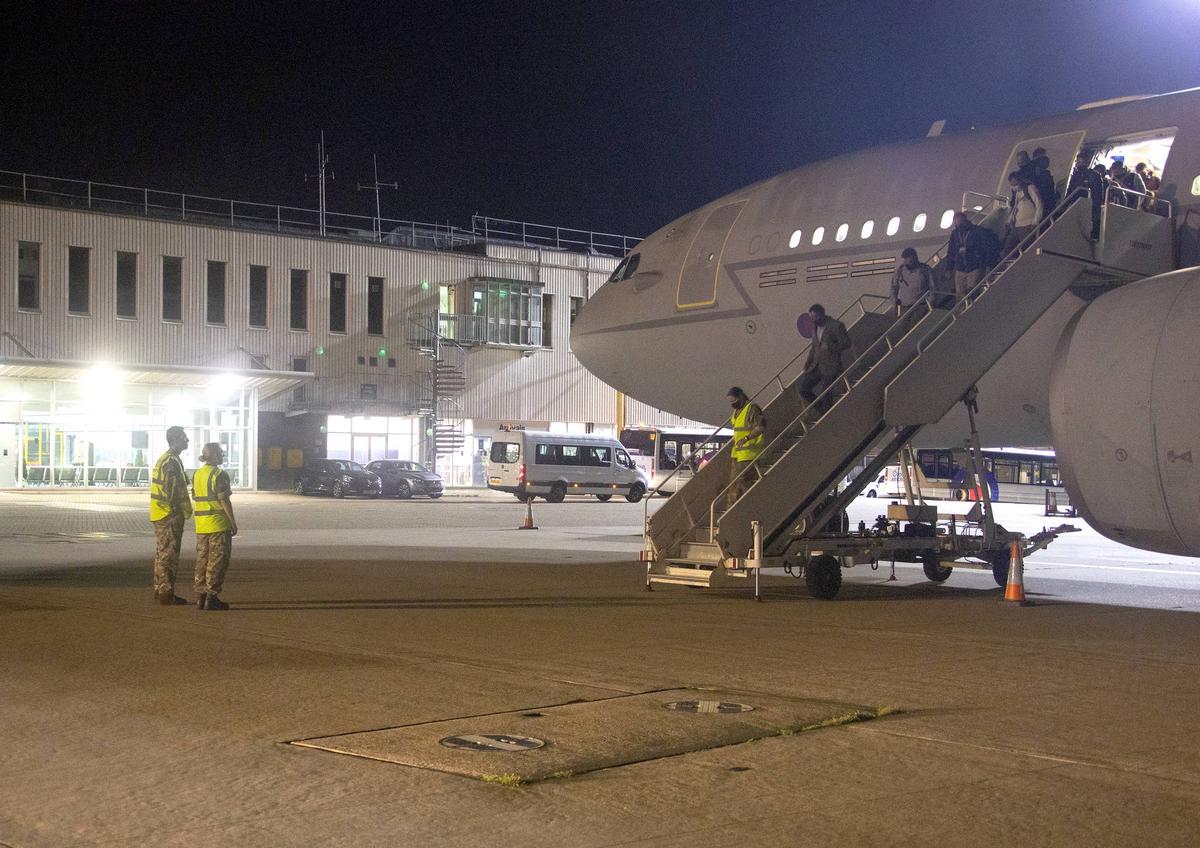
Former MoD Permanent Secretary Rejects Fall Guy Claim
Key Takeaways
- •Data breach cost estimate: £850m (~$1.06bn) half already spent
- •ARAP scheme got 200,000 applications vs 4,000 expected
- •Risks could have exposed Afghans to Taliban threats
- •NAO report puts total resettlement cost at £5.7bn (~$7.1bn)
- •Williams denies being the “fall guy” and reiterates apology
Pulse Analysis
The Afghan resettlement effort, known as the Afghan Relocation and Assistance Programme (ARAP), was launched with the expectation of processing roughly 800 principal applicants and 4,000 family members. In reality, the programme attracted close to 200,000 applications, a miscalculation that overwhelmed the Ministry of Defence’s data‑handling capacity and set the stage for the subsequent breach. The sudden surge reflected the chaotic aftermath of the 2021 withdrawal, where thousands of Afghans sought British protection, exposing a critical gap between policy assumptions and on‑the‑ground demand.
Financial repercussions quickly escalated. Williams cited a provisional figure of £850 million (about $1.06 billion) for the breach alone, noting that half of that sum had already been expended before the super‑injunction was lifted. The National Audit Office’s broader audit placed the total cost of all Afghan resettlement schemes at £5.7 billion—approximately $7.1 billion—highlighting the fiscal strain on the defence budget. While Williams rejected the “fall guy” label, his testimony underscored the difficulty of assigning clear responsibility when systemic risk assessments were ignored.
The episode has reignited debate over accountability and risk management within UK government departments. Experts argue that future cross‑government initiatives must embed robust data‑security frameworks from inception, coupled with realistic demand forecasts and transparent reporting mechanisms. Moreover, the incident illustrates how political pressure to deliver rapid humanitarian outcomes can clash with the need for meticulous operational planning. As the Defence Committee deliberates, the lessons drawn are likely to shape reforms in both defence procurement and broader civil‑service governance, aiming to prevent a repeat of such costly failures.
Former MoD permanent secretary rejects fall guy claim
Comments
Want to join the conversation?