FPVs Make Near-Border Naval Basing Untenable | Forbes
Key Takeaways
- •FPV drones can strike naval ships in under ten minutes
- •27,000 drone incursions near U.S. southern border in 2024
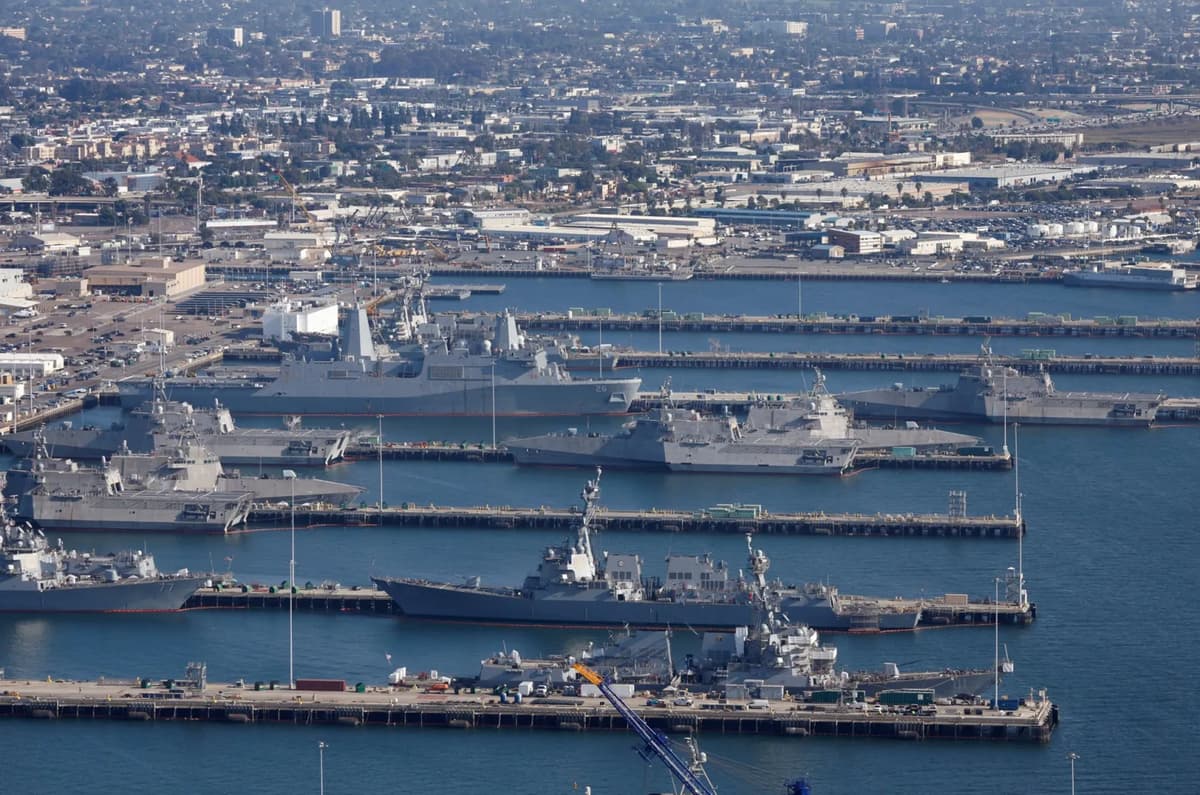
- •Carriers and 61 warships sit within 11 miles of Mexico
- •Navy studied FPV threat for a decade, took no action
- •Move bases 100 miles inland, disperse to Puget Sound, Alaska
Pulse Analysis
The rise of FPV drone technology has introduced a new, asymmetric threat to U.S. maritime security, especially along the southern border where proximity to major naval assets is a strategic vulnerability. Unlike traditional UAVs, FPV drones combine high maneuverability with first‑person visual control, allowing operators to navigate complex urban environments and deliver kinetic payloads with precision. The recent surge in incursions—over 27,000 reported in the latter half of 2024—signals that non‑state actors, including drug cartels, are rapidly acquiring these capabilities, mirroring the destructive strikes seen in Ukraine’s Kronstadt attacks.
Within the Navy’s current basing footprint, three nuclear‑powered carriers and more than 60 surface combatants sit less than a dozen miles from the Mexican border. A launch from Tijuana can reach these vessels in under ten minutes, compressing response windows and rendering conventional air‑defense systems inadequate in densely populated areas. Institutional inertia, driven by career incentives and the comfort of established shore‑based infrastructure in San Diego, has stalled decisive countermeasures. Moreover, deploying anti‑drone lasers or kinetic interceptors in civilian corridors raises legal and safety concerns, further complicating a rapid defensive posture.
Hooper’s proposed remedy—freezing new contracts in border zones, shifting critical infrastructure at least 100 miles inland, and dispersing assets across Puget Sound, San Francisco Bay, and Alaska—offers a pragmatic, albeit politically fraught, path forward. Relocation would dilute concentration risk, enhance survivability, and align U.S. naval basing with contemporary threat environments. However, the cultural pushback from local economies, congressional stakeholders, and the defense industrial base underscores the broader challenge of adapting legacy military infrastructure to emerging, low‑cost drone warfare.
FPVs Make Near-Border Naval Basing Untenable | Forbes
Comments
Want to join the conversation?