From Mandate to Execution: The Clear–Shield–Sustain Model for Contested Stabilization
Key Takeaways
- •CSS adds a transition‑authority headquarters to stabilization missions
- •Hard‑audit function links real‑time resource tracking to phase decisions
- •Model adapts to three political tiers: strong, partial, weak agreement
- •Premature aid expansion can empower insurgents; CSS prevents it
- •Iraq and Afghanistan failures stemmed from missing execution structure
Pulse Analysis
Stabilization operations in Iraq and Afghanistan repeatedly stumbled not because of insufficient troops or funds, but because the chain that turned political agreements into on‑the‑ground actions was broken. Multiple after‑action reports—from SIGIR in Iraq to SIGAR in Afghanistan—identified a chronic “execution gap”: combat forces could clear an area, but no single authority could decide when security forces should hold it or when reconstruction could begin. The result was a chaotic overlap of combat, security, and aid that often fed insurgent networks and eroded local confidence.
The Clear‑Shield‑Sustain (CSS) model plugs that gap by establishing a dedicated execution headquarters with binding transition authority. The headquarters toggles between three functional bands—Clear (combat), Shield (security), and Sustain (humanitarian and reconstruction)—based on measurable indicators such as violence levels, freedom of movement, and verified control of infrastructure. A hard‑audit cell embedded in the command tracks logistics, financial flows, and intelligence in real time, allowing commanders to pause or redirect resources the moment diversion or deteriorating conditions are detected. By tying resource release to verified security thresholds, CSS reduces the incentive for armed groups to capture aid and improves the credibility of reconstruction efforts.
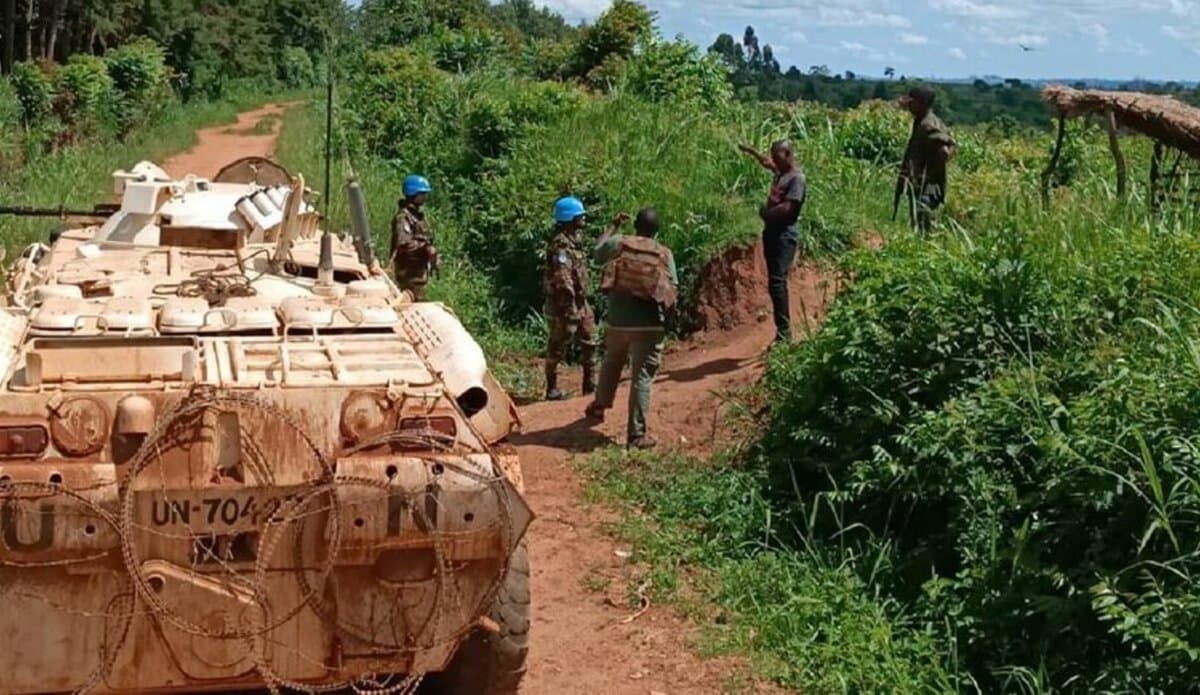
CSS is not a one‑size‑fits‑all solution; its effectiveness hinges on the degree of political consensus among the parties involved. In Tier 1 environments—where a strong, shared agreement exists, as in Bosnia or East Timor—a unified headquarters can operate with minimal caveats and enforce disciplined sequencing. Tier 2 settings, such as the eastern Democratic Republic of Congo, require the model to negotiate partial mandates while still imposing hard‑audit controls. In Tier 3 contexts like Somalia or Haiti, the lack of a common framework means no execution structure can succeed without first securing a political settlement. For policymakers and military planners, adopting CSS offers a concrete mechanism to align combat, security, and development, potentially turning costly past failures into more sustainable outcomes.
From Mandate to Execution: The Clear–Shield–Sustain Model for Contested Stabilization
Comments
Want to join the conversation?