From Shipyards Comes Seapower: Revitalizing Naval Shipbuilding
Key Takeaways
- •Design instability drives cost overruns and delays.
- •U.S. labor and steel costs 4‑6× Asian rates.
- •Jones Act shields shipyards, limiting competitive pressure.
- •GAO reports only 7 of 13 ships delivered FY2023.
- •Shipbuilding Corps would train workers and boost yard capacity.
Pulse Analysis
America’s shipbuilding decline traces back to the post‑World War I era, when the Shipping Act of 1916 briefly expanded the merchant fleet before the Great Depression shuttered yards. The Cold War era saw Japan eclipse the United States in volume, while domestic policies such as the Jones Act insulated U.S. yards from foreign competition. Coupled with labor and steel prices that are four to six times higher than in Korea or Japan, the commercial base has eroded to a mere 0.1% of global tonnage, undermining the industrial foundation needed for naval construction.
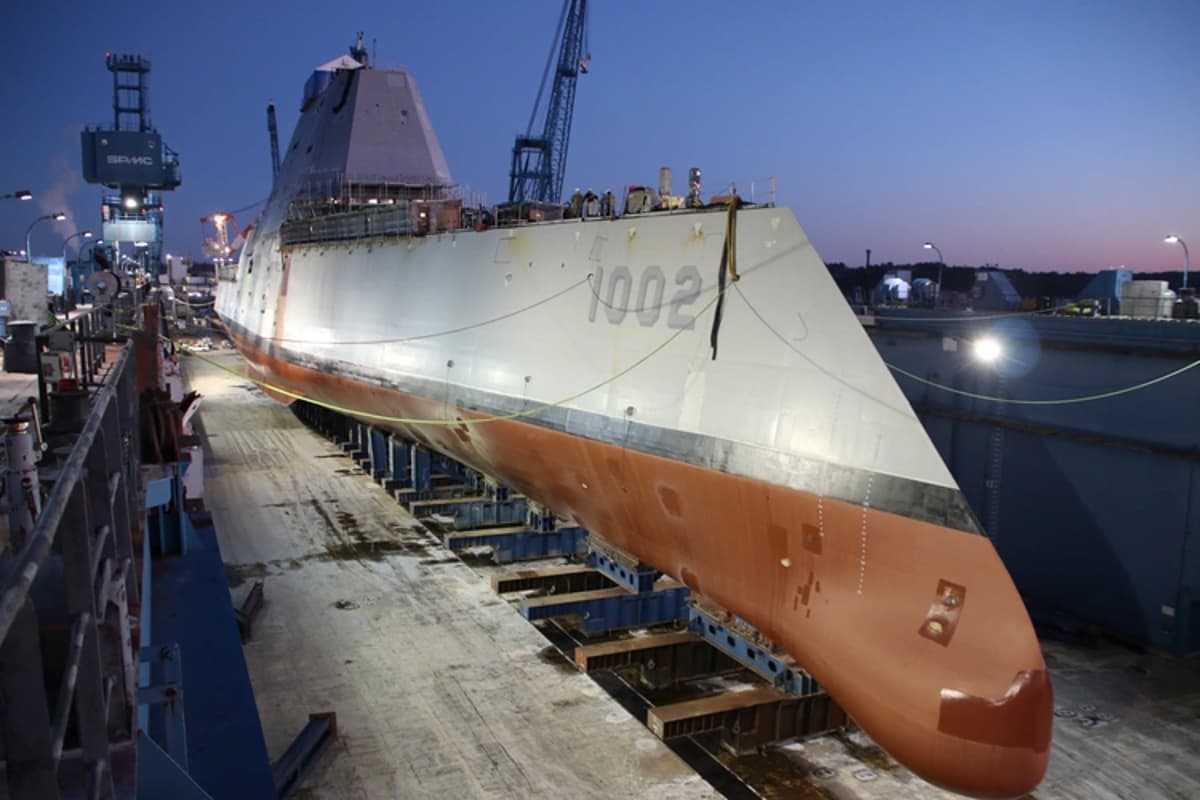
Recent GAO investigations reveal that design immaturity is the primary catalyst for cost overruns and multi‑year delays in programs like the Constellation‑class frigate and the Zumwalt destroyer. Ships enter the slipway before functional designs are frozen, prompting costly rework and schedule slippage that left the Navy delivering only seven of thirteen required vessels in FY 2023. The lack of enforceable accountability means senior officials can approve unstable baselines with limited career consequences, perpetuating a cycle of prototype‑style production rather than efficient, repeatable builds.
The proposed three‑pillar reform agenda seeks to break that cycle. By mandating design‑complete certification before steel cutting, the Navy can emulate commercial best practices that prioritize stable engineering baselines. A National Shipbuilding Corps would create a pipeline of skilled tradespeople, offering wages and apprenticeships comparable to the private sector, thereby addressing chronic labor shortages. Together, these steps promise to boost yard throughput, curb overruns, and restore the United States’ ability to field a modern fleet capable of meeting the National Defense Strategy’s maritime objectives.
From Shipyards Comes Seapower: Revitalizing Naval Shipbuilding
Comments
Want to join the conversation?