From the Studio — Everybody’s on the Ban List: Separating Espionage From Fear in the US-China Tech War
Key Takeaways
- •TP‑Link routers exploited in Chinese botnets, not built with backdoors
- •DeepSeek app routes data to China Mobile, prompting bipartisan bans
- •DJI and Autel drones passed audits yet face FCC bans
- •Anthropic labeled a national‑security risk for refusing autonomous‑weapon use
- •Broad bans risk stifling innovation and misplace security focus
Pulse Analysis
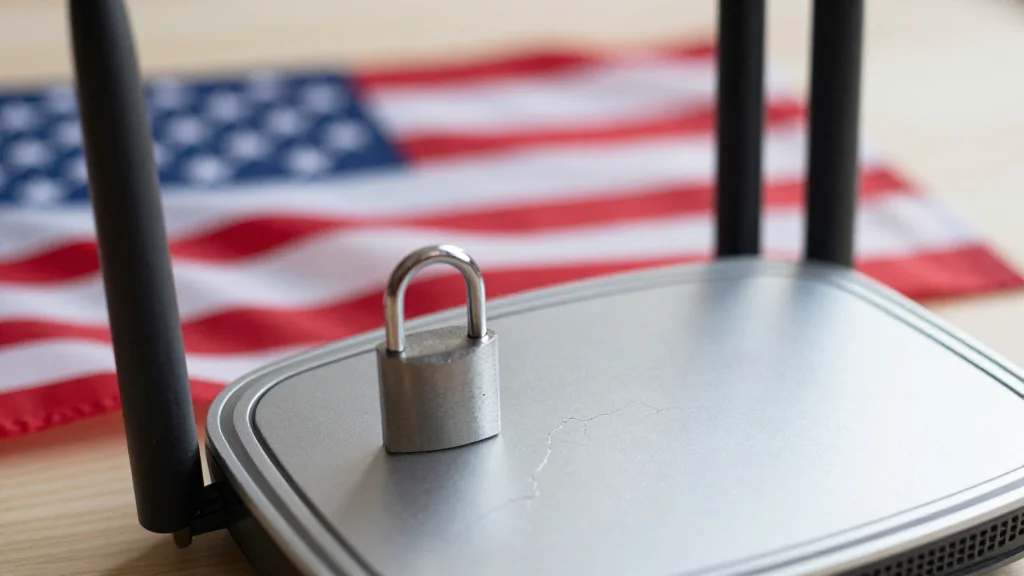
The United States’ tech war with China has moved from headline‑grabbing scare emails to a nuanced policy battlefield. Recent investigations revealed that compromised TP‑Link routers were leveraged in state‑sponsored botnets such as Volt, Flax and Salt Typhoon, exposing critical infrastructure to credential‑spraying attacks. However, the underlying issue is a systemic lack of firmware security across manufacturers worldwide, not a singular Chinese backdoor. This reality forces regulators to balance targeted mitigation with the risk of over‑banning essential networking equipment.
In the AI arena, the DeepSeek controversy provides a clear benchmark for actionable security concerns. Independent code analysis confirmed hidden routines that transmit user data to China Mobile, a sanctioned telecom entity, prompting swift bans at state and federal levels. By contrast, mainstream cloud‑based models—Google’s Gemini, OpenAI’s ChatGPT, Anthropic’s Claude—routinely send queries to servers abroad, a standard practice that raises data‑sovereignty questions but lacks covert exfiltration. The Anthropic saga underscores a new frontier: ethical AI governance. The firm’s refusal to enable fully autonomous weaponry earned it a “supply‑chain risk” label, illustrating how policy can conflate moral stance with national‑security threat.
Policymakers now face a critical choice: adopt blanket prohibitions that may cripple innovation and penalize compliant firms, or implement precise, evidence‑based assessments that differentiate genuine espionage from systemic vulnerabilities. A balanced approach would require transparent audits, clear criteria for “dangerous” behavior, and consistent treatment of domestic and foreign technologies. Such a framework can protect national interests without stifling the rapid advancement of AI and networking tools essential to the modern economy.
From the Studio — Everybody’s on the Ban List: Separating Espionage from Fear in the US-China Tech War
Comments
Want to join the conversation?