Geoeconomics of Irregular Warfare: Iran and the Global Ripple Effects — Part VI
Key Takeaways
- •Private sector tech drives new warfare economics.
- •Ukraine conflict provides real‑time innovation case study.
- •Autonomous systems level battlefield, reducing platform dependence.
- •Supply chain fragility creates strategic leverage opportunities.
- •Compressed OODA loops accelerate decision cycles.
Pulse Analysis
The Iran‑centric irregular warfare landscape is increasingly defined by economic levers rather than sheer firepower. As state actors confront budget constraints, they turn to private‑sector innovations that promise cost‑effective force multiplication. This trend mirrors broader geoeconomic shifts where defense spending is funneled through commercial supply chains, creating new profit centers for tech firms while blurring the line between civilian and military markets. For investors, the emerging ecosystem around autonomous drones, AI‑driven command systems, and resilient communications offers a frontier of high‑growth opportunities.
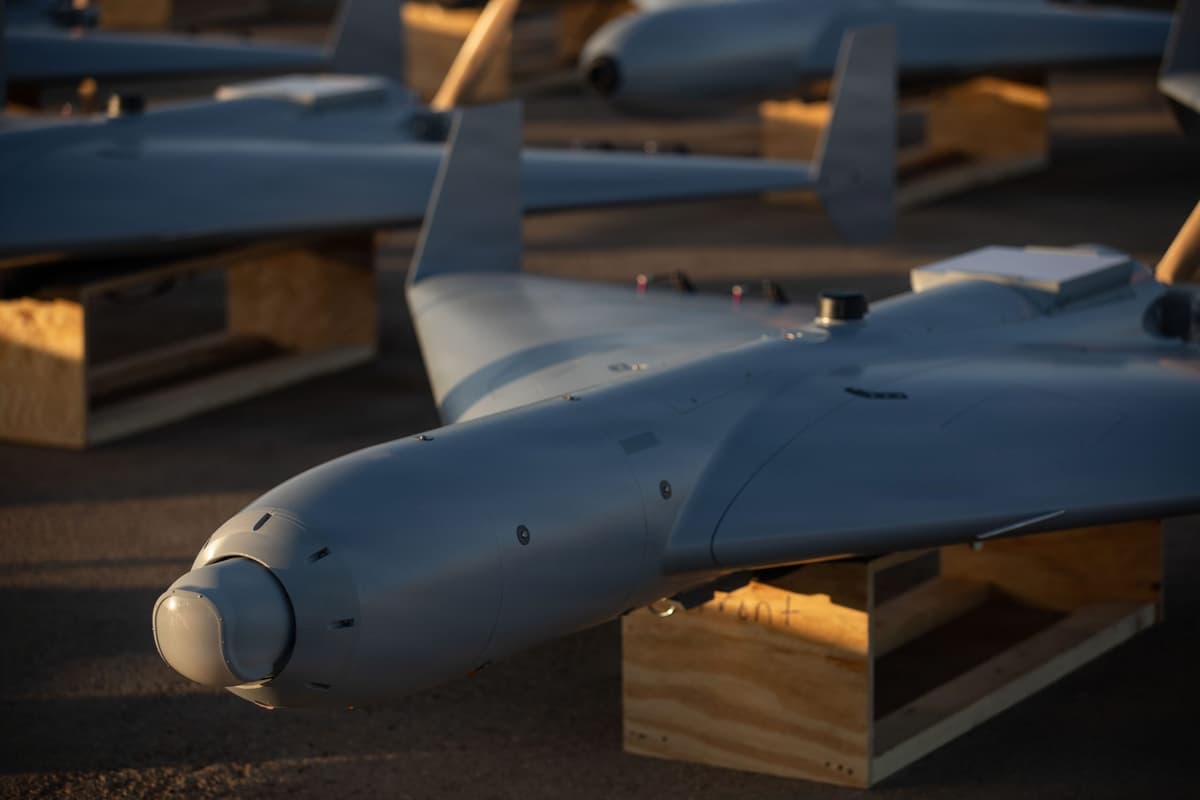
Ukraine’s ongoing conflict has become a live laboratory for these concepts, demonstrating how low‑cost unmanned combat attack system (LUCAS) drones can be fielded rapidly and at scale. The rapid adoption of autonomy has leveled the battlefield, allowing smaller actors to challenge traditional platform superiority. Lessons from Kyiv’s adaptive logistics and decentralized command structures are now informing strategies against Iran, where contested airspace and electronic warfare demand faster OODA loops and more flexible, system‑based approaches.
For the broader business community, the implications are twofold. First, supply‑chain vulnerabilities highlighted by the Iran‑Ukraine nexus compel firms to reassess risk management, investing in redundancy and digital twins to anticipate disruptions. Second, the race for autonomous capabilities is reshaping talent demand, pushing companies to acquire AI, robotics, and cyber‑resilience expertise. Stakeholders who grasp these dynamics can position themselves at the intersection of defense spending and commercial innovation, capturing value as governments prioritize resilient, system‑oriented warfare solutions.
Geoeconomics of Irregular Warfare: Iran and the Global Ripple Effects — Part VI
Comments
Want to join the conversation?