Geoeconomics of Irregular Warfare: Iran and the Global Ripple Effects — Part VII
Key Takeaways
- •Maritime seizures in Hormuz raise global oil transport costs
- •Iran leverages proxies to disrupt regional financial networks
- •Asset freezes pressure multinational firms operating in Middle East
- •Legal escalations create uncertainty for energy contracts worldwide
- •Cognitive campaigns amplify market volatility around Iranian assets
Pulse Analysis
Geoeconomic warfare has become a defining feature of modern conflicts, and Iran’s approach illustrates how state and non‑state actors can weaponize finance, law, and information. By targeting the economic lifelines of adversaries—shipping lanes, banking channels, and commodity markets—Iran blurs the line between kinetic battles and strategic coercion. This hybrid strategy forces traditional security analysts to incorporate market dynamics and legal maneuvers into threat assessments, underscoring the need for interdisciplinary expertise.
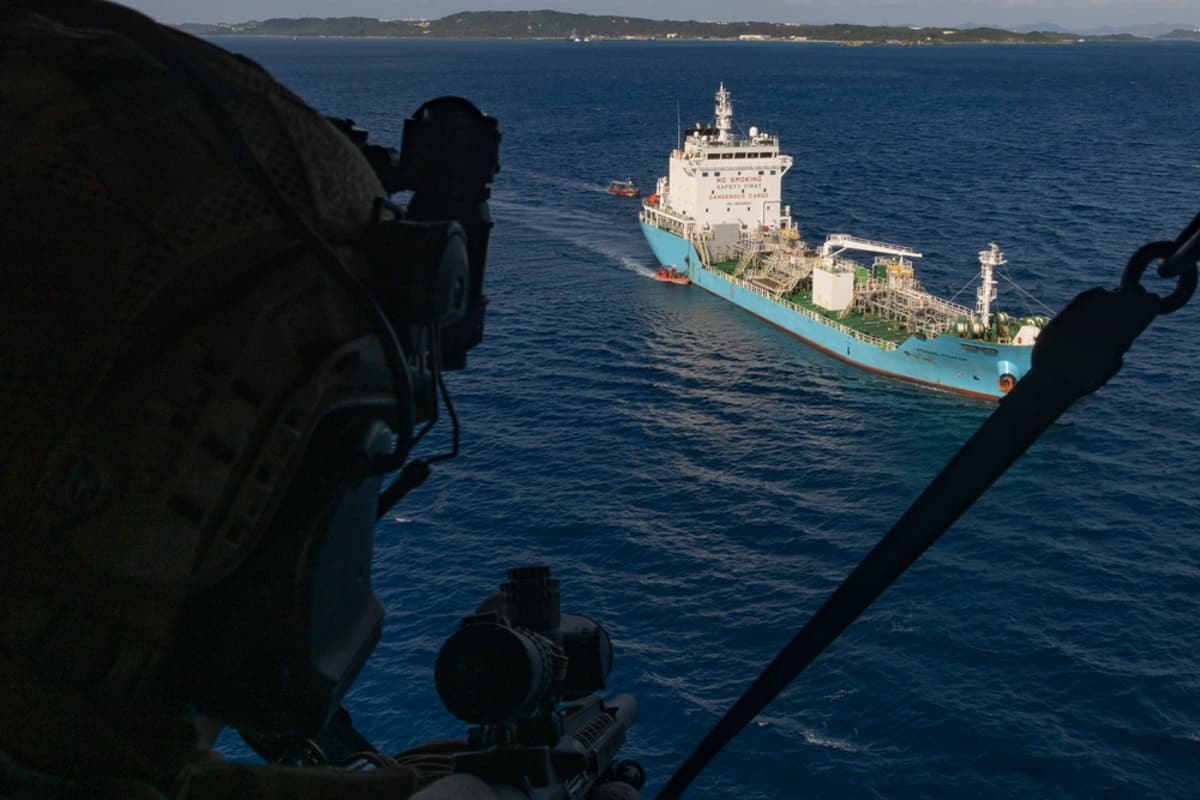
The Strait of Hormuz, through which roughly 20% of global oil passes, is now a focal point for Iran’s escalation. Maritime enforcement actions, including vessel inspections and occasional seizures, raise insurance premiums and reroute shipments, inflating transport costs for oil majors and downstream refiners. Simultaneously, asset freezes and sanctions pressure multinational corporations with regional footprints, compelling them to navigate a maze of compliance requirements while maintaining operational continuity. Iran’s proxy networks further complicate the picture by enabling indirect attacks on financial institutions and energy infrastructure, amplifying the economic shockwave.
For businesses and investors, the ripple effects are tangible. Higher shipping costs translate into elevated consumer fuel prices, while legal uncertainties deter capital flows into the Middle East. Companies must bolster risk‑management frameworks, diversify supply chains, and monitor regulatory developments closely. Policymakers, meanwhile, face the challenge of balancing deterrence with the avoidance of broader market destabilization. As Iran continues to refine its economic and cognitive tactics, the global market will likely see sustained volatility, making informed strategic planning more essential than ever.
Geoeconomics of Irregular Warfare: Iran and the Global Ripple Effects — Part VII
Comments
Want to join the conversation?