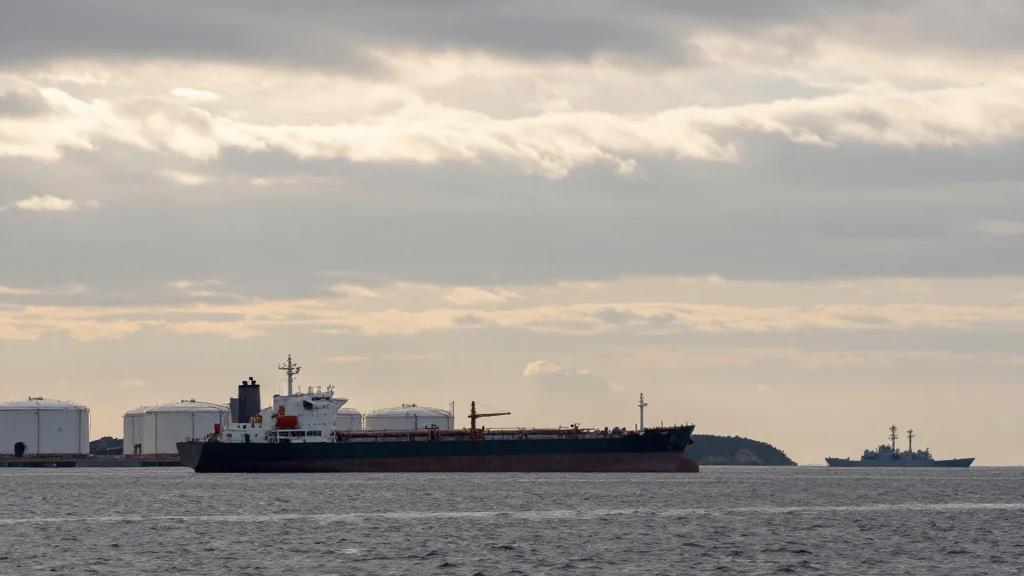
George Answers Your Questions: The Iran War and How It Ends
Key Takeaways
- •US naval blockades could cut Iranian oil revenues by billions annually
- •Destroying Kharg Island would cripple Iran's primary oil export hub
- •IRGC's reliance on Chinese supplies makes Beijing a strategic stakeholder
- •Funding shortfalls may force Iran to seek alternative financing, prolonging conflict
- •Decades-long recovery likely if oil infrastructure remains disabled
Pulse Analysis
The United States is leveraging maritime control to undermine Iran's war financing, focusing on the Strait of Hormuz and the strategic Kharg Island terminal. By restricting oil exports, Washington aims to starve the IRGC of the billions of dollars it siphons from crude sales each year. This approach mirrors past sanctions campaigns, but the added dimension of direct physical disruption raises the stakes, potentially prompting Tehran to accelerate its search for alternative revenue streams, including illicit networks and regional proxies.
China's role in the conflict is increasingly pivotal. Tehran's dependence on Chinese military hardware and logistical support means that any U.S. pressure on Iranian oil also tests Beijing's tolerance for American dominance in the Indo‑Pacific. Beijing has signaled willingness to shield Iranian shipments, yet sustained attacks on oil infrastructure could force China to weigh the cost of antagonizing the United States against its strategic partnership with Tehran. Meanwhile, global oil markets would feel the ripple effects: reduced Iranian supply could tighten crude inventories, nudging prices upward and prompting buyers to seek alternative sources, thereby reshaping trade flows.
Looking ahead, the war's trajectory hinges on whether Iran can rebuild its oil capacity. If key facilities like Kharg remain in ruins, analysts project a recovery timeline measured in decades, during which the IRGC's operational reach would be constrained. Conversely, a swift diplomatic resolution or a shift in U.S. strategy could preserve enough revenue to sustain Iran's war effort, prolonging the conflict. Stakeholders must monitor both the physical degradation of Iran's oil network and the diplomatic signals from Washington and Beijing to gauge the war's likely endgame.
George Answers Your Questions: The Iran War and How It Ends
Comments
Want to join the conversation?