Ghaleb Krame on Cartels, Drones, and Mexico’s Response
Key Takeaways
- •Cartels treat drug war as irregular warfare, not traditional crime
- •Drone use has evolved from explosives to AI‑guided targeting
- •Ukrainian and Russian ex‑military experts are advising Mexican cartels
- •State agencies lag in speed, enabling cartel operational tempo advantage
- •Integrated interagency strategy needed to close capability gap
Pulse Analysis
The interview with security analyst Ghaleb Krame underscores a fundamental re‑characterization of Mexico’s drug war. Rather than viewing cartels as conventional organized crime, Krame frames them as decentralized irregular warfare networks that mimic modern insurgent groups. His perspective is shaped by personal experience—from teenage combat in Lebanon to senior roles within Mexico’s security apparatus—giving him a rare on‑the‑ground view of how these groups exploit institutional weaknesses. This lens reveals why traditional law‑enforcement tactics have struggled to produce lasting results, as cartels continuously adapt their structures and tactics.
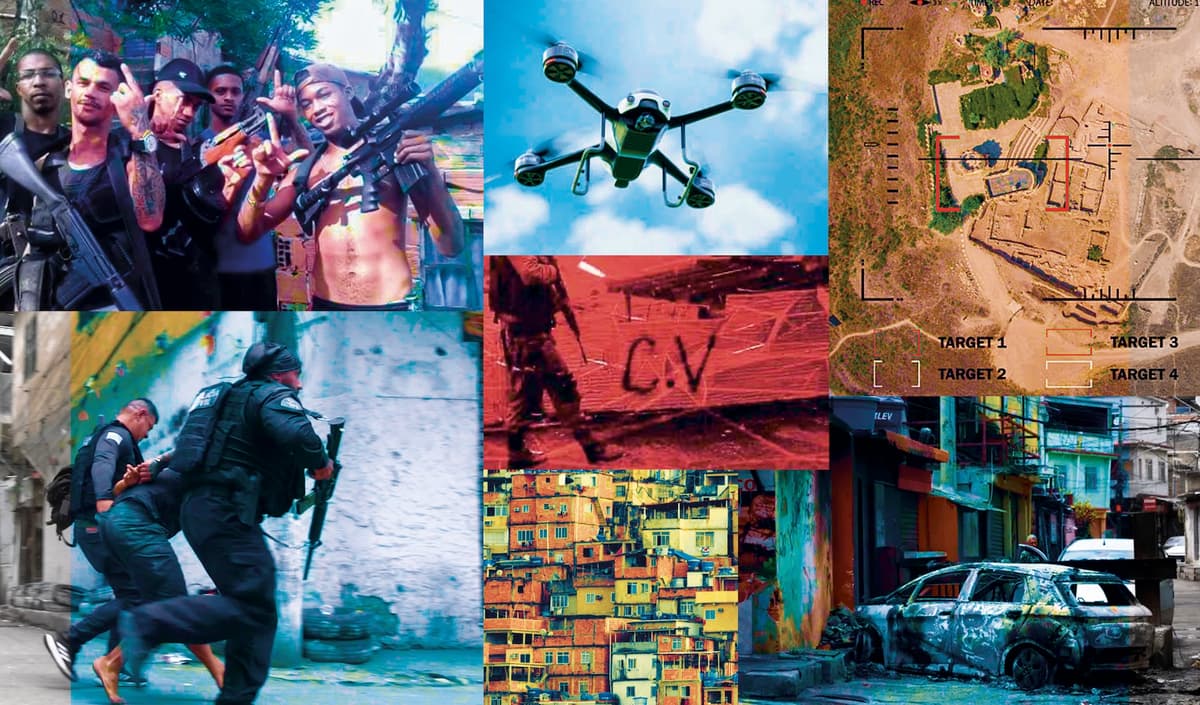
One of the most striking developments Krame discusses is the rapid integration of drone technology into cartel operations. Initially employed for improvised explosive deliveries, drones now support surveillance, psychological intimidation, and are on a trajectory toward AI‑driven targeting algorithms. The flow of expertise from the Ukraine conflict—where former Mexican soldiers and hired Russian or Ukrainian specialists share bomb‑making and drone‑control skills—accelerates this learning curve. As autonomous systems become cheaper and more accessible, cartels gain a force multiplier that extends their reach beyond traditional smuggling routes, complicating detection and response.
The core problem, Krame argues, is the tempo gap between fast‑moving cartels and sluggish state institutions. Hierarchical decision‑making, inter‑agency rivalry, and endemic corruption impede rapid intelligence fusion and decisive action. To close this gap, Mexico must adopt an integrated counter‑network strategy that mirrors the cartels’ decentralized model—leveraging joint task forces, real‑time data sharing, and flexible rules of engagement. Failure to evolve could widen the capability gap, spilling violence across borders and threatening U.S. security interests, making coordinated North‑American policy reforms a strategic imperative.
Ghaleb Krame on Cartels, Drones, and Mexico’s Response
Comments
Want to join the conversation?