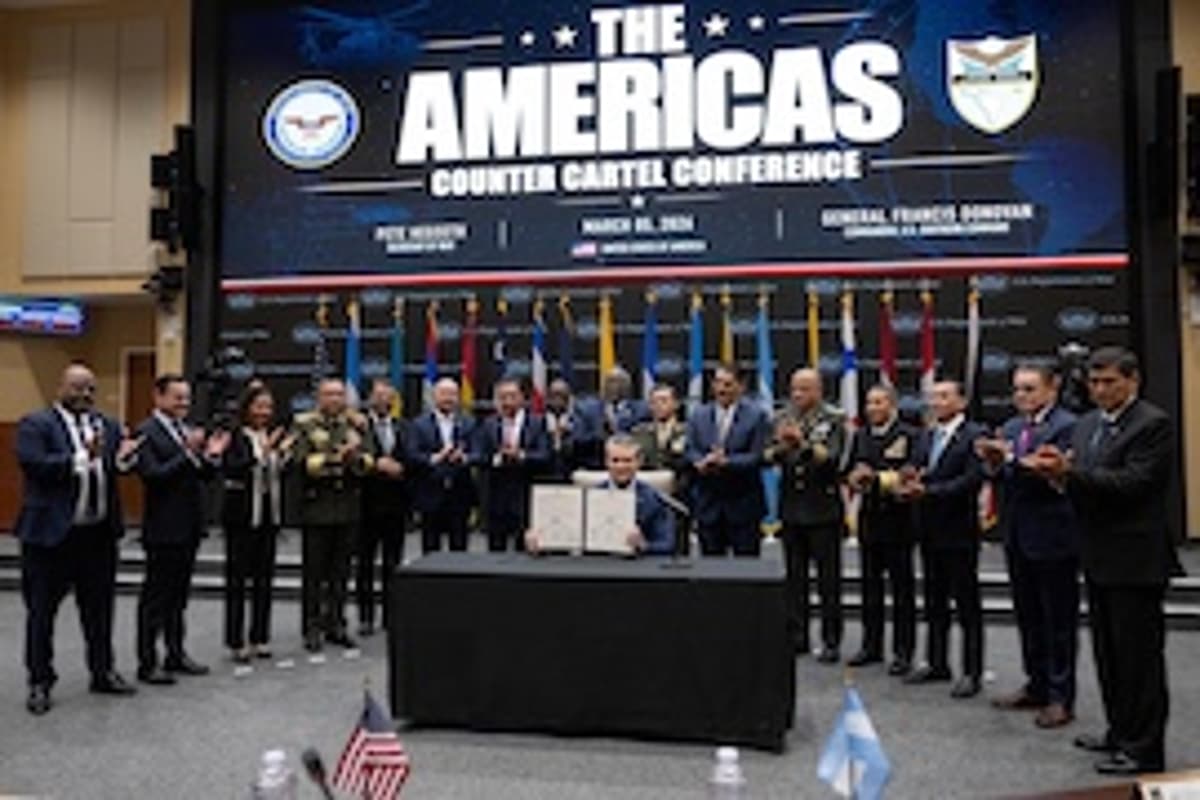
Gunboats and Cartels: The Return of Force in the Americas
Key Takeaways
- •SOUTHCOM’s 2026 posture cuts length by >60%, focusing on kinetic threats.
- •Cartels designated as foreign terrorist organizations become primary security priority.
- •China’s influence downplayed, limited to physical infrastructure concerns.
- •US pushes partners to share burden in counter‑narco operations.
- •Legal and diplomatic risks rise as lethal force becomes routine.
Pulse Analysis
The United States’ Southern Command has long operated at the intersection of military readiness and diplomatic outreach in the Western Hemisphere. Donovan’s 2026 posture statement, however, discards the expansive, development‑centric narratives of his predecessors in favor of a concise, action‑oriented blueprint. By truncating the document to 12 pages, SOUTHCOM signals that operational immediacy now outweighs strategic nuance, positioning transnational criminal groups—now labeled foreign terrorist organizations—as the central adversary. This reorientation aligns with the Trump administration’s broader push to weaponize kinetic force against narcotics networks, a trend underscored by over 45 maritime strikes since August 2025.
The recalibrated focus reshapes the calculus for regional allies. While the United States continues to emphasize partnership, the burden‑sharing language now expects partners to contribute directly to interdiction and enforcement, effectively turning local forces into extensions of US naval power. Simultaneously, China’s role is narrowed to concerns over port facilities and dual‑use technologies, reflecting a shift from viewing Beijing as a systemic competitor to treating it as a discrete, physical security risk. This nuanced repositioning may ease some diplomatic friction with Beijing but could also limit coordinated economic initiatives that have traditionally countered illicit activity.
Legal scholars warn that the routine use of lethal force raises profound questions about sovereignty, evidentiary standards, and compliance with international humanitarian law. Without transparent rules of engagement and robust accountability mechanisms, the strategy risks eroding partner confidence and fueling anti‑US sentiment. Policymakers therefore face a delicate balancing act: leveraging the short‑term gains of kinetic operations while reinvesting in institutional capacity, judicial integrity, and economic resilience across the region. A hybrid approach that couples targeted force with sustained development aid could mitigate the strategic costs of a purely militarized posture.
Gunboats and Cartels: The Return of Force in the Americas
Comments
Want to join the conversation?