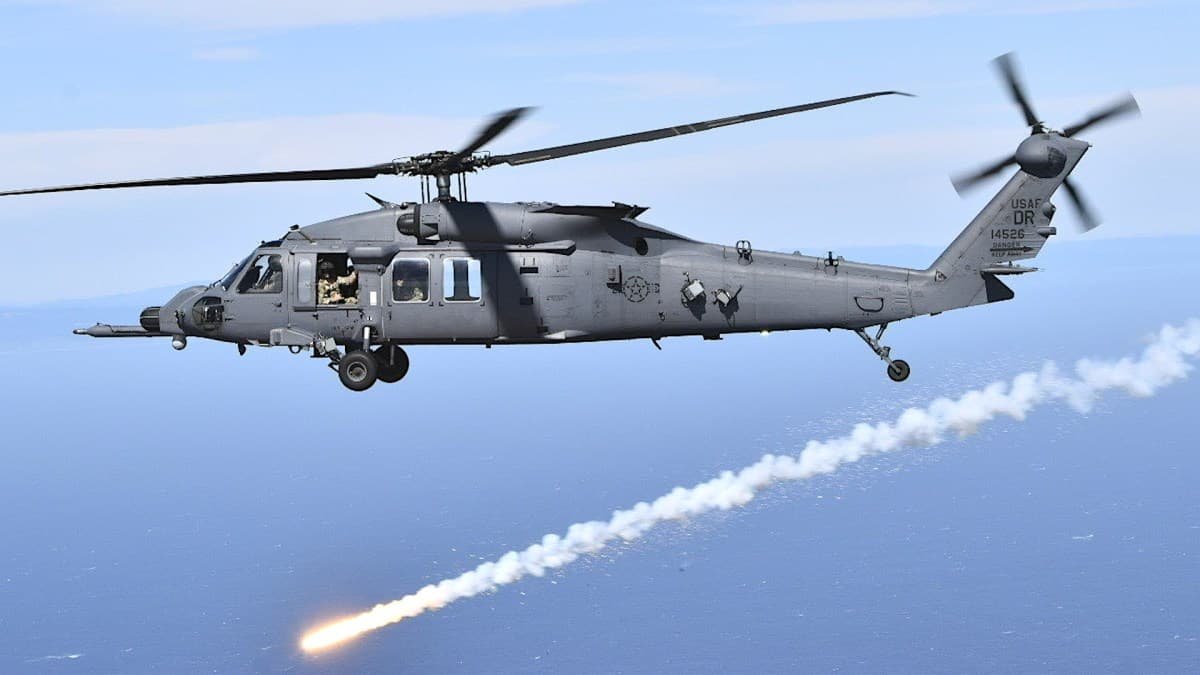
HH-60W Combat Rescue Helicopters To Take On Doomsday Evacuation Role In The Nation’s Capital
Key Takeaways
- •26 HH‑60W Jolly Green IIs will replace UH‑1Ns at Andrews.
- •Cabin reconfigured for 11 passenger seats, preserving rescue gear.
- •Integrated infrared countermeasure system to counter MANPADS threats.
- •HH‑60W’s range and aerial refuel outclass UH‑1N and MH‑139.
- •Re‑role reduces CSAR fleet by ~30%, affecting rescue capacity.
Pulse Analysis
Continuity‑of‑government (COG) planning has long required a reliable airlift platform to move senior officials quickly out of Washington, D.C., during crises. The aging UH‑1N Twin Huey fleet, which has served the Air Force District of Washington for decades, lacks the speed, range, and survivability needed for modern threats. By assigning the newer HH‑60W Jolly Green II to the AFDW mission, the Air Force gains a helicopter capable of rapid, long‑distance flights while still fitting into the densely regulated National Capital Region airspace. This shift reflects a broader trend of consolidating VIP transport and emergency evacuation under a single, more capable airframe.
The HH‑60W modifications are tailored for the unique demands of COG operations. Engineers will strip out rescue‑specific hardware such as the rescue hoist and isolated‑personnel litter, then install an 11‑seat passenger cabin that meets crash‑worthiness standards. Communications upgrades include ARC‑210 Generation 6 radios, ensuring secure links with ground and airborne assets. Crucially, the addition of an infrared counter‑measure (IRCM) system—either the Army‑managed CIRCM or Navy‑managed DAIRCM—provides a defensive layer against MANPADS, a realistic threat in contested or terrorist scenarios. Retaining aerial refueling capability further extends mission endurance, a distinct advantage over the UH‑1N and the newer MH‑139 Grey Wolf, neither of which can be refueled in flight.
While the HH‑60W brings clear operational benefits, reallocating 26 airframes—about 30% of the planned 91‑helicopter fleet—raises concerns for the Air Force’s primary CSAR mission. Fewer dedicated rescue helicopters could strain response capacity in high‑intensity conflicts where rapid personnel recovery remains critical. The Air Force’s decision to modify existing inventory rather than procure additional platforms underscores budget pressures and a cost‑effective approach, but it also signals a strategic trade‑off between domestic emergency readiness and overseas combat rescue capabilities. Coordination with other agencies, such as Marine Helicopter Squadron One and the U.S. Park Police, will be essential to ensure seamless COG execution without compromising broader rescue operations.
HH-60W Combat Rescue Helicopters To Take On Doomsday Evacuation Role In The Nation’s Capital
Comments
Want to join the conversation?