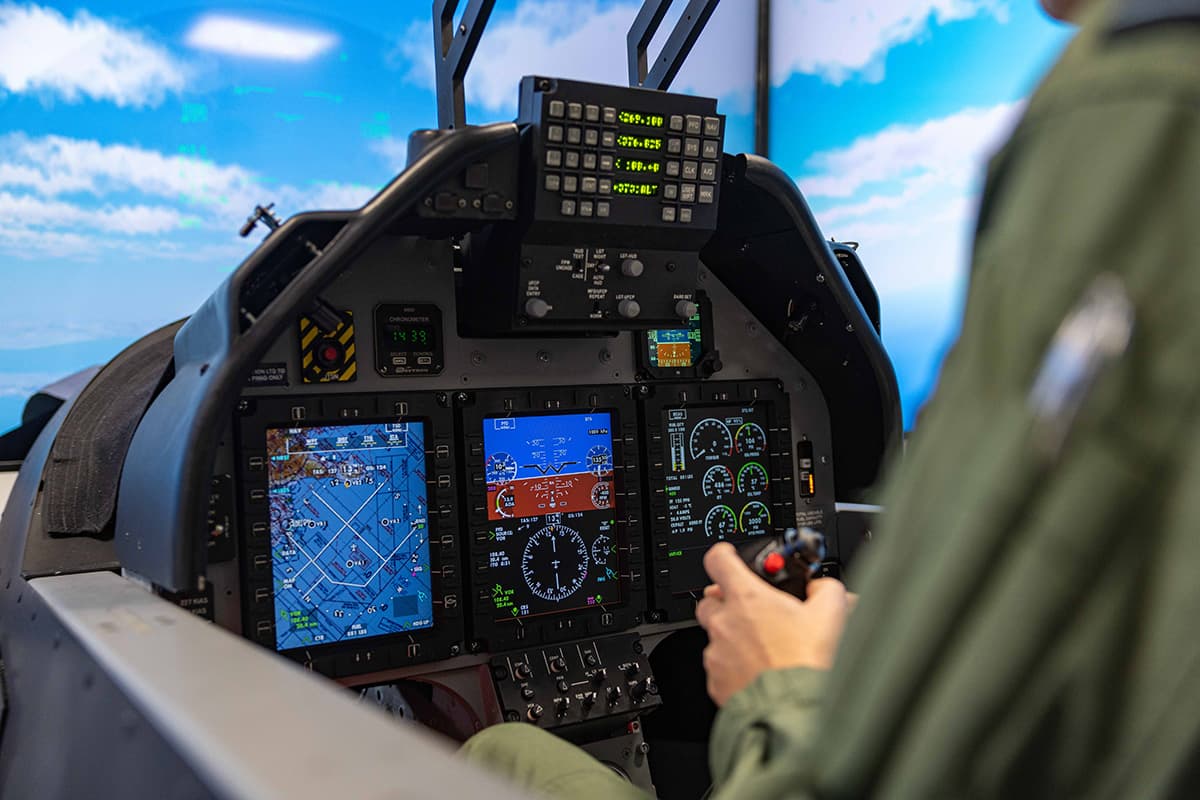
How Simulation Is Speeding up the RAF Pilot Pipeline
Key Takeaways
- •Gladiator system links RAF, Army, Navy simulators for joint training
- •Mixed reality headsets project enemy jets that fly like real aircraft
- •Training sorties reduced; one jet, pilot, instructor replace two‑jet crews
- •Layered approach progresses from desktop trainers to full mission simulators
- •Recruit pass rates improved as simulation cuts repeat flight requirements
Pulse Analysis
Synthetic training has deep roots in the RAF, dating back to a cardboard cockpit in 1910 and evolving through the first computerised simulators of the 1950s. Today, a tiered curriculum—starting with computer‑aided instruction, advancing through desktop trainers, and culminating in full‑mission simulators—compresses the learning curve by embedding procedural knowledge into the pilot’s unconscious competence. This approach not only shortens the time pilots spend mastering basic aircraft handling but also reduces the number of costly flight repetitions required to meet proficiency standards.
At the heart of the RAF’s modern training ecosystem is the Gladiator system, a networked hub that unites air, land and sea simulators across the United Kingdom and enables seamless joint exercises with French, German and U.S. partners. By sharing a common virtual battlespace, forces can rehearse complex, multi‑domain scenarios—from dogfights to low‑level navigation—without the logistical overhead of coordinating real aircraft. This interoperability enhances coalition readiness, standardises tactics, and provides a scalable platform for future allies to plug into, reinforcing the UK’s strategic defence posture.
The latest wave of mixed and augmented reality headsets pushes realism further, allowing instructors to overlay lifelike enemy jets directly into a trainee’s field of view. The practical payoff is striking: a single jet, pilot and instructor can now deliver the same training volume that previously required two aircraft and two instructors. The resulting reduction in fuel, maintenance and personnel costs, combined with higher course completion rates, signals that synthetic training will become an indispensable pillar of pilot pipelines worldwide, shaping how air forces prepare for increasingly contested skies.
How simulation is speeding up the RAF pilot pipeline
Comments
Want to join the conversation?