Hungary’s Election Is Already Paying Dividends for the EU and Ukraine. Is the U.S. Next?
Key Takeaways
- •EU approved $106 bn loan for Ukraine after Hungary's election shift
- •New Hungarian government aims to restore EU ties and lift funding blocks
- •Magyar pledges to end Russian energy by 2035, aligning with EU goals
- •Potential US engagement could reshape transatlantic policy on Russia and Ukraine
- •Russia’s ties with Hungary weaken as Kremlin distances itself from Orban
Pulse Analysis
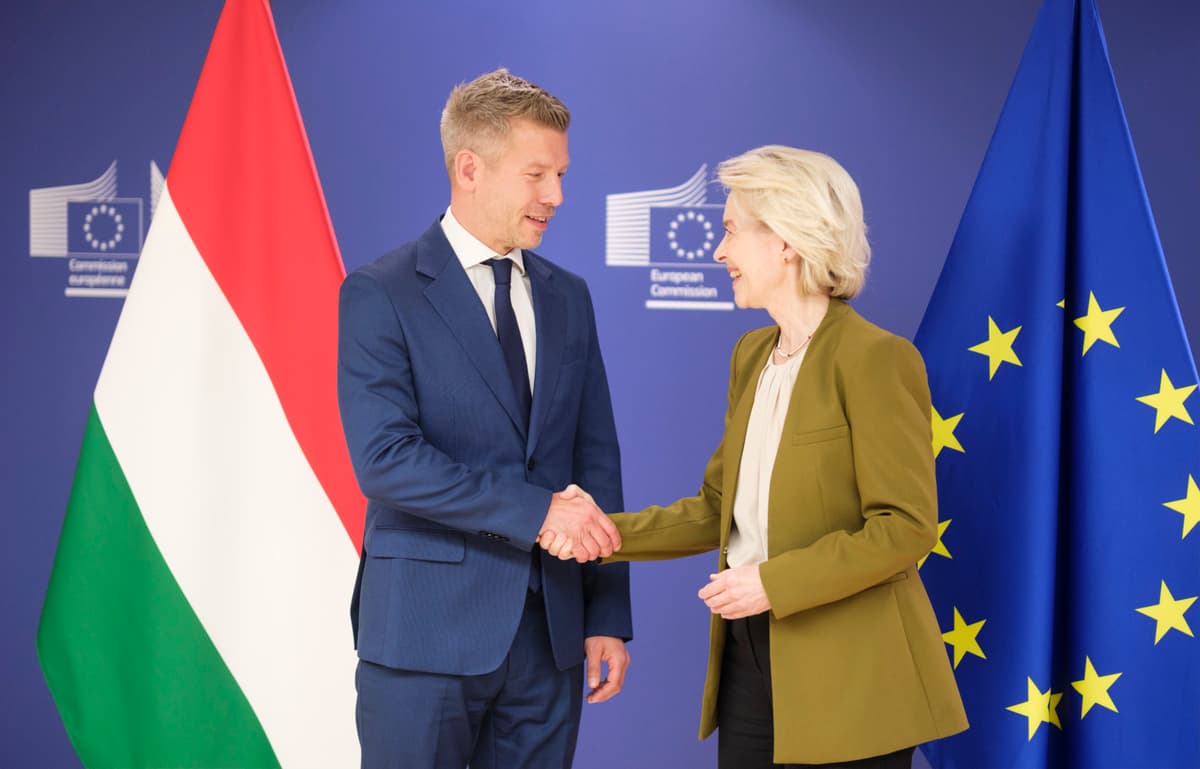
The April 12 parliamentary election in Hungary delivered a surprise victory for Peter Magyar’s TISZA party, ending Viktor Orbán’s 16‑year rule. Within days, the European Union approved a $106 billion loan for Ukraine and a 20th sanctions package against Russia, actions that had been stalled by Budapest’s previous opposition. Magyar’s win unlocked the political space needed to untangle Hungary from its long‑standing block on EU aid, allowing the loan to move forward and signaling a rapid realignment of Budapest’s foreign‑policy posture.
Magyar has pledged to repair strained relations with Brussels, a move that could release tens of billions of euros frozen under rule‑of‑law sanctions and restore Hungary’s share of EU recovery funds. Energy policy is also on the agenda: the new prime minister has spoken of phasing out Russian oil and gas by 2035, aligning with the EU’s target to end dependence by 2027 while still seeking the cheapest supplies. By supporting the EU‑backed loan to Kyiv, Budapest signals a willingness to join Western sanctions and to help sustain Ukraine’s war effort.
The United States faces a strategic choice: engage with Magyar’s pragmatic, pro‑Western agenda or risk a continuation of the previous administration’s patronage of Orbán. A timely U.S. outreach could deepen transatlantic coordination on Russian containment, energy security, and Ukraine’s reconstruction, while also offering Washington a partner for future NATO initiatives. However, Magyar’s ambiguous stance on a Ukrainian EU referendum and his cautious language on Russian energy imports suggest that diplomatic incentives will be needed to cement a reliable alliance. The next weeks will test whether Budapest can become a bridge between Europe and Washington.
Hungary’s Election Is Already Paying Dividends for the EU and Ukraine. Is the U.S. Next?
Comments
Want to join the conversation?