In Which My Senator Tries to Explain to Me Why He Voted Against Providing Military Aid to Israel
Key Takeaways
- •Senate rejected S.J. Resolution 32, 59-40 vote.
- •Durbin voted to block aid but both measures failed.
- •Humanitarian aid to Gaza rose after 2025 ceasefire.
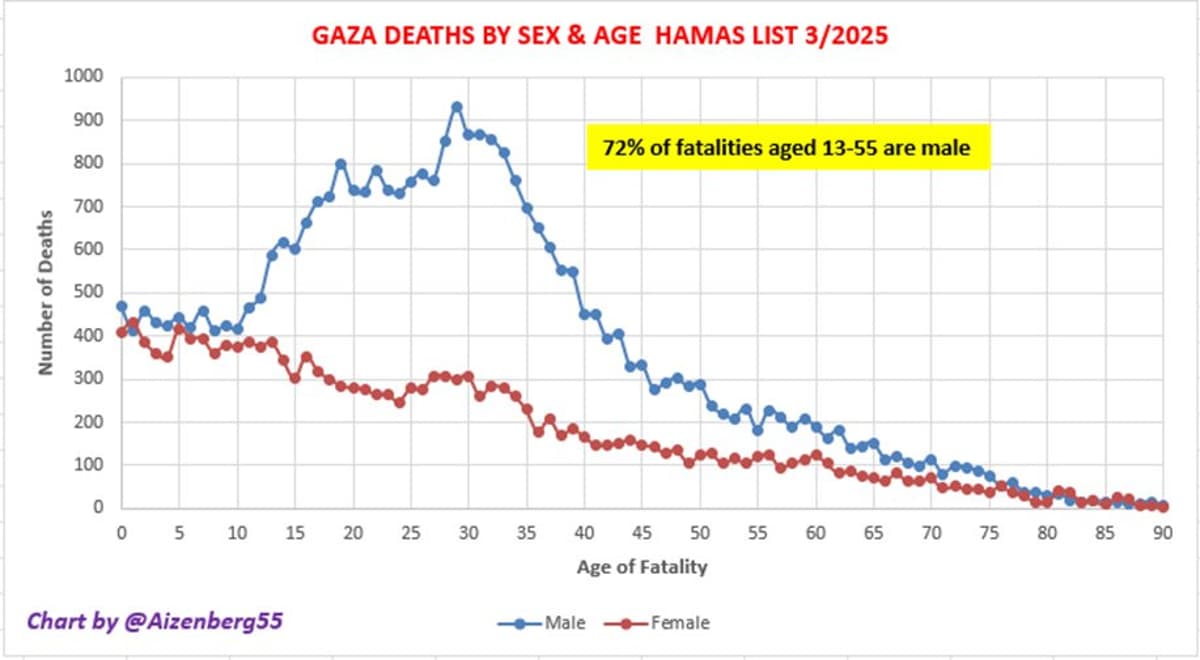
- •70% women‑and‑children casualty claim has been retracted.
- •Democratic split on Israel aid influences 2026 Senate contests.
Pulse Analysis
The Durbin exchange illustrates a growing tension in Washington between strategic security commitments and rising humanitarian scrutiny. While the Senate overwhelmingly rejected the Sanders‑led resolution to halt billions in weapons sales to Israel, a core group of Democrats—including Durbin—used their votes to signal disapproval of the war’s civilian toll. Their stance reflects a broader shift among lawmakers who, facing an increasingly vocal electorate, are demanding tighter oversight of foreign‑military assistance, especially when conflict zones generate contentious casualty data.
Humanitarian considerations have become a political lever as the 2025 Gaza ceasefire unlocked a massive logistics effort, delivering an estimated 600 truckloads of food, water and medical supplies daily. Durbin’s letter cites these deliveries to argue that the United States can continue funding life‑saving aid while pressuring Israel to ease operational restrictions. Yet the debate is muddied by disputed statistics; the widely reported figure that 70% of Gaza deaths were women and children has been retracted, prompting critics to question the accuracy of the humanitarian narrative used to justify policy shifts.
Looking ahead, the split within the Democratic caucus over Israel aid could reshape the 2026 Senate contests, especially in states like Illinois where Durbin’s seat will be open. Candidates may leverage the aid controversy to court voters concerned about both national security and human rights, forcing the party to balance its traditional pro‑Israel stance with emerging demands for accountability and transparent aid mechanisms. This dynamic highlights how foreign‑policy votes are increasingly intertwined with domestic electoral calculus.
In which my Senator tries to explain to me why he voted against providing military aid to Israel
Comments
Want to join the conversation?