Key Takeaways
- •Iran retains ~70% of pre‑war missile stockpile
- •30 of 33 missile sites rebuilt along Strait of Hormuz
- •U.S. interceptor stocks depleted, lasting only a month
- •Deep underground facilities hindered U.S. damage assessment
- •Iranian units operate autonomously without command networks
Pulse Analysis
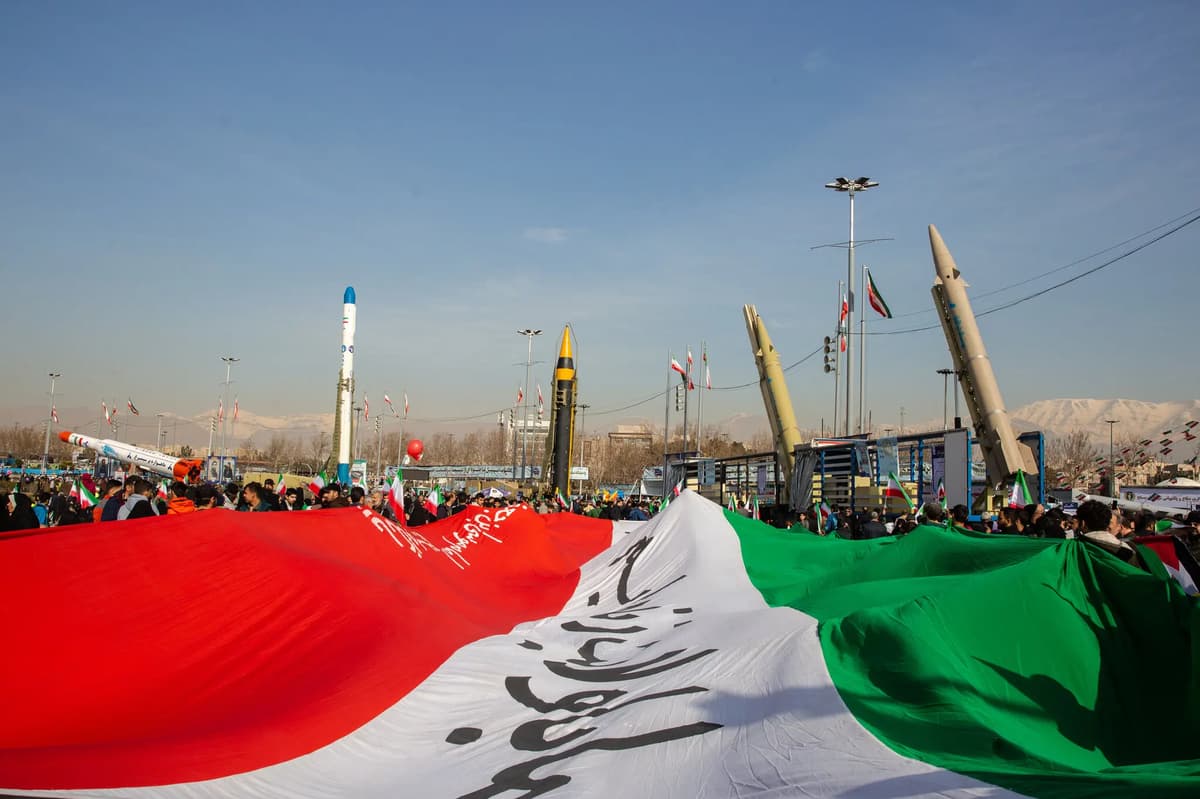
The latest classified assessments, disclosed by the New York Times and corroborated by CNN, reveal a stark disconnect between the Trump administration’s public narrative and on‑the‑ground reality. While officials have repeatedly touted Operation Epic Fury as a decisive blow to Iran’s missile forces, intelligence analysts now estimate that roughly seven‑tenths of the original arsenal remains functional. This revelation not only undermines political messaging but also forces policymakers to confront a more complex threat environment in the Persian Gulf.
Iran’s ability to retain and rapidly rebuild its missile infrastructure stems from two strategic advantages. First, decades of investment in deep, redundant underground silos make conventional aerial bombardment ineffective, limiting the U.S. ability to conduct accurate post‑strike damage assessments. Second, Iranian missile units have adapted to operate on commander’s intent, allowing them to continue missions even when traditional command‑and‑control networks are disrupted. These factors collectively enable Tehran to sustain a credible strike capability that can target both the Strait of Hormuz and critical Gulf oil and gas infrastructure.
For the United States, the intelligence gap translates into an urgent operational dilemma. U.S. interceptor inventories have been exhausted at rates that would have lasted only a month under current consumption, leaving a defensive void as Iran restores its launch sites. This imbalance compels Washington to accelerate replenishment of missile defense assets and reassess force posture in the region. Failure to address the shortfall could embolden Iranian aggression and destabilize global energy markets, underscoring the strategic imperative of aligning public statements with intelligence realities.
Intel Suggests Iran’s Missiles Aren’t Gone
Comments
Want to join the conversation?