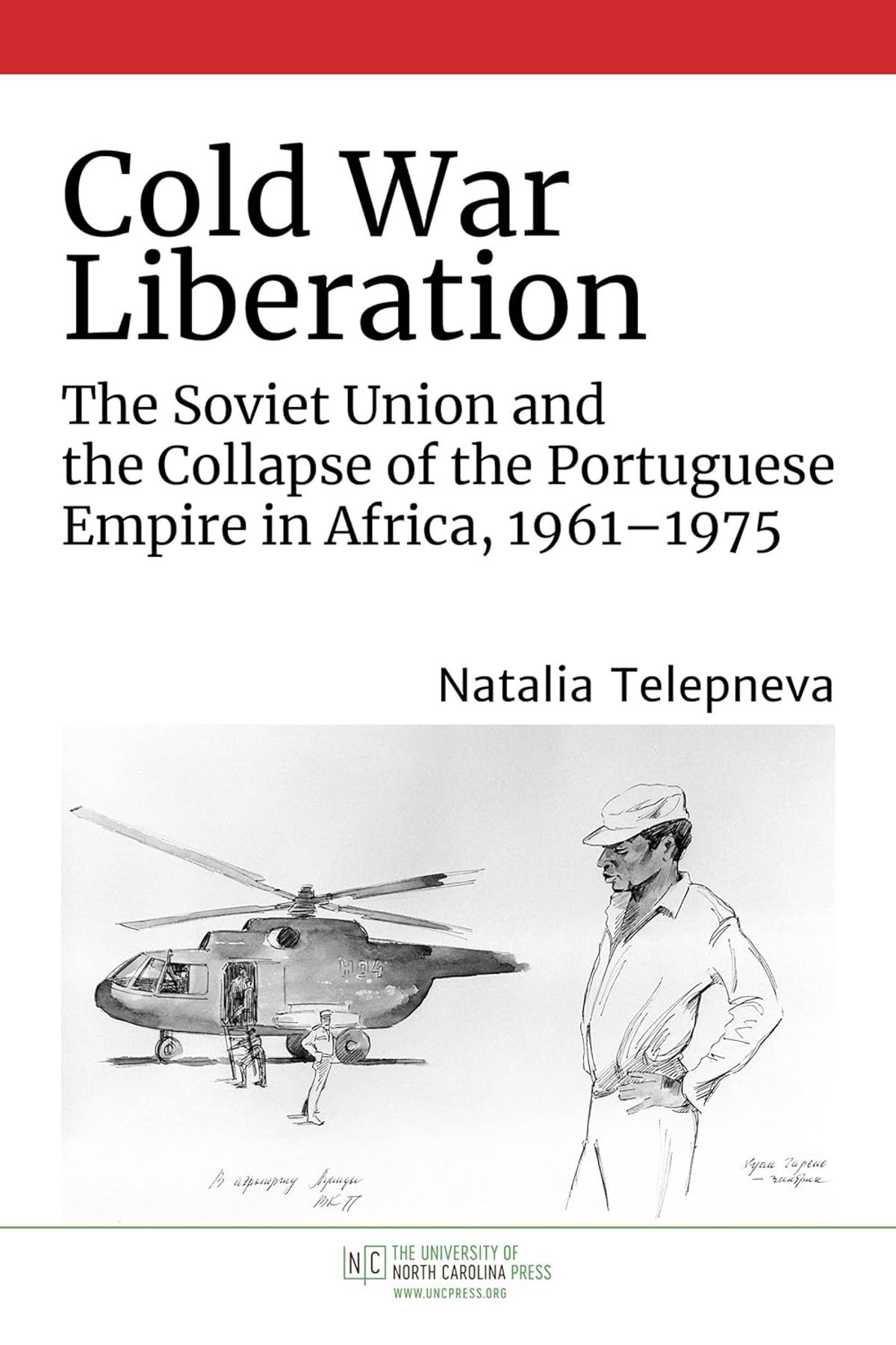
Intermediaries of Liberation: Soviet Bureaucrats and the Cold War in Africa
Key Takeaways
- •Soviet mid-level bureaucrats drove policy in 1960s‑70s African decolonization.
- •Khrushchev’s Africa push created a new bureaucratic elite seeking influence.
- •Soviet aid to Angola cost ~ $36 million, fueling Cold War tensions.
- •Ideological zeal turned into costly interventions, causing famine in Ethiopia.
- •Modern Russian ‘Africa Corps’ mirrors Cold War tactics for resources.
Pulse Analysis
During the early 1960s the Soviet Union shifted from a Euro‑centric focus to courting newly independent African states. Mid‑level officials from the Foreign Ministry, the CPSU International Department, the GRU and the KGB—collectively known as *mezhdunarodniki*—used personal relationships and Marxist‑Leninist rhetoric to persuade Moscow to act. Their advocacy turned ideological solidarity into concrete assistance, laying the groundwork for a Soviet presence that would outlast the Cold War itself.
The most consequential outcomes appeared in Angola and Ethiopia. Between 1976 and 1988 the USSR shipped roughly 3.4 billion rubles—about $36 million—to Angola, while Ethiopia became the second‑largest Soviet foreign‑aid project. These inflows financed guerrilla warfare, entrenched client regimes, and sparked corruption scandals such as the Dos Santos family’s wealth accumulation in Angola. In Ethiopia, misguided land reforms and relentless military support contributed to a man‑made famine that claimed over one million lives, underscoring how ideological ambition can translate into humanitarian disaster.
Today’s Russian “Africa Corps” echoes the Cold War playbook: low‑level operatives embed themselves with African leaders, trade security services for mineral concessions, and secure basing rights. Telepneva’s research suggests that the decisive factor is not grand strategy but the calculations of on‑the‑ground actors. Recognizing this continuity helps analysts anticipate where Russian influence will concentrate and informs Western policymakers seeking to counter resource‑driven interference without repeating past missteps.
Intermediaries of Liberation: Soviet Bureaucrats and the Cold War in Africa
Comments
Want to join the conversation?