Iranian Kurds as a Strategic Lever in a Changing Republic | Irregular Warfare Center
Key Takeaways
- •Iranian Kurds have organized networks despite Iranian pressure on Iraqi Kurdistan
- •Western support can focus on digital security, medical aid, and forensic tools
- •Engagement must exclude designated terrorist groups and respect Turkey’s security concerns
- •Israel could indirectly weaken IRGC threats to Kurdish regions under U.S. coordination
Pulse Analysis
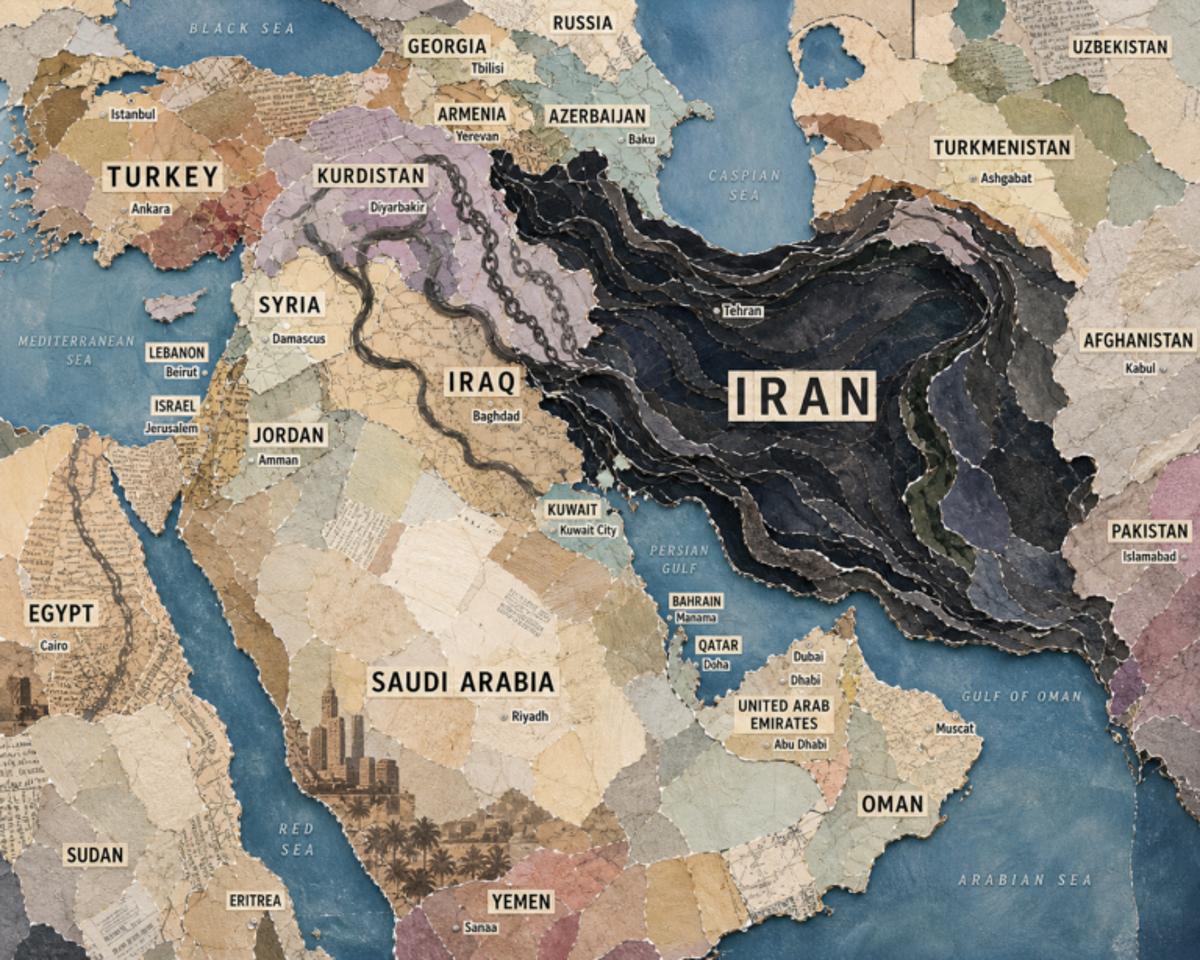
The Kurdish question in Iran has moved from a peripheral ethnic issue to a central strategic consideration for Washington and its allies. Recent uprisings, sparked by the Kurdish women’s movement, have exposed Tehran’s reliance on heavy‑handed security responses, resulting in thousands of deaths and deepening mistrust among Kurdish populations. This volatile backdrop, combined with Iran’s fraught nuclear negotiations and the ever‑present risk of a broader regional clash, makes Kurdish actors a potential lever for shaping Tehran’s future political architecture.
Policy experts now argue that the most prudent Western approach is to invest in Kurdish civil society rather than overt military cooperation. Providing digital‑security tools, medical assistance, and forensic documentation capabilities can empower human‑rights defenders while keeping engagement discreet through Erbil and multilateral frameworks. Parallel diplomatic channels should invite established Kurdish parties—such as the PDKI, Komala, and PJAK—into inclusive dialogues, provided they are not linked to designated terrorist groups. Any shift toward armed partnership would require strict human‑rights safeguards, unified command structures, and careful deconfliction with Turkey, whose own Kurdish concerns remain highly sensitive.
The broader strategic calculus also involves Israel’s indirect role. Under U.S. coordination, Israeli efforts to degrade IRGC capabilities that threaten Kurdish regions can reshape the security environment without exposing Kurdish actors to political stigma. By positioning Kurdish autonomy as a stabilizing factor within a future Iranian constitutional framework, the West can cultivate a low‑cost, high‑leverage tool for regional resilience, crisis readiness, and a potential diplomatic pathway that balances Tehran’s internal pressures with external geopolitical interests.
Iranian Kurds as a Strategic Lever in a Changing Republic | Irregular Warfare Center
Comments
Want to join the conversation?