Is the Government Using Counterterrorism Surveillance Tools to Surveil American Companies?
Key Takeaways
- •Section 702 data can be repurposed for immigration enforcement
- •Parallel construction hides intelligence origins from workers and employers
- •Businesses face unreviewable raids that can cost multi‑million dollars
- •Oversight bodies weakened, leaving little check on Section 702 misuse
- •Congress must clarify limits before reauthorizing the surveillance authority
Pulse Analysis
Section 702, originally designed for foreign‑intelligence collection, permits the warrantless acquisition of communications from non‑U.S. persons abroad. The law’s incidental collection clause means that any American who contacts someone overseas is swept into the data pool, creating a vast repository of domestic information that falls outside traditional criminal‑investigation safeguards. The 2024 Reforming Intelligence and Securing America Act broadened the statute’s scope, embedding a vague requirement for agencies to "vet" all non‑U.S. persons processed for U.S. travel, a language that can be stretched to encompass undocumented workers already on American soil.
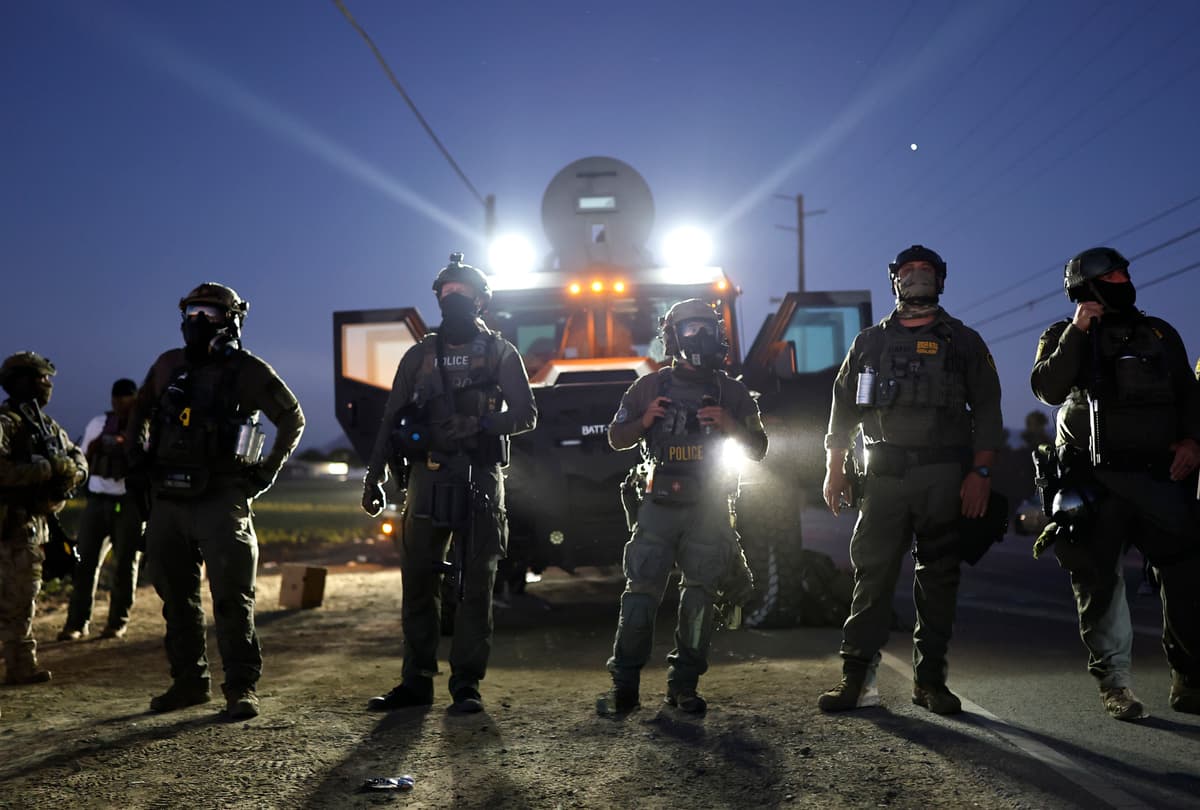
Law‑enforcement entities such as ICE can now query Section 702 databases using identifiers like phone numbers or email addresses linked to immigrant employees. The resulting intelligence—exact locations, work schedules, co‑worker contacts—feeds directly into immigration raids, but the source is concealed through parallel construction. By attributing the tip to an anonymous informant or routine observation, agencies avoid disclosing the foreign‑intelligence origin, denying both workers and employers any chance to challenge the search. For businesses, the fallout is severe: sudden loss of dozens of employees, production shutdowns, and multi‑million‑dollar revenue hits, all while the constitutional right to be free from unreasonable searches remains untested in court.
Oversight of this practice is fragmented. The Foreign Intelligence Surveillance Court reviews procedures, not individual targeting decisions, and the Privacy and Civil Liberties Oversight Board lost its quorum in early 2025, limiting independent scrutiny. As Section 702 approaches reauthorization, lawmakers face a critical choice: tighten statutory language to prohibit domestic law‑enforcement use, mandate disclosure to targets, and restore robust oversight, or allow the surveillance net to continue expanding into routine immigration enforcement. Companies should proactively seek transparency, consider litigation to pierce the veil of parallel construction, and lobby for clear legislative safeguards that preserve both national security and constitutional rights.
Is the Government Using Counterterrorism Surveillance Tools to Surveil American Companies?
Comments
Want to join the conversation?