Key Takeaways
- •Washington's five core war objectives remain unmet after 60 days
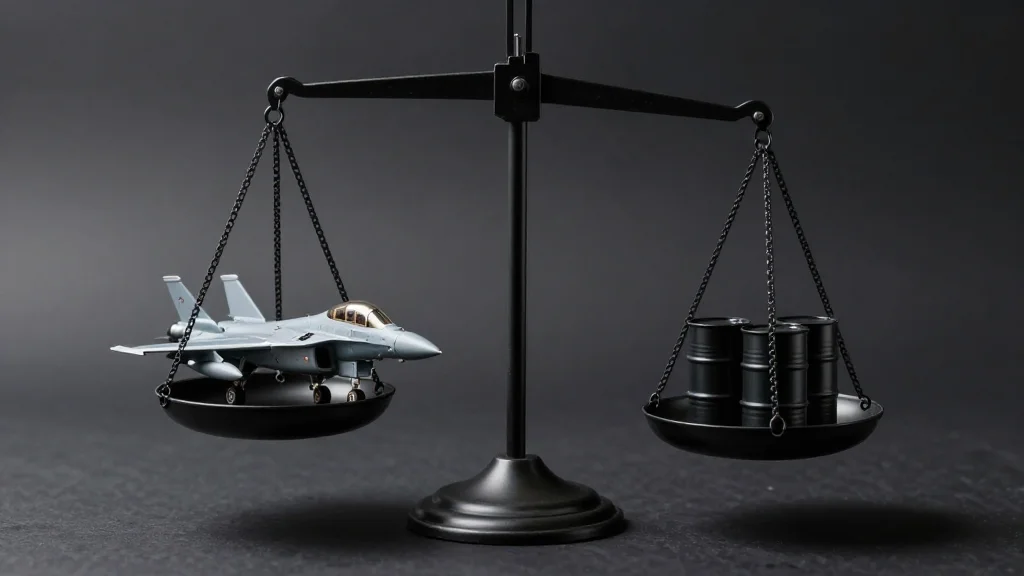
- •Oil price spikes pressure US fiscal and strategic calculations
- •Key allies are pursuing independent policies, reducing US leverage
- •Failure to achieve goals may reshape US foreign‑policy paradigm
Pulse Analysis
The United States entered the current conflict with a clear set of strategic aims, ranging from regime change to nuclear rollback. Professor Robert Pape, known for his work on escalation dynamics, points out that none of these objectives have materialized after two months. This gap between ambition and reality highlights a classic escalation trap, where initial optimism gives way to costly, protracted engagement without decisive outcomes.
Compounding the strategic deadlock are soaring oil prices that strain both the American budget and global markets. As energy costs climb, the fiscal burden of sustained military operations becomes more pronounced, prompting policymakers to weigh domestic pressures against foreign commitments. Simultaneously, traditional allies are charting their own courses—some seeking diplomatic overtures with the adversary, others limiting support—thereby diluting Washington’s leverage and signaling a shift toward a more multipolar decision‑making environment.
The broader implication is a potential reconfiguration of U.S. global leadership. If the pattern of unmet objectives persists, it could echo the systemic weaknesses that hastened the Soviet Union’s collapse, prompting a reevaluation of America’s role as the world’s primary security guarantor. Analysts warn that such a pivot may lead to a more fragmented international order, where regional powers fill vacuums left by a retreating United States, reshaping trade, defense, and diplomatic landscapes for years to come.
Is the US collapsing like the USSR?
Comments
Want to join the conversation?