Key Takeaways
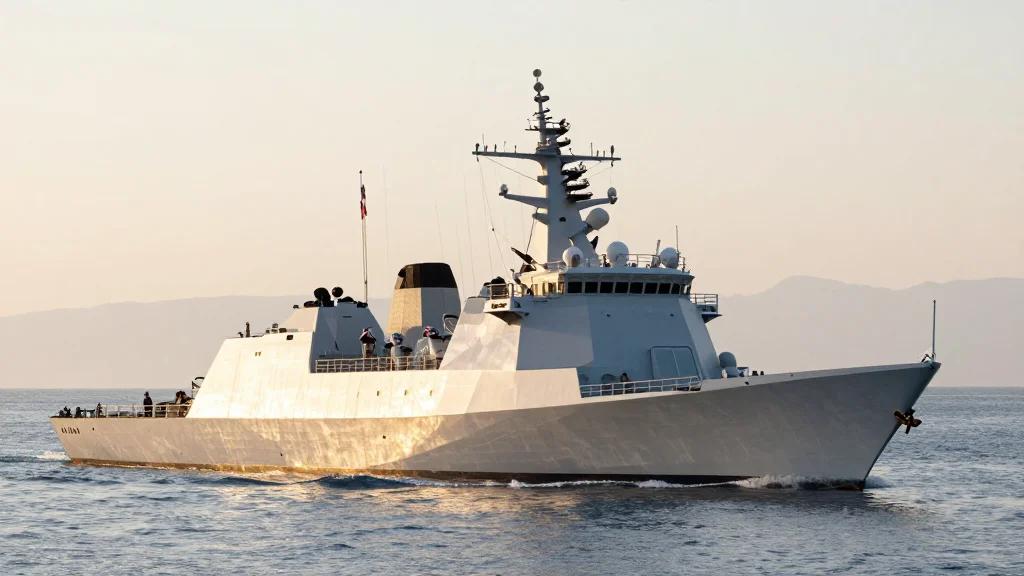
- •Australia orders 11 Japanese-built frigates, boosting its navy
- •Japan and Australia both raised defense budgets to record levels
- •Deal reflects shifting U.S. focus toward the Western Hemisphere
- •Strengthened ties aim to secure the first island chain
- •New alliance could reshape Pacific power balance amid US‑China talks
Pulse Analysis
The frigate contract marks a watershed moment for Japan‑Australia security ties, coming at a time when both governments have announced the largest peacetime defense budget increases in their recent histories. By procuring advanced Aegis‑equipped vessels from Japan, Australia not only modernizes its surface fleet but also creates a platform for joint training, logistics sharing, and interoperable command structures. This procurement dovetails with Japan’s own shift toward a more proactive maritime posture, underscoring a mutual recognition that regional stability now depends on allied capabilities rather than sole U.S. guarantees.
Strategically, the deal reinforces the so‑called first island chain—a series of islands stretching from Japan through Taiwan, the Philippines, and down to Australia—that has long been a cornerstone of U.S. Pacific strategy. With China’s growing naval presence, securing these sea lanes is critical for global trade and for any potential conflict scenario. Japan’s new frigates, equipped with sophisticated radar and missile systems, complement Australia’s expanding blue‑water reach, enabling a coordinated response to any attempts to disrupt shipping through the South China Sea or the Strait of Malacca. The partnership therefore serves as a bulwark against coercive actions that could threaten the predictability of maritime commerce.
Looking ahead, the Japan‑Australia alliance signals a broader re‑ordering of the Indo‑Pacific as Washington appears to prioritize the Western Hemisphere. As U.S.–China diplomatic overtures progress, regional powers are positioning themselves to fill any security vacuum. The combined naval capabilities of Japan and Australia could shape future multilateral frameworks, influencing everything from joint exercises to intelligence sharing. In this emerging landscape, the frigate deal is both a practical procurement and a symbolic statement: the Pacific’s security architecture is evolving, and Japan and Australia are at its forefront.
Japan, Australia and a New Regional Order
Comments
Want to join the conversation?