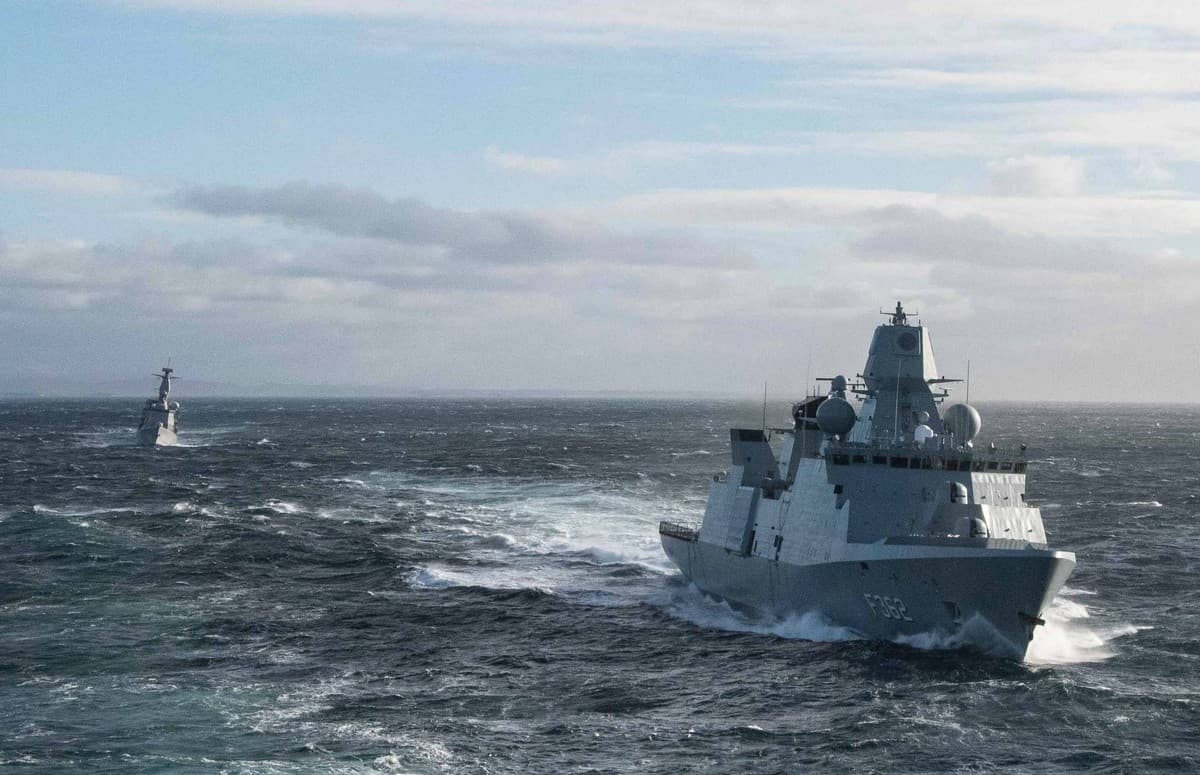
JEF Developing Capabilities to Protect Sea Infrastructure
Key Takeaways
- •JEF creates concepts for maritime domain awareness, intel sharing, rapid response.
- •Nordic Warden system tracks threats after January 2025 Baltic cable damage.
- •System handed to NATO's Baltic Sentry initiative for broader coverage.
- •Ten-nation force operates alongside NATO, focusing on Atlantic and North Sea assets.
- •Protection of cables/pipelines supports economic stability and communications security.
Pulse Analysis
Undersea cables and pipelines form the hidden backbone of global communications and energy flow, carrying trillions of dollars in data and fuel each year. Their vulnerability to sabotage, espionage, or accidental damage has risen as state and non‑state actors develop sophisticated underwater capabilities. By prioritising maritime domain awareness and intelligence sharing, the Joint Expeditionary Force is positioning itself to detect anomalies early, a crucial step in preventing disruptions that could cascade through financial markets and critical services.
The JEF’s operational concepts are being tested through the Nordic Warden system, a UK‑led rapid‑reaction platform launched after the January 2025 Baltic cable incident. This system integrates satellite tracking, sonar networks and AI‑driven threat analysis to monitor the so‑called "shadow fleet" of vessels that could threaten subsea assets. Handing Nordic Warden over to NATO’s Baltic Sentry initiative expands its reach, allowing allied forces to share real‑time data and coordinate responses across the North Sea and Atlantic corridors. Such interoperability ensures that any emerging threat is met with a unified, swift countermeasure, reducing the window for potential sabotage.
For policymakers and industry leaders, the JEF’s enhanced capabilities signal a shift toward proactive defence of maritime infrastructure. By embedding rapid‑deployment forces within a multinational framework, the UK and its partners can deter hostile actions before they materialise, safeguarding supply chains and digital communications. As the geopolitical landscape evolves, continued investment in undersea security will likely become a benchmark for allied readiness, encouraging further collaboration on sensor technologies, legal frameworks, and joint training exercises. This collective approach not only protects critical assets but also reinforces the economic stability that depends on uninterrupted undersea connectivity.
JEF developing capabilities to protect sea infrastructure
Comments
Want to join the conversation?