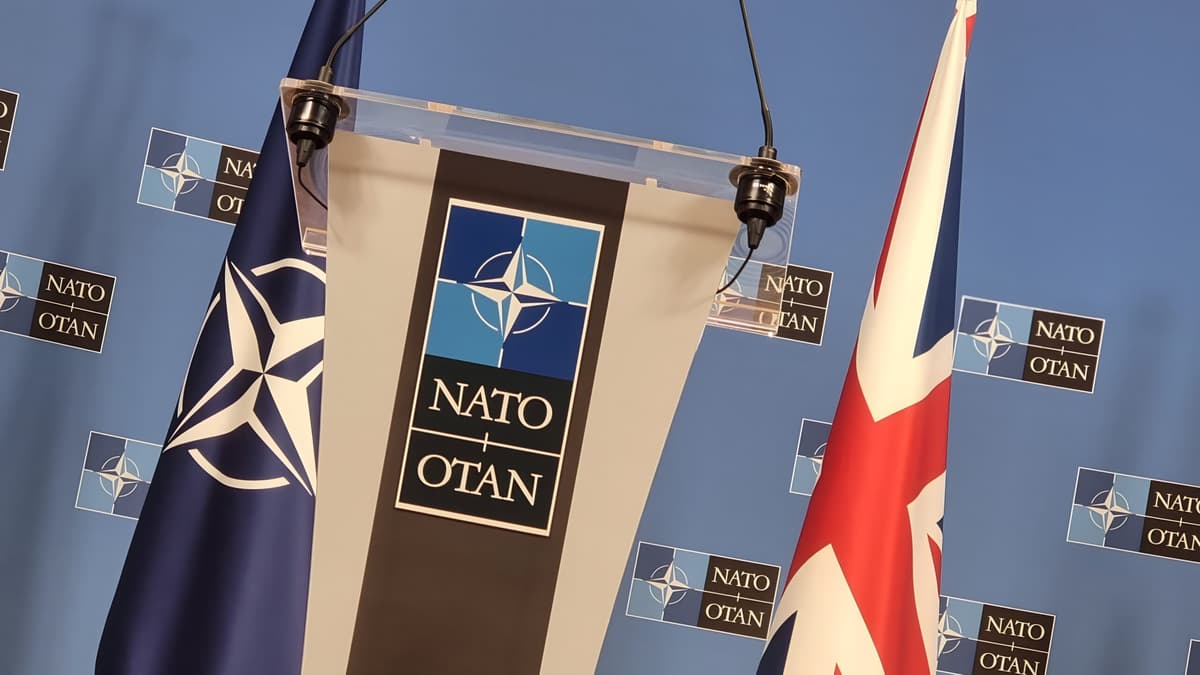
Labour MP Calls for NATO ‘Neighbourhood’ Model for Decisions
Key Takeaways
- •NATO consensus slows response to fast crises.
- •UK positioned to champion regional ‘neighbourhood’ model.
- •Russia could exploit decision‑making delays.
- •High‑North gap critical for anti‑submarine operations.
- •Small NATO groups could act faster than full alliance.
Pulse Analysis
NATO’s founding principle of unanimous decision‑making has long been praised for preserving alliance cohesion, but the speed of contemporary security crises is testing that framework. Recent Russian maneuvers in the Baltic and the Arctic demonstrate how hours, not days, can determine whether deterrence succeeds or fails. Critics argue that the requirement for all 31 members to sign off on every operation creates a procedural lag that adversaries can weaponise. As geopolitical flashpoints compress, the alliance faces mounting pressure to reconcile collective consent with operational agility.
In response, Labour MP Graeme Downie proposes a ‘neighbourhood’ model that delegates authority to the nations geographically closest to a conflict zone. Under this scheme, regional coalitions such as the Joint Expeditionary Force or a small NATO subset could initiate rapid actions without waiting for full‑alliance endorsement. Downie points to the United Kingdom’s advanced anti‑submarine assets—Astute‑class submarines, RAF Poseidon P‑8A aircraft, and joint patrols with Norway and the United States—as a natural fit for leading the High‑North initiative. Formalising such regional leadership would leverage existing capabilities while trimming decision‑making time.
If adopted, the neighbourhood approach could reshape NATO’s strategic culture, shifting from a monolithic command structure to a more modular, theatre‑focused posture. Faster response times would bolster deterrence against Russian aggression, particularly in the Baltic and Arctic where territorial ambiguities persist. However, delegating authority raises questions about command‑and‑control coherence and the risk of divergent national agendas. Policymakers will need to balance these concerns against the clear operational advantage of speed, a balance that could determine the alliance’s relevance in the next decade.
Labour MP calls for NATO ‘neighbourhood’ model for decisions


Comments
Want to join the conversation?