Labour MP Warns UK Exposed to Subsea Cable Threat
•February 23, 2026
0
Why It Matters
Undersea cables are the digital arteries of the UK economy, so any outage threatens national security, financial stability and essential services. Strengthening monitoring and deterrence is essential to preserve economic resilience.
Key Takeaways
- •98% of UK internet traffic relies on subsea cables
- •Potential attack could cripple mobile, banking, air traffic
- •Finland uses seabed sensors and AI for cable monitoring
- •Type‑26 frigates and P‑8 aircraft suggested for deterrence
- •International cooperation required due to global cable network
Pulse Analysis
The United Kingdom’s digital lifeline stretches across an estimated 745,000 miles of undersea fibre, a legacy that began with the first France link in 1851 and the trans‑Atlantic cable in 1865. Today, roughly 98% of the nation’s internet traffic flows through these submerged conduits, powering everything from hospital records to high‑frequency trading. Their ubiquity makes them a strategic asset, but also a single point of failure that could reverberate across the entire economy if compromised.
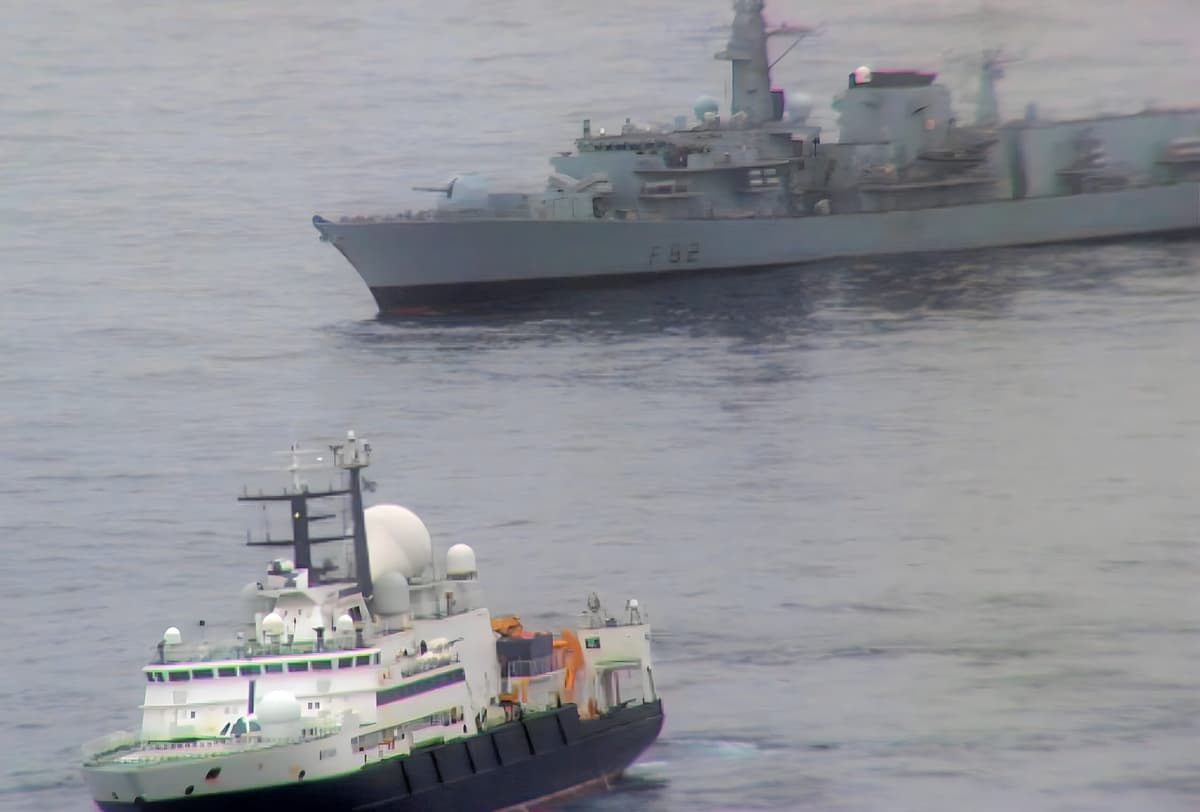
Recent intelligence highlights a growing threat environment. Patterns of Russian vessel activity near critical cable routes, combined with the ever‑present risk of accidental damage from fishing gear or natural wear, create a volatile mix. A limited disruption could cascade into mobile network outages, halted digital payments, stalled air‑traffic control systems and strained supply chains, echoing the scenario Downie described. The potential for a coordinated strike, while deemed unlikely, underscores the need for proactive risk mitigation rather than reactive crisis management.
Policymakers are now looking to technology and defence to shore up resilience. Finland’s deployment of seabed sensors and AI‑driven analytics offers a template for early‑warning detection of suspicious activity. In parallel, the Joint Committee recommends expanding the fleet of Type‑26 frigates and P‑8 maritime patrol aircraft to provide credible deterrence and rapid response. Crucially, protecting these cables demands a multinational approach, sharing monitoring data and coordinating repair efforts across allied navies. Investing in such capabilities not only safeguards the UK’s digital infrastructure but also reinforces broader economic and security objectives.
Labour MP warns UK exposed to subsea cable threat
0
Comments
Want to join the conversation?
Loading comments...