Key Takeaways
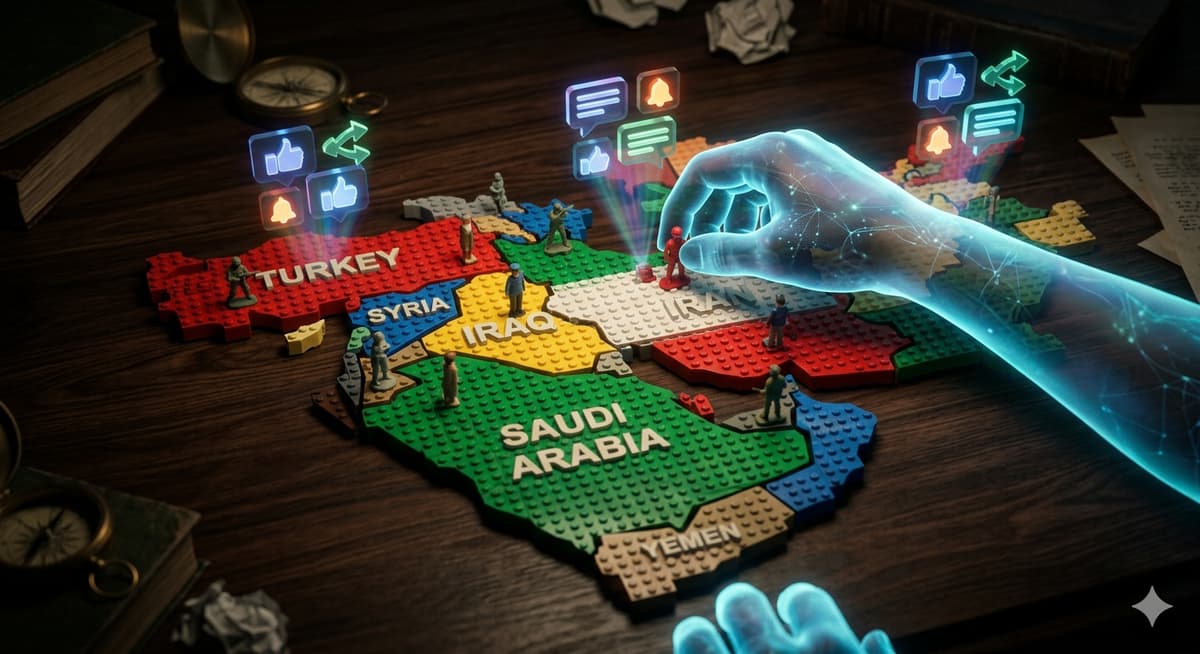
- •Explosive Media produced ~10 Lego‑style videos in 24‑hour cycles.
- •Videos mocked US leaders, cited Trump, Israel, and Epstein scandals.
- •Iranian embassies worldwide posted meme‑laden AI clips targeting US narratives.
- •Two pro‑Iran networks amassed over 1 billion X views in first month.
- •US Counter‑Information office dissolved 2025, limiting coordinated response.
Pulse Analysis
Iran’s information operations have evolved from traditional street chants to a high‑velocity digital campaign that leverages low‑budget animation and generative AI. The emergence of Explosive Media’s Lego‑style videos—produced in as little as 24 hours—illustrates Tehran’s ability to create shareable content that blends humor, political satire, and cultural references. By embedding familiar memes about Trump, Israel, and the Epstein case, the regime taps into existing American anxieties, amplifying its reach across platforms like X, TikTok, and Telegram. The rapid production cycle and thematic agility enable Tehran to respond instantly to unfolding events, keeping its narrative fresh and resonant.
The impact of this strategy is measurable. A study cited in The Economist reported that two pro‑Iran networks accumulated more than a billion views on X within the first month of the conflict, while mainstream outlets worldwide covered the videos as novelty pieces, inadvertently extending their audience. Despite YouTube’s removal of the Explosive Media channel in April 2026—likely influenced by U.S. diplomatic pressure—the content persists on other services, underscoring the difficulty of eradicating digital propaganda. Concurrently, the disbanding of the U.S. Counter‑Information Manipulation and Interference Office in 2025 has left American embassies scrambling for resources to counter these narratives, prompting cables from Bahrain, Indonesia, and Azerbaijan for a more proactive stance.
For policymakers, Iran’s adept use of meme warfare signals a broader shift in how state actors contest the information environment. The blend of low‑cost production, AI‑enhanced visuals, and culturally resonant messaging creates a potent tool that can sway public opinion and erode confidence in democratic institutions. Rebuilding a coordinated U.S. response will require reinvestment in digital literacy programs, partnerships with tech platforms, and a dedicated inter‑agency hub capable of rapid content analysis and counter‑messaging. As the line between entertainment and propaganda blurs, understanding and mitigating such influence operations will be essential to preserving strategic communication advantage.
Legos at War: Iranian Information Operations
Comments
Want to join the conversation?