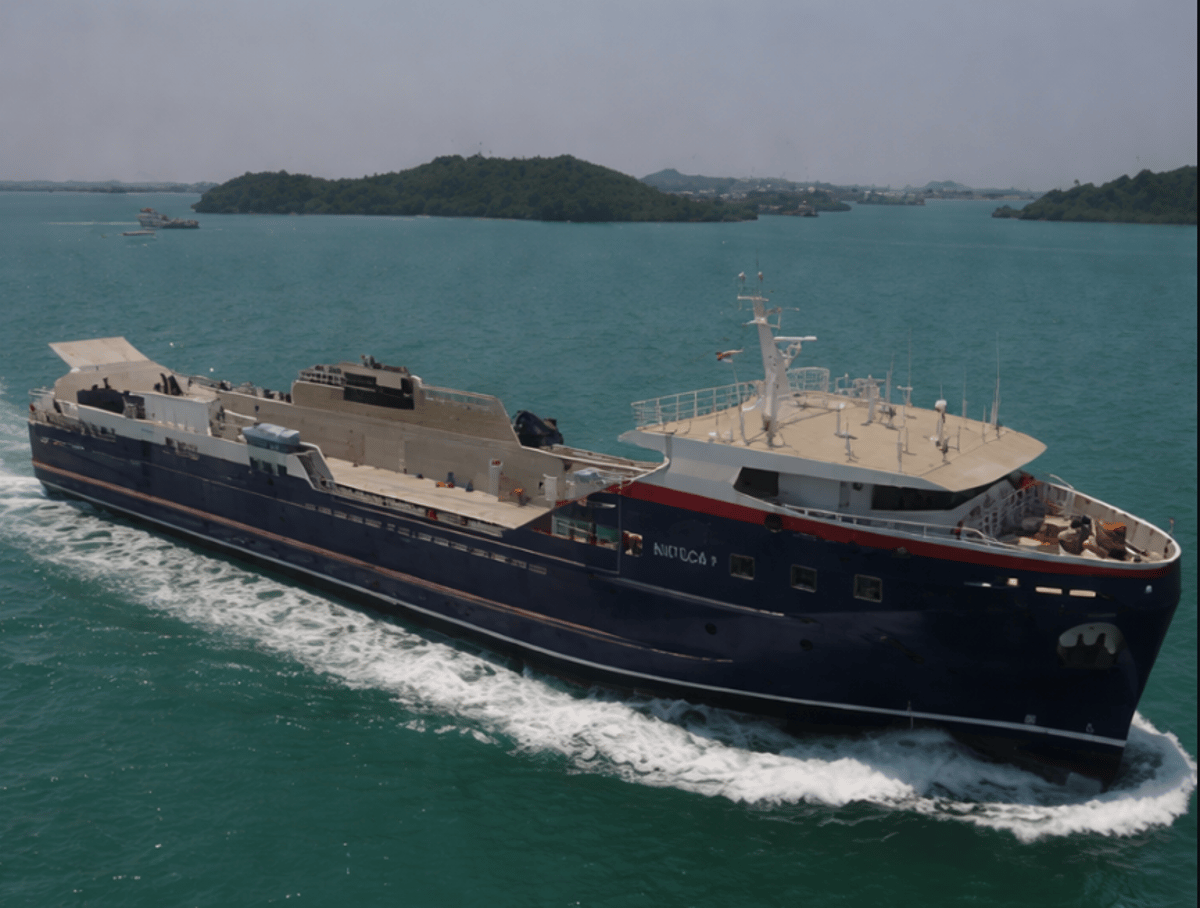
Lloyd’s Register Grants Approval for Hybrid Nuclear Vessel
•March 2, 2026
0
Why It Matters
The hybrid solution could reshape naval logistics by cutting fuel costs, extending mission endurance and supporting stricter maritime emissions targets.
Key Takeaways
- •Lloyd’s Register approves hybrid nuclear‑diesel concept
- •Designs: 73‑m and 90‑m amphibious stern landing vessels
- •MMR power 1.2‑2.6 MW integrated with diesel‑electric
- •Sea trials validated performance and safety assumptions
- •Unlimited range targets early 2030s commercial rollout
Pulse Analysis
The maritime industry is at a crossroads where traditional diesel propulsion meets the promise of nuclear power. Lloyd’s Register’s Approval in Principle signals a regulatory green light for integrating micro‑modular reactors (MMRs) into commercial vessels, a step that has long been confined to military applications. By partnering with Seatransport, the approval leverages over 25 years of operational experience in amphibious landing platforms, ensuring that the hybrid concept is grounded in real‑world performance data rather than speculative design.
Technically, the hybrid architecture couples 1.2‑2.6 MW MMRs with established diesel‑electric systems, delivering a flexible power mix that can switch between or combine sources as mission demands dictate. Sea trials on a 73‑metre stern landing vessel operating under conventional power validated key assumptions about weight distribution, thermal management, and control integration, providing a solid engineering foundation for the nuclear‑diesel blend. The result is a vessel capable of sustained, long‑range operations without the logistical burden of frequent refuelling, while also slashing carbon emissions and particulate output.
From a market perspective, the approval positions Lloyd’s Register and Seatransport as early movers in a niche that could expand rapidly as global shipping faces tightening environmental regulations. Anticipated commercial rollout in the early 2030s aligns with the industry’s push toward zero‑emission fleets, offering shipowners a pathway to meet IMO targets without sacrificing operational reach. Moreover, the technology’s applicability to remote or unprepared coastal sites opens new opportunities in humanitarian aid, offshore logistics, and defense support, potentially reshaping procurement strategies across multiple sectors.
Lloyd’s Register grants approval for hybrid nuclear vessel
0
Comments
Want to join the conversation?
Loading comments...